

Text reading 'Free PDF' displayed in bold white letters on a dark blue background, indicating access to a downloadable file.DOWNLOAD:    QUICK GUIDE TO INJECTING SEMAGLUTIDES  & TIRZEPATIDES

Guide-to-Self-Injecting-Medications: GLP-1 Needles and Syringes and Dosposal

Medically reviewed and updated for 2026
Dr. Richard Lipman MD
Board-Certified Internist and Endocrinologist

Guide to self-injecting medication like Semaglutides (Ozempic, Wegovy), Tirzepatides (Mounjaro, Zepbound), insulin, and even HCG hormone shows you how it is a critical skill for managing various health conditions, and in this case, losing weight. This instructional discussion will cover essential topics, including proper injection sites, safety measures, and selecting the appropriate needle and syringe size for subcutaneous administration. Subcutaneous injection means that the liquid medication is deposited just below the skin, but the above the muscle layer.

 Understanding Subcutaneous Injection of Smaglutides and Tirzepatides

Subcutaneous injections deliver medication into the fat layer just beneath the skin. This method ensures the drug is absorbed slowly and consistently. It is commonly used for hormones such as insulin and HCG, as well as for diabetes and weight-loss medications such as semaglutides and tirzepatides. Inject too deeply and you will hit a blood vessel in the highly vascular muscle, or be absorbed too quickly, which may cause bleeding beneath the skin. Too shallow, and it all remains in the skin and will be absorbed too slowly. Most of this discussion concerns the injection of compound medications, which are not supplied in single-use, automatic injectors.
Does it Matter Where I Inject Semaglutides and Tirzepatides?

However, according to Jana Abelovska, MPharm, a pharmacist who has studied injection sites at the U.K.-based Click Pharmacy, the injection site’s location shouldn’t affect effectiveness or side effects. “The active ingredient in Ozempic—semaglutide—will still work in the body in the same way, regardless of where it is injected,” Abelovska told reporters. Semaglutide can be safely administered in the upper arms, the abdomen, or the front of the thigh area with the same level of efficacy. It’s actually recommended that individuals rotate between these different injection sites, Abelovska explained.

Dr Abelovska goes on to say the reason that multiple locations are recommended for these injections is to reduce the amount of skin irritation users may experience if they are repeatedly injecting the same site,” she said. “Those using these injections should find the locations that are most comfortable for them, and interchange locations ideally each time they administer the injection.”
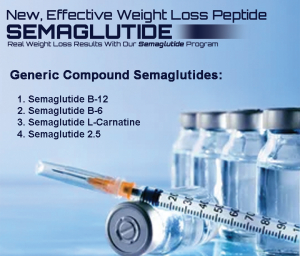
semaglutide vials and syringe, a single injection a week provides rapid weight loss

Compound Semaglutide vials and syringe
What is the Best Needle Size for Compound Semaglutide and Tirzepatide Injections

Selecting the right needle and syringe size is vital for effective and comfortable injections:

  • Needle Size: Typically, a 4-8 mm, 30-32 gauge needles are recommended for subcutaneous injections. The small diameter helps reduce discomfort, and its short size stops the injection from going too deep. Don’t be afraid to push the needle fully into the skin. The plastic hub prevents too deep penetration. Depositing too shallowly will put the medication into the skin area, slow absorption and raise up a large “bump” in the skin.
  • Syringe Size: The syringe size depends on the dose of your medication. Standard sizes range from 0.3 mL to 1 mL. Your healthcare provider will advise the best size based on your prescription. We prefer the 0.5ml size.

 Safe Injection Practices

Before injecting, ensure you:

  • Wash Hands: Always wash your hands thoroughly with soap and water.
  • Prepare Medication: Check the medication label, expiration date, and clarity. Do not use if cloudy or discolored unless specified by the medication guide.
  • Sanitize: Clean the injection site with an alcohol swab and let it air dry to minimize infection risk.

Best Injection Sites for GLP-1 Medications

Choosing an appropriate site is crucial for absorption and comfort.

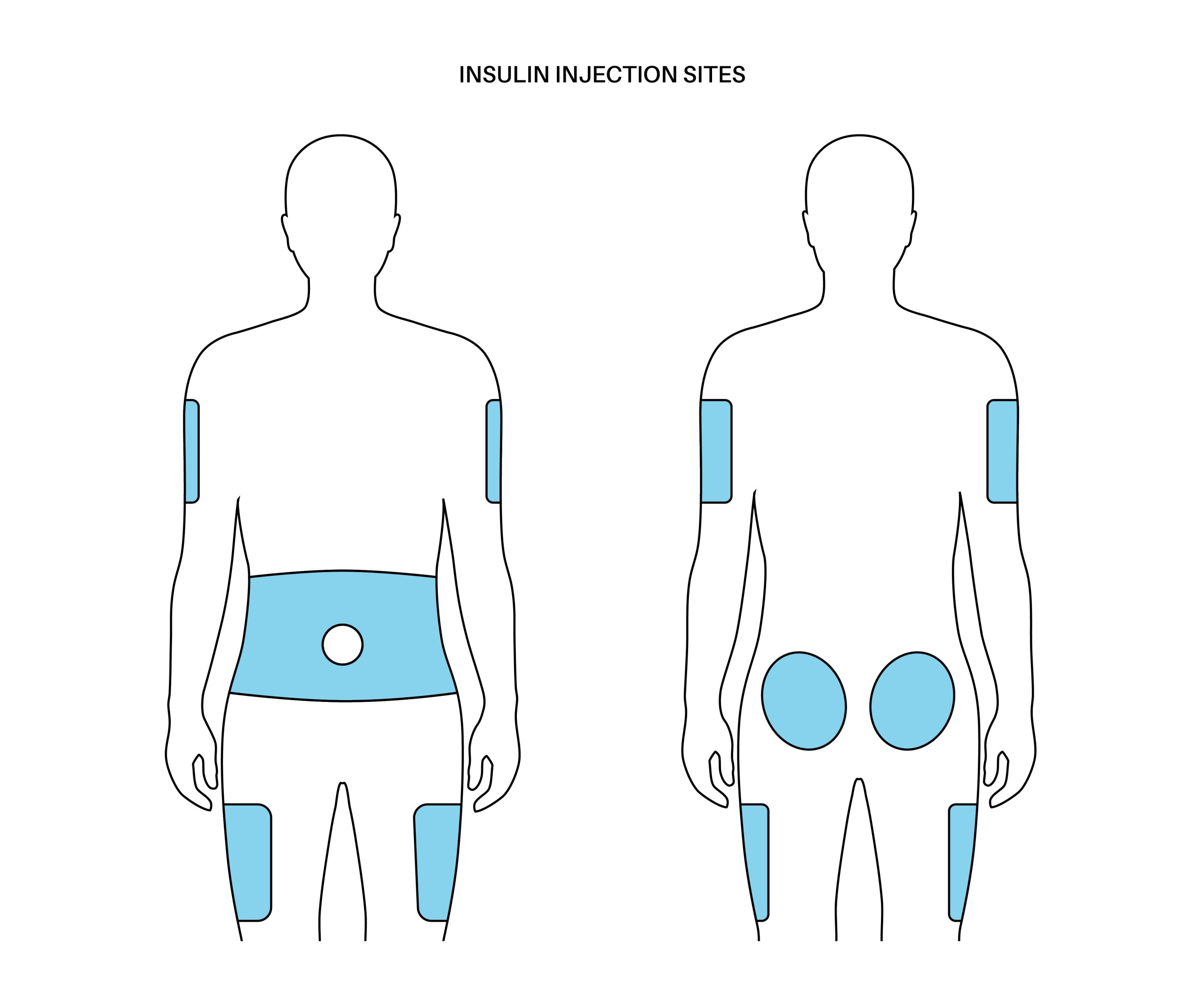
Injection sites for semaglutide weight loss weekly injectionss

Injection sites for weekly Semaglutide Weight Loss Injections

  • Abdomen: The preferred site for many injections. Avoid the two-inch area around the navel. Use a different spot each time to prevent tissue hardening.
  • Thighs: The upper, outer area is ideal. This site is especially convenient for self-injectors.
  • Arms: The back of the upper arms can be used if you have assistance, as it might be hard to reach by yourself.


 SELF Performing the GLP-1 Injection 

  • Step 1: Prepare the Injection Site. After sanitizing, let the area dry thoroughly to avoid stinging. For patients doing a lot of running or lifting weights such as in Brickell or Adventura its often better to avoid the thighs and arms.
  • Step 2: Pinch the Skin. Lightly pinch a 1-2-inch area of your skin to create a bulge. This technique ensures the needle penetrates the subcutaneous tissue rather than muscle.
  • Step 3: Insert the Needle. Hold the syringe like a pencil and insert the needle at a 45 to 90-degree angle with a swift, steady motion. The angle depends on your body size; thinner individuals might need a more acute angle.
  • Step 4: Inject the Medication. Once the needle is in place, release the pinched skin and press the plunger slowly and steadily until all the medication is injected.
  • Step 5: Withdraw the Needle. Pull the needle out quickly and apply gentle pressure with a cotton ball or gauze. Do not rub the area.
  • Monitor for Reactions:Check the injection site for excessive redness, swelling, or signs. Contact your healthcare provider if you experience unusual symptoms.

 Post-Injection Care and Disposal of GLP-1 Needles and Syringes 

Step 1: Place all needles and other sharps in a sharps disposal container immediately after they have been used.
This will reduce the risk of needlestick, cut, and puncture injuries from loose sharps. Sharps disposal containers should be kept out of reach of children and pets.

Note: Overfilling a sharps disposal container increases the risk of accidental needle-stick injury. When your sharps disposal container is about three-quarters (3/4) full, follow your community guidelines for getting rid of the container (Step 2, below).

Step 2: Dispose of used sharps disposal containers according to your community guidelines.

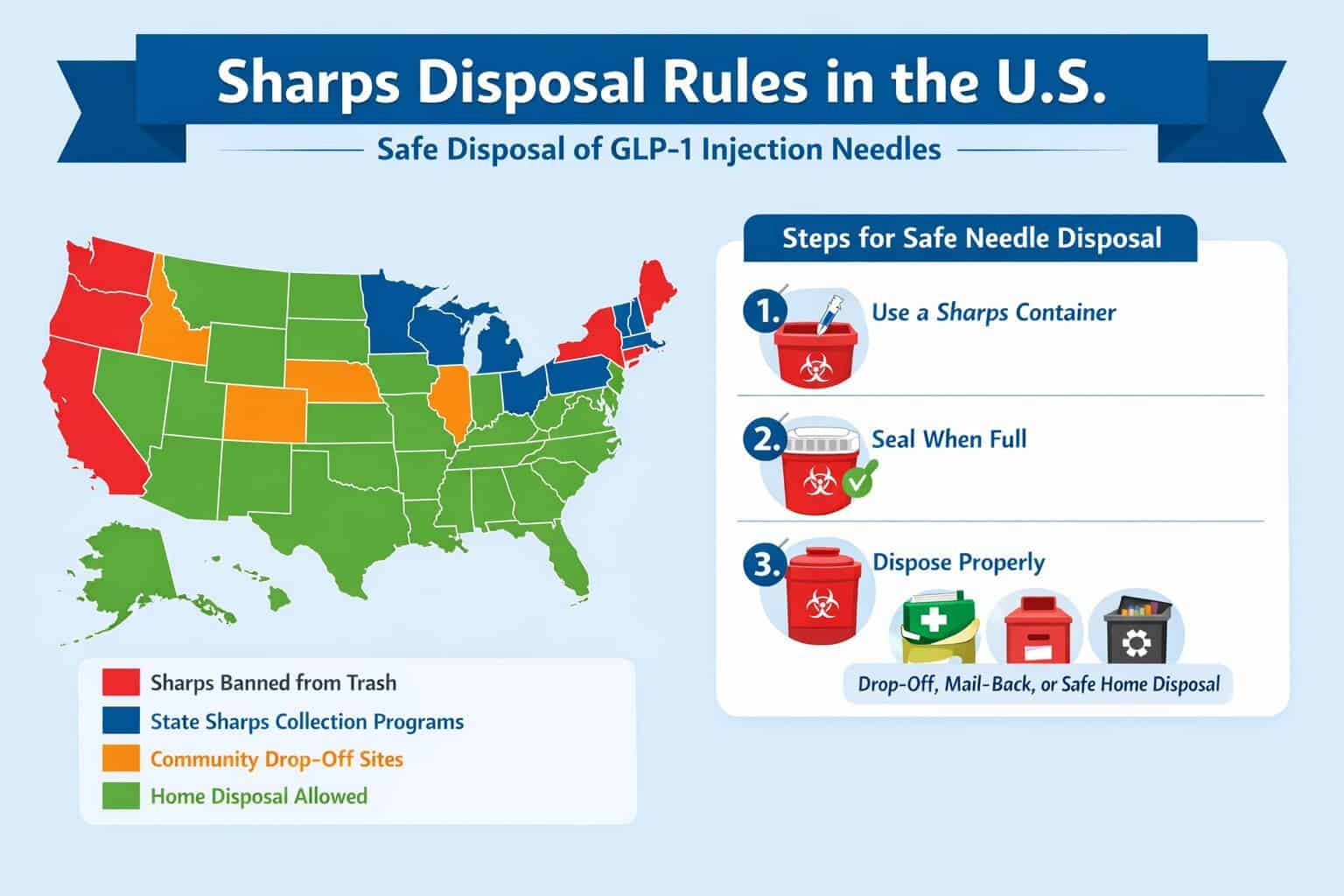
Sharps disposal guidelines and programs vary depending on where you live. Check with your local trash removal services or health department (listed in the city or county government (blue) pages in your phone book) to see which of the following disposal methods are available in your area:

Drop Box or Supervised Collection Sites

You may be able to drop off your sharps disposal containers at appropriate chosen collection sites, such as doctors’ offices, hospitals, pharmacies, health departments, medical waste facilities, and police or fire stations. Services may be free or have a nominal fee.

Household Hazardous Waste Collection Sites

You may be able to drop off your sharps disposal containers at local public household hazardous waste collection sites. These are sites that also commonly accept hazardous materials such as household cleaners, paints and motor oil.

Mail-Back Programs

You may be able to mail certain FDA-cleared sharps disposal containers to a collection site for proper disposal, usually for a fee. Fees vary, depending on the size of the container. Follow the container manufacturer’s instructions because mail-back programs may have specific requirements on how to label sharps disposal containers.

Residential Special Waste Pick-Up Services

Your community may provide special waste pick-up services that send trained special waste handlers to collect sharps disposal containers from your home. These services are typically fee-based and many have special requirements for the types of containers they will collect. Some programs require customers to call and request pick-ups, while other offer regular pick-up schedules.
For more information specific to your state, call Safe Needle Disposal at 1-800-643-1643 or e-mail info@safeneedledisposal.org. Information they can provide for your state includes:

  • types of sharps containers that can be used,
  • disposal programs in your area,
  • how to label your sharps disposal containers,
  • how to secure the lid of your sharps disposal container, and
  • whether sharps disposal containers can be thrown away in the common trash.

Additional Consumer Information


  • Monitor for Reactions:Check the injection site for excessive redness, swelling, or signs. Contact your healthcare provider if you experience unusual symptoms.

Conclusion

Self-injecting medication can seem daunting at first, but with proper technique and safety practices, it becomes manageable. Please always follow your healthcare provider’s instructions and contact them with any concerns about your injection routine. This self-care procedure is empowering and critical for your treatment and well-being.

Injection Brand Injections of Qsymia, Wegovy, Zepbound, and Mounjaro

These medications are available in pre-filled syringes, in boxes of 4 pens (each pen is used once, then discarded). The pen size is pre-picked for you as is the needle. Only
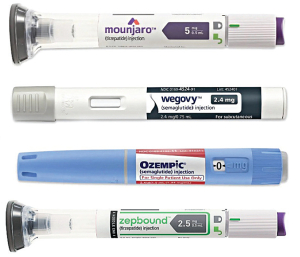
Zepbound, ozempic, mounjaro and wegovy pen injectors for weight loss

Eamples of 4 prefilled semaglutide or trizepatide once weekly weight loss pens.