



What Is the Keto Diet?
The Keto Diet is a low-carb, high-fat nutritional plan that shifts your body into ketosis – a natural state where you burn stored fat for energy instead of carbs.



Why Our Miami Keto Program Delivers Real Results
Dr. Lipman’s Miami Keto Program is built to make keto clear, practical, and medically guided. Instead of trying to guess your way through carb limits, protein goals, calories, and food choices, you get a structured plan designed around your body, your health history, and your weight-loss goals.


Doctor-Guided Keto Makes the Difference
Keto works best when it is personalized, measured, and medically supervised.
Dr. Lipman does not treat keto as an unlimited-fat diet. Your plan includes calorie targets, protein goals, net-carb limits, and fat intake that are adjusted for your age, height, activity level, metabolism, medical history, and weight-loss goals.

Real Benefits You’ll Experience
With the right structure and medical guidance, keto can help you experience meaningful changes in how you look, feel, and eat.


Why Most Keto Attempts Fail
And How We Fix It
What’s Included in the Keto Diet Program
Our program is designed to guide you step-by-step with medical oversight, personalized planning, and practical tools. You get the structure needed to start keto correctly, stay consistent, and adjust the plan as your weight, appetite, and progress change.

Medical Consultation
Customized Keto Meal Plan
Clear Keto Food Lists
Meal Templates & Mobile Tools
Building a Successful Keto Meal Plan
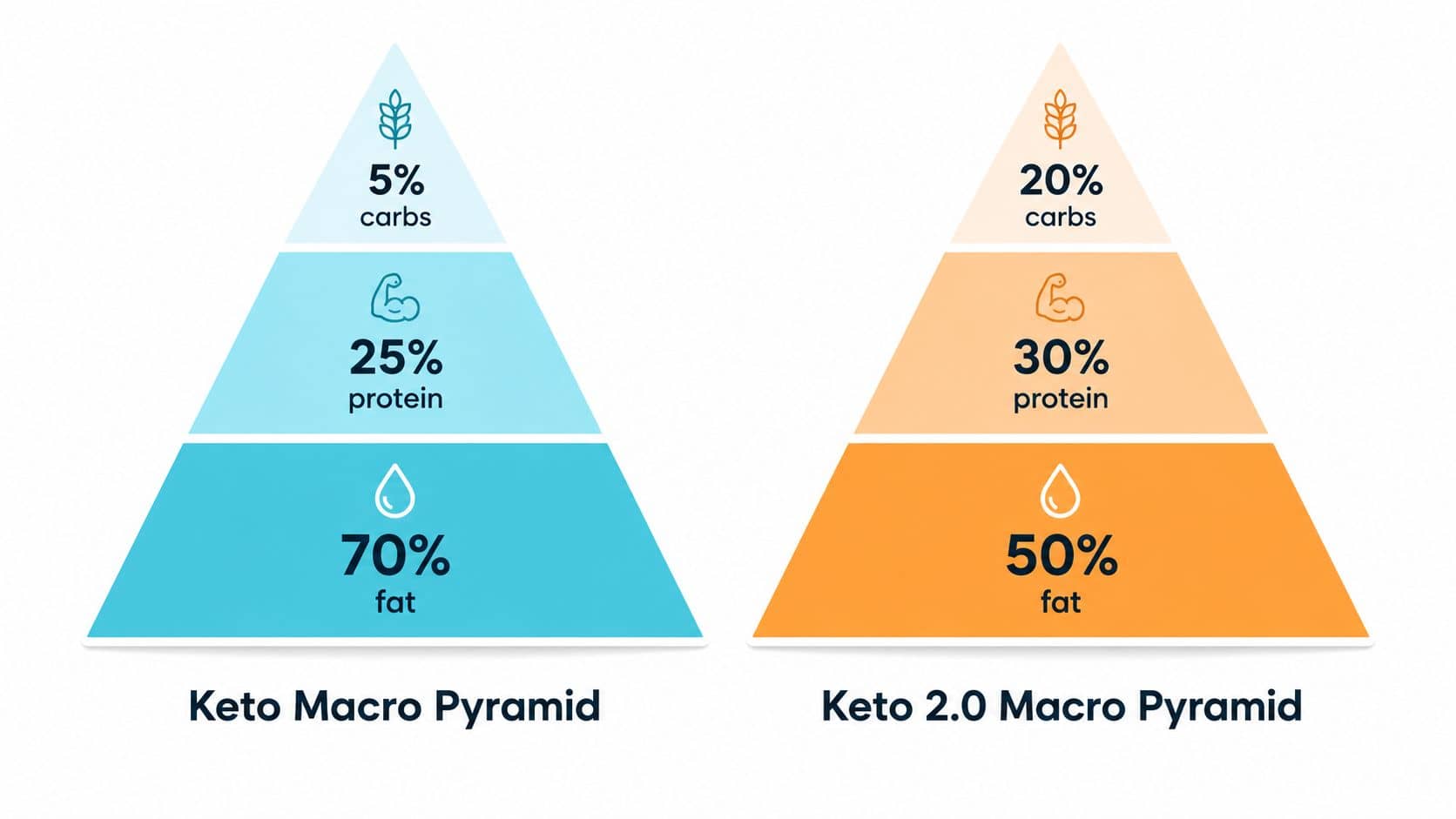
Macronutrients, often called “macros,” are the three nutrients your body needs most—carbohydrates, protein, and fat. One of the keys to successful ketosis is finding the right balance of these nutrients. Rather than relying on generic macro calculators or one-size-fits-all meal plans, Dr. Lipman develops personalized nutrition recommendations based on your medical history, metabolism, laboratory findings, thyroid function, activity level, and weight-loss goals.
A successful keto diet is about more than simply avoiding carbohydrates. Your plan includes individualized calorie and macro targets, practical daily menus, and easy-to-follow guidance that removes the guesswork from meal planning. Most patients are encouraged to limit net carbohydrates to approximately 20–25 grams per day to establish and maintain ketosis, although recommendations may be adjusted based on your individual health needs. Appetite suppressants may also be recommended when medically appropriate to help support your success.
Long-term results depend on making informed food choices every day. Dr. Lipman’s program teaches you how to read nutrition labels, identify hidden carbohydrates, calculate net carbs, and confidently choose keto-friendly foods whether you’re shopping, dining out, or preparing meals at home. Combined with meal planning tools and mobile app support, you’ll have everything you need to stay consistent and make keto part of your lifestyle—not just another diet.
Optimizing Your Keto Results
Once you have established a solid nutritional foundation, several additional strategies may help improve your results. While these tools are not required for success, they can make the transition into ketosis easier, improve consistency, and help some patients overcome weight-loss plateaus.
Intermittent Fasting
Many patients choose to combine the Keto Diet with intermittent fasting because the two approaches complement one another. Once your body becomes efficient at burning fat for fuel, extending the time between meals often becomes easier. Depending on your health, lifestyle, and goals, Dr. Lipman may recommend intermittent fasting as part of your personalized treatment plan.
Should You Take Keto Supplements?
Many patients ask about exogenous ketone supplements, including ketone salts and ketone esters. While these products may temporarily increase ketone levels, they do not replace a properly structured ketogenic diet and should not be viewed as shortcuts to weight loss. Dr. Lipman can help determine whether supplements have a meaningful role in your individual program.
Monitoring Your Progress
Successful keto is about more than watching the number on the scale. Learning to recognize the signs of ketosis and, when appropriate, monitoring ketone levels can provide valuable feedback during your weight-loss journey. Dr. Lipman helps patients understand what to monitor and when adjustments may be beneficial.
The Science Behind the Keto Diet
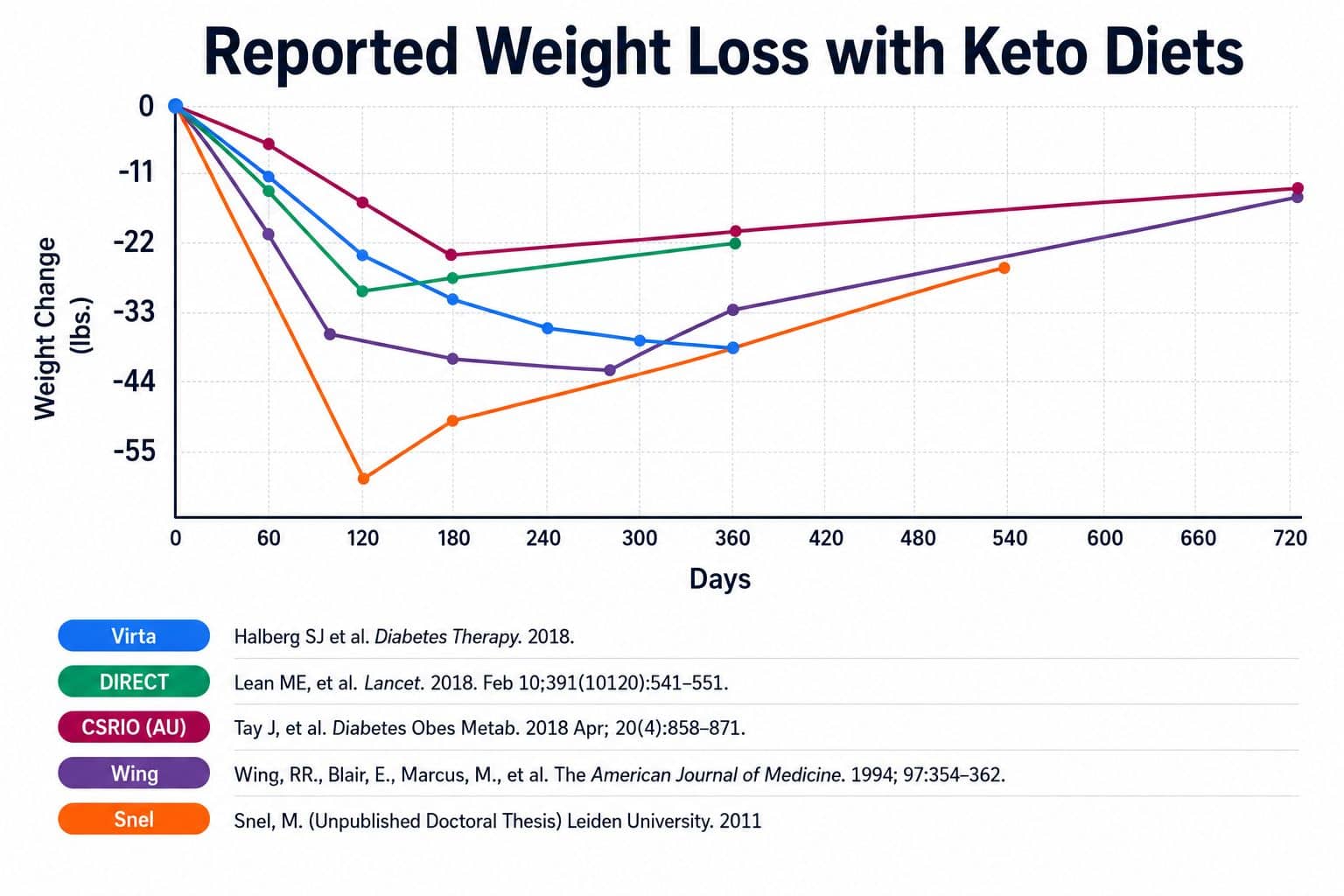
The Keto Diet works by changing the way your body produces energy. Instead of relying primarily on glucose from carbohydrates, your body gradually shifts toward burning stored fat for fuel. As carbohydrate intake falls, insulin levels decline, glycogen stores become depleted, and the liver begins converting fatty acids into ketone bodies, which can be used by the brain, muscles, and many other tissues for energy.
Ketosis, Ketones, and Fat Burning
Stored fat is broken down into fatty acids, which are then converted into ketone bodies. Ketones can help provide energy while reducing hunger. This improved appetite control is one of the reasons many patients find it easier to maintain a calorie deficit while following a well-designed ketogenic diet. Ketones can also be measured in urine, blood, or breath. Dr. Lipman may use this testing to help patients confirm whether they are truly staying in ketosis or whether hidden carbohydrates are interfering with progress.
Why Macros Must Be Personalized
While many online resources recommend standard keto macro ratios, there is no single formula that works for everyone. Factors such as age, body composition, activity level, medical conditions, thyroid function, medications, and weight-loss goals all influence the ideal nutritional approach. This is why Dr. Lipman develops individualized recommendations rather than relying on generic calculators or internet meal plans.
Protein, Fats, and Supplements
Protein helps maintain healthy tissue, supports muscle, and improves satiety. Healthy fats provide energy during ketosis, improve satiety, and help make the diet easier to sustain over time. Supplements are not required for every patient, but electrolytes, hydration, MCT oil, or ketone support may be helpful in selected cases, especially during the transition into ketosis. The goal is not to add unnecessary products; it is to make the plan easier, safer, and more sustainable.
Medical Supervision Matters
Patients with diabetes, thyroid disease, kidney problems, cardiovascular risk factors, or patients taking prescription medications should not treat keto as a casual do-it-yourself diet. Dr. Lipman reviews each patient’s medical profile and may adjust the program, recommend laboratory testing, or combine diet planning with FDA-approved weight-loss medication when appropriate. This physician-guided approach is what transforms the Keto Diet from a generic weight-loss trend into a personalized medical treatment plan designed to maximize results while protecting your health.
Frequently Asked Questions
Get answers to common questions about Dr. Lipman’s doctor-supervised keto diet program.
Testimonials
What Our Patients are Saying…
“After years of failed diets, Dr. Lipman’s personalized plan finally worked. Semaglutide gave me results, and his team kept me motivated throughout.”
“I lost 20+ pounds in 3 months thanks to the virtual program. It fit my routine perfectly, and Dr. Lipman’s guidance was always clear and helpful.”
“This wasn’t just weight loss—it was a mindset change. The care felt professional, human, and highly effective from start to finish.”
“After years of failed diets, Dr. Lipman’s personalized plan finally worked. Semaglutide gave me results, and his team kept me motivated throughout.”
“I lost 20+ pounds in 3 months thanks to the virtual program. It fit my routine perfectly, and Dr. Lipman’s guidance was always clear and helpful.”
“This wasn’t just weight loss—it was a mindset change. The care felt professional, human, and highly effective from start to finish.”
Start your Weight Loss Journey Today
Schedule your consultation with Dr. Lipman and discover how medical weight loss can help you achieve your health goals.