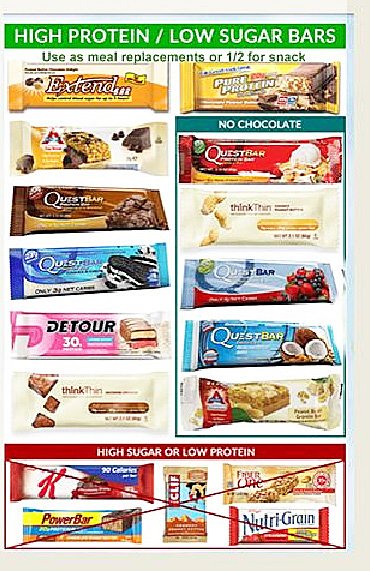
High Protein-Low Carb Bars Provide Fullness & Fast Weight Loss
High-protein, low-carbohydrate bars have become a popular choice for individuals aiming to lose weight and enhance their nutritional intake. These bars offer a convenient and effective way to increase protein consumption while minimizing carbohydrate intake, which can be beneficial for weight management and overall health. High protein (> 20 grams) provides fullness and satiety for hours at a time.
**The Role of High-Protein, Low-Carb Bars in Weight Loss**
Incorporating high-protein, low-carb bars into one’s diet can aid in weight loss through several mechanisms:
1. **Increased Satiety:** Protein is known to promote feelings of fullness more effectively than carbohydrates or fats. Consuming protein-rich snacks can reduce overall calorie intake by curbing hunger and decreasing the likelihood of overeating.
2. **Thermogenic Effect:** The digestion of protein requires more energy compared to other macronutrients, leading to a higher calorie burn during digestion. This thermogenic effect can contribute to a modest increase in daily energy expenditure.
3. **Muscle Preservation:** Adequate protein intake is crucial for preserving lean muscle mass during weight loss. Maintaining muscle mass is important because muscle tissue burns more calories at rest than fat tissue, supporting a higher metabolic rate.
**Nutritional Considerations**
When selecting high-protein, low-carb bars, it’s important to consider the following nutritional aspects:
– **Protein Content:** Aim for bars that provide at least 20 grams of protein per serving to ensure a substantial contribution to daily protein needs.
– **Sugar Content:** Choose bars with less than 10 grams of sugar to prevent excessive calorie intake and avoid spikes in blood sugar levels.
– **Caloric Value:** Opt for bars containing fewer than 170 calories to align with weight loss goals and prevent overconsumption.
**Recommended High-Protein, Low-Carb Bars**
Here are some bars that meet the criteria of providing more than 20 grams of protein, less than 10 grams of sugar, and fewer than 170 calories per serving:
1. **Pure Protein Bars**
– *Protein:* Approximately 20 grams per bar
– *Sugar:* Less than 2 grams
– *Calories:* Around 180 calories
– *Note:* These bars are low in added sugars and offer a variety of flavors.
2. **Quest Protein Bars**
– *Protein:* 20-21 grams per bar
– *Sugar:* 1 gram
– *Calories:* Approximately 180 calories
– *Note:* Known for their high fiber content and minimal sugar, these bars come in various flavors.
3. **Atlas Protein Bars**
– *Protein:* 20 grams per bar
– *Sugar:* 1 gram
– *Calories:* Around 210 calories
– *Note:* These bars are gluten-free and contain no added sugars, making them a suitable option for those monitoring sugar intake.
4. **EPIC Protein Bars**
– *Protein:* 13 grams per bar
– *Sugar:* 0 grams
– *Calories:* Approximately 150 calories
– *Note:* These meat-based bars are low in carbohydrates and sugars, offering a savory alternative to traditional protein bars.
High-protein, low-carb bars can be a valuable addition to a weight loss regimen
Providing convenience and aiding in appetite control high protein low carb bars are very helpful. However, it’s essential to choose bars that align with specific nutritional goals, particularly regarding protein, sugar, and calorie content. Incorporating these bars as part of a balanced diet, alongside regular physical activity.
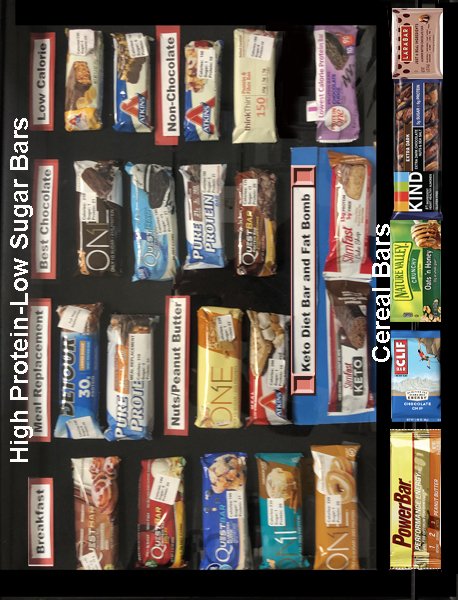
High Protein Low Carb Bars Provides FullnessHere are are many of the protein bars. The range from 90 calories per bar for the Protein One bar with 10 grams of sugar, to 200 calories for the Pure Protein Bar with 20 grams of protein and 2 grams of sugar.
Best High Protein Bars
Best High Protein Bars will have the most protein (> 20 grams), the least number of net carbs ( less than 10 grams) and the least amount of calories possible. Look for bars with 20 grams of protein and 1-2 grams of sugar or less. Avoid “cereal type bars.”