
GLP-1 Weight Loss Calculator Center: Ideal Body Weight, Fat Loss
by Dr Richard Lipman M.D.
Board Certified Internal Medicine? Endocrinology
Reviewed and Revised April 4, 2026
- BMI Calculator
- BMR Calculator
- RMR Calculator
- Calories burned during exercise.
- Percentage body fat
- Ideal body weight
Weight Loss, Ideal Body Weight, and Fitness Calculators offer the most effective tools for weight management and overall health. We are proud to introduce our comprehensive suite of fitness, weight loss, and health calculators. These tools are designed to enhance your understanding of your body’s needs and help you tailor your weight loss strategy more effectively. The Ideal Body Weight Calculator below gives you an estimate of what you should weigh compared to other people of your age, frame, height, and gender. It combines 5 calculators into one overall estimate. It answers that nagging question….: What Should I Really Weigh?
BMI Calculators(Body Mass Index):
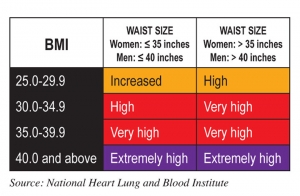
BMI, or Body Mass Index, is a widely used measure to categorize
ideal weight its available in a table or calculator:

Dividing a person’s weight in kilograms by the square of their height in meters. Is BMI accurate for everyone?
BMI is a useful screening tool, but it does not account for muscle mass. It should be used alongside other measurements like body fat percentage and waist circumference.
Knowing your BMI can help assess risk, set goals:
– **Underweight:** BMI less than 18.5
– **Normal weight:** BMI 18.5 to 24.9
– **Overweight:** BMI 25 to 29.9
– **Obesity:** BMI 30 or greater
BMR Calculator Calories to perform life activities:
BMR (basal metabolic rate) represents the number of calories your body needs to perform basic life-sustaining functions such as breathing, circulation, cell production, nutrient processing, and temperature regulation, while at rest. Here’s how understanding and using BMR can be valuable in a weight loss context:
1. Personalized Calorie Needs; Caloric Deficit Calculation: Knowing your BMR helps in accurately calculating the calorie deficit needed for weight loss. By understanding how many calories your body burns at rest, you can better plan how many calories to consume and burn through activity to achieve a sustainable and effective calorie deficit.
2. Tailored Nutrition Plans: BMR provides a baseline from which daily energy needs are calculated, considering your activity level.
3. Monitoring Metabolic Changes:
- Adjustments Over Time: As you lose weight, your BMR typically decreases because a smaller body requires fewer calories to maintain. Regularly updating your BMR as you lose weight can help adjust your diet and exercise plans to accommodate these changes, ensuring continued weight loss.
- Impact of Muscle Mass: Since muscle tissue burns more calories than fat tissue, increases in muscle mass can raise your BMR. Programs focused on building muscle as part of weight loss can benefit from periodic BMR measurements to reflect changes in muscle composition.
- Predicting Weight Loss Plateaus: By tracking changes in BMR, you can anticipate and plan for potential plateaus in weight loss. This foresight allows for proactive adjustments in diet and exercise routines before significant stalls in progress occur. See the BMR Calculator below:
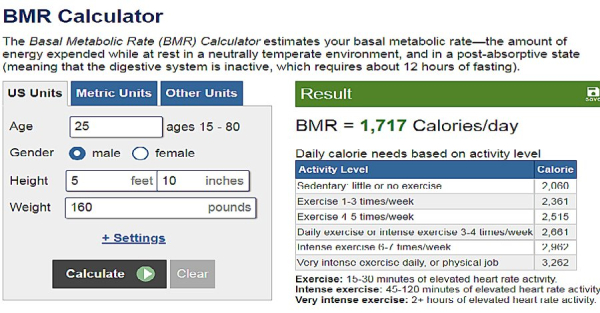
BMR calculator: shows number of calories needed for activities.
RMR Calculator: measures the amount of calories for maintenance of the body at rest.
Resting Metabolic Rate (RMR)
The Resting Metabolic Rate (RMR) is closely related to the basal metabolic rate (BMR) and it is the amount of energy required to maintain the body’s normal metabolic activity, such as respiration, maintenance of body temperature (thermogenesis), and digestion with no additional activity. The energy consumed is sufficient only for the functioning of the vital organs such as the heart, lungs, nervous system, kidneys etc.
BMR (Basal Metabolic Rate) vs. RMR (Resting Metabolic Rate)
Both measure calories burned at rest, but differ in strictness. BMR is the absolute minimum energy for basic life functions, measured after 12+ hours of fasting in a dark room. RMR is a practical, similar measurement taken under less restrictive conditions (after sleeping, not fasting). RMR is usually 5–10% higher than BMR.
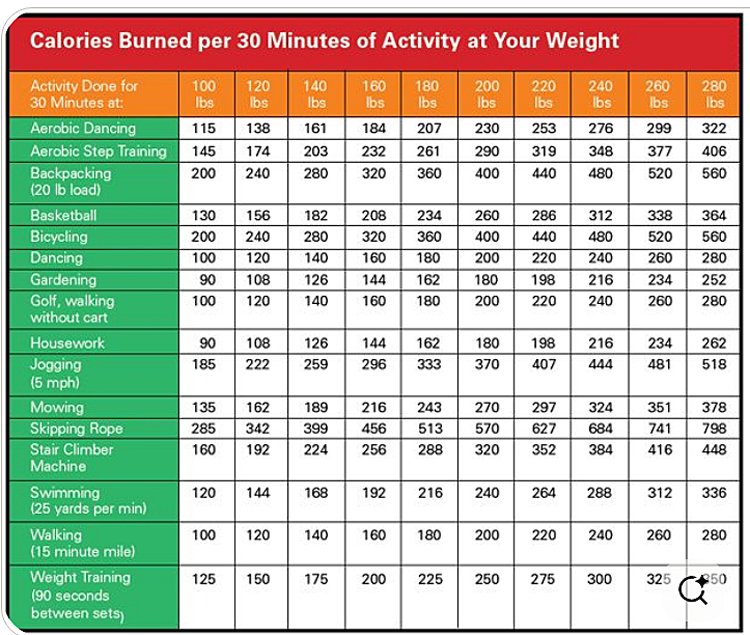
Calories Burned During Activity Calculator
Using a calorie-counting calculator during an exercise program for weight loss can significantly enhance the effectiveness of your fitness efforts. Here’s a closer look at the many values it brings:
1. Accurate Caloric Expenditure Estimation
One of the primary benefits of using a calorie-counting calculator during exercise is the ability to accurately estimate the number of calories burned during various physical activities and thus adjust caloric intake to maximize weight loss.
2. Optimizes Workout Efficiency
By knowing how many calories different exercises burn, you can tailor your workout routine to maximize efficiency. For instance, if your goal is to burn 500 calories per session, a calculator can help you design a combination of activities that achieve this target within your available time.
3. Encourages Consistency and Accountability
Using a calculator to track calories burned during exercise sessions provides a tangible measurement of your effort and progress.
4. Helps in Goal Setting
A calorie-counting calculator aids in setting realistic and specific fitness goals based on caloric burn. Whether you aim to gradually increase your exercise intensity or maintain a consistent burn rate.
5. Long-Term Lifestyle Adaptation
Regular use of a calorie-counting calculator during exercise helps cultivate a habit of being mindful about physical activity and its role in energy balance.
Percent Body Fat Calculator:
Using a body fat calculator in a weight loss program offers several valuable benefits that go beyond simple weight management. Understanding body composition—specifically body fat percentage—is crucial for assessing health and planning effective weight loss strategies. Here’s how a body fat calculator adds value to a weight loss program:
1. Accurate Assessment of Body Composition
Weight alone is not a reliable indicator of overall health or fitness because it doesn’t distinguish between pounds that come from fat and those that come from lean tissue, like muscle. A body fat calculator helps you understand the ratio of fat to muscle, providing a more accurate picture of your health than standard scales.
2. Tailored Weight Loss Goals
Knowing your body fat percentage can help tailor your weight loss goals more precisely. For instance, if you have a higher body fat percentage, your focus might be more on fat loss rather than just weight loss. This can guide your dietary choices and exercise plans to target fat reduction while preserving or increasing muscle mass.
3. Monitors Progress Effectively
A body fat calculator allows you to track changes in your body composition as you progress through your weight loss program. This is especially motivating for those who may not see a drastic weight change but are losing fat and gaining muscle, which is a healthier and more sustainable improvement.
4. Prevents Misleading Interpretations of Weight
For individuals involved in heavy strength training or those with large muscle mass, weight might not accurately reflect health or fitness. A body fat calculator provides a clearer assessment, preventing discouragement from misleading weight plateaus or increases due to muscle gain.
5. Provides Motivation Through Tangible Metrics
Seeing tangible changes in body fat percentage can be incredibly motivating. It’s a concrete measure of improvement that can keep individuals committed to their weight loss plans, especially when they might not see significant changes on the scale.
Incorporating a body fat calculator into a weight loss program enriches the strategy by providing crucial insights into body composition. This tool supports more informed decisions, better-targeted health strategies, and a deeper understanding of personal fitness and well-being.
Ideal Body Weight Calculators: What Should I Really Weigh
The master of all calculators. These tools provide an estimate of the appropriate weight range based on factors such as height, age, gender, and body frame. They can play a significant role in weight loss programs by helping to set targets and guide dietary and exercise plans. Here’s a closer look at the role of an ideal weight calculator in a weight loss program:
1. Goal Setting and Realistic Targets
Realistic Targets: Ideal weight calculators help individuals set realistic weight loss targets by providing a specific goal based on personal metrics. This can be motivating and can help individuals focus their efforts on achievable outcomes. By knowing the ideal weight range, professionals can tailor weight loss programs that are specific to the individual’s needs, increasing the likelihood of success.
2. Health Assessment
1. Risk Evaluation: The calculated ideal weight often correlates with a range that minimizes the risk of various health issues such as cardiovascular diseases, Monitoring Progress: Regularly comparing current weight against the ideal weight can help assess the progress of the weight loss program and adjust strategies as needed.
2..Nutritional Guidance
3. Dietary Adjustments:** Understanding the ideal weight can help dietitians and nutritionists recommend calorie intake and macronutrient distribution that align with weight loss goals. It ensures that dietary plans are not just about losing weight but reaching a healthy weight.
4. Motivation and Psychological Benefits
1. Motivational Tool: Having a clear, personalized ideal weight goal can be a strong motivational tool. It provides a concrete figure to aim for, which can be encouraging and help maintain focus on the weight loss journey.
2. Setting Expectations: It helps in setting realistic expectations and reduces the risk of disappointment from setting unachievable goals, thereby supporting sustained effort and long-term commitment.
Overall, ideal weight calculators are useful in the initial planning and ongoing management of weight loss programs. They help in setting foundations for realistic goal-setting, creating personalized plans, and motivating individuals throughout their weight loss journey.
Daily Food/Beverage Intake Calculators:
Calorie Intake Calculator: There are numerous strategies for weight loss, and no single approach is universally ideal. The variety of diets and exercise plans reflects this, with different methods working better for different individuals. Not all weight loss strategies are created equal, and research indicates that some are healthier than others. Counting calories is a widely recognized effective method, where consuming fewer calories than expended typically results in weight loss, and consuming more results in weight gain. This Calorie Calculator is used to calculate the number of calories needed for weight management, including weight maintenance and weight loss. It also provides the individual calories of hundreds of foods and drinks.
Carb Intake Calculator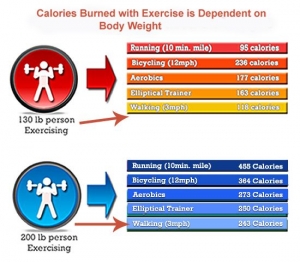
A carb-counting calculator is a useful tool for managing dietary intake, especially in a weight loss program where monitoring carbohydrate intake is crucial. Here’s how it can be effectively used:
1. Assessment of Daily Carb Needs: First, the calculator helps determine the daily carbohydrate needs based on factors like age, gender, weight, height, activity level, and weight loss goals. This is essential for setting a personalized carb limit.
2. Meal Planning: The carb content of hundreds of foods can help you plan meals that fit within your daily carb allowance. This is particularly helpful for maintaining a balanced diet while still enjoying a variety of foods.
4. Blood Sugar Management: For those on a weight loss program who also need to manage blood sugar levels (like individuals with diabetes), a carb counting calculator can help keep blood sugar within target ranges by managing carb intake.
Fat and Protein Intake Calculators
They play pivotal roles in designing effective weight loss programs by helping tailor dietary plans that support both health and weight management goals. Here’s how these calculators can benefit those looking to lose weight:
Fat Intake Calculators:
1. Optimal Fat Consumption: These calculators help determine the right amount of fat intake, which is crucial for maintaining good health while losing weight. Fats are essential for nutrient absorption, hormone production, and cell function.
2. Balancing Macronutrients: By calculating how much fat to consume, individuals can balance their macronutrient distribution. This balance is important to avoid excessive carb or protein intake, which can be counterproductive in weight loss.
3. Satiety and Flavor: Fats are satiating and add flavor to foods, which can make a diet more enjoyable and sustainable. A calculator helps ensure you get enough fat to feel satisfied, reducing the likelihood of overeating.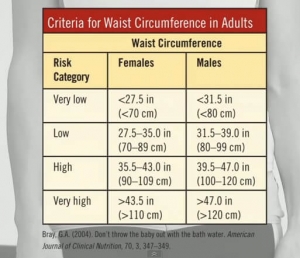
Protein Intake Calculators:
1. Lean Muscle Maintenance: Protein is vital for preserving lean muscle mass during weight loss. Protein intake calculators help ensure you consume enough protein to maintain muscle, even as you reduce calories. Ideal protein over the day should be 100grams or more.
2. Increased Metabolism: Consuming adequate protein can increase the thermic effect of food (TEF), meaning more calories are burned in the digestion, absorption, and distribution of nutrients, contributing to weight loss.
3. Appetite Control: Protein is highly satiating, which can help control appetite and reduce overall calorie intake. Knowing how much protein to consume can aid in managing hunger and preventing overeating. Look for 10 grams of protein per portion or more.
4. Personalization: Everyone’s protein needs are different based on factors like age, gender, activity level, and weight loss goals. Protein calculators provide a personalized approach to determining these needs, making dietary adjustments more effective.
Value of Using Weight Loss, Health, and Fitness Calculators
Each of these calculators is user-friendly, designed to be accessible whether you are tech-savvy or new to online health tools. They can be used individually or together to provide a comprehensive picture of your health and help you make informed decisions about your diet and fitness regime.
By incorporating these calculators into your weight loss program, you will gain precise insights into your nutritional needs, set realistic goals, and track your progress with accuracy. These tools are more than just numbers—they are an integral part of a proactive approach to health and fitness.