Mounjaro: GLP-1 Best Used for the Overweight or Obese Diabetic 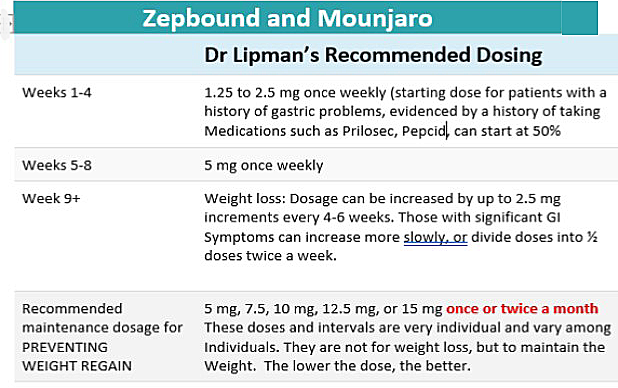
by Dr Richard Lipman M.D. Endocrinologist:
Written and Updated on October 25, 2025
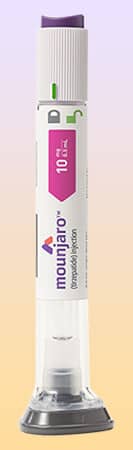
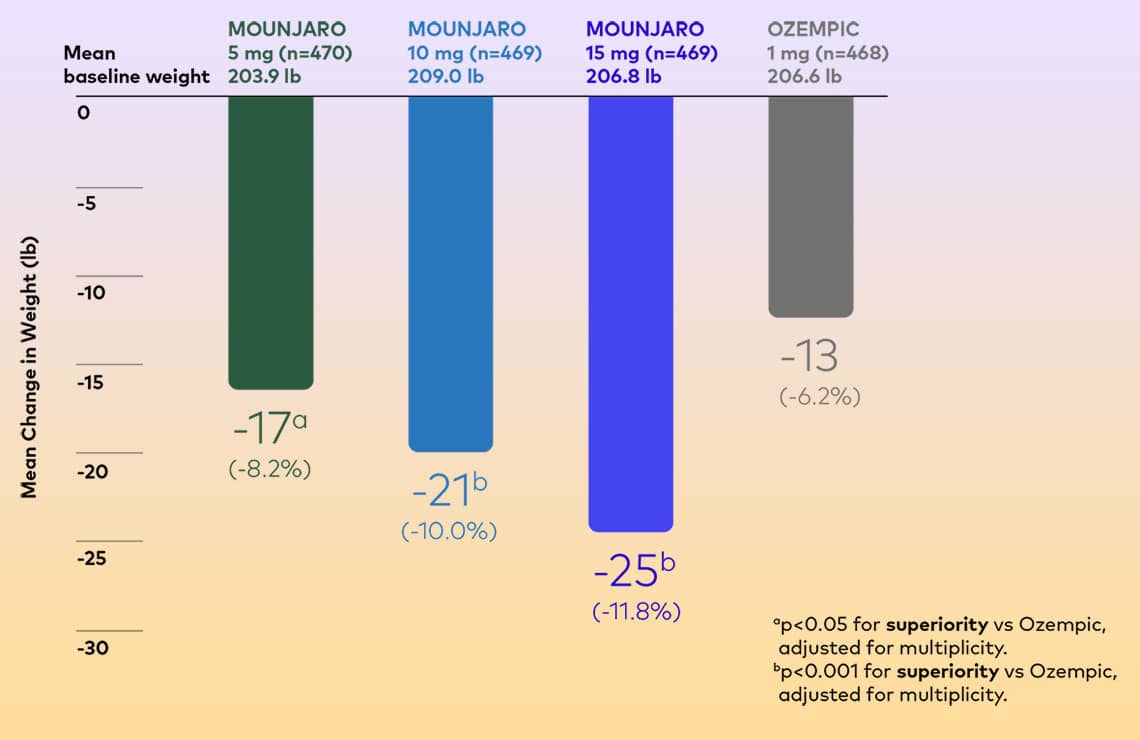
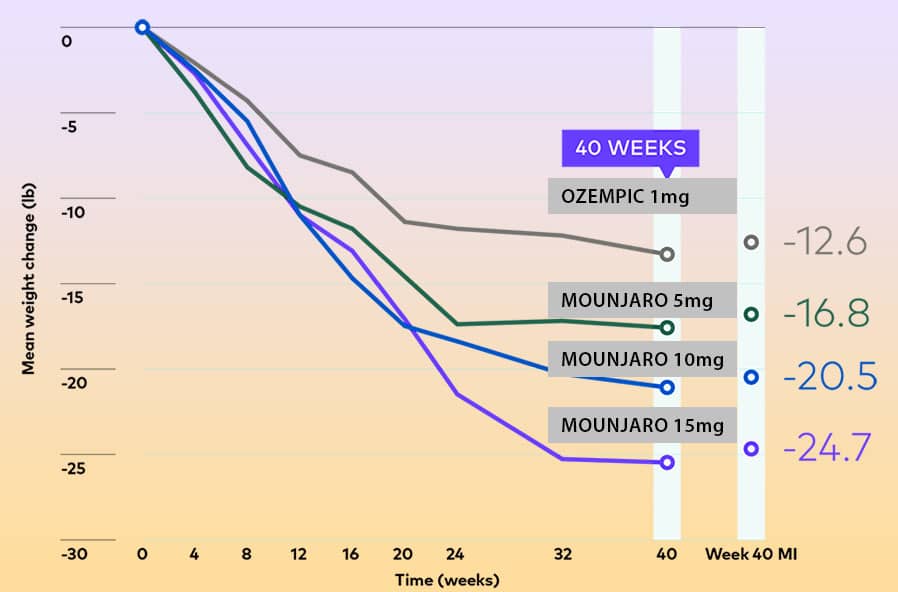
Mounjaro is the GLP- 1 best used to treat the overweight or obese diabetic. Ozempic and Mounjaro are both incretin mimetics, however they do have some differences. Mounjaro affects GIP and GLP-1 receptors, while Ozempic affects GLP-1 receptors only. They are both prescription medicines that a doctor or pharmacist must prescribe. When you use Mounjaro, you can expect to lose an average of 17-25% of your starting weight. Weight loss with Ozempic is generally 15-20% of the starting weight. Glycemic control with Mounjaro is as effective as the weight loss.
How Does Mounjaro Compare with Other Diabetes Medicines?
Mounjaro (tirzepatide) – Eli Lilly compares favorably to other GLP-1 agonists and might even be better for weight loss than other diabetes treatments.
Ozempic (semaglutide) – Novo Nordisk is a GLP-1 agonist used to improve glucose levels in adults with type 2 diabetes, prediabetes, and insulin resistance.
Wegovy (semaglutide) – Novo Nordisk is a GLP-1 agonist approved for the treatment of obesity and is one of 6 medications approved by the Food and Drug Administration for this purpose.
Rebelsus (oral semaglutide) – Novo Nordisk is a GLP-1 agonist taken once daily. It can be taken by adults for glucose management and weight loss.
Adlyxin (lixisenatide) – Sanofi is a GLP-1 agonist that is used to control blood glucose in adults with type 2 diabetes.
Bydureon BCise (exenatide extended-release) – AstraZeneca is a GLP-1 agonist that can be used for glucose control in type 2 diabetics 10 years old and up. It should be used with diet and exercise supervised by a healthcare provider.
Byetta (exenatide) – AstraZeneca is a GLP-1 agonist that is short-acting and can be used with other oral diabetes therapies.
Saxenda (liraglutide) – Novo Nordisk is a GLP-1 agonist that is prescribed for weight loss for people with weight-related medical issues. It is used under the supervision of a healthcare provider in conjunction with diet and exercise.
Trulicity (dulaglutide) – Eli Lilly is a GLP-1 agonist approved by the FDA for glycemic control.
Victoza (liraglutide) – Novo Nordisk is a GLP-1 agonist used with diet and exercise to reduce A1C and reduce the risk of cardiovascular events.
Mounjaro Doses in 6 Doses for Easy Control of Glucose and Weight!
Mounjaro Dose for Weight Loss
It is recommended that you start with 2.5 mg to watch for an allergic reaction or serious side effects. The dose is increased every four weeks as follows: 2.5 mg, 5 mg once weekly, 7.5 mg once weekly, 10 mg once weekly, 12.5 mg once weekly, and 15 mg once weekly. The maximum dose is 15 mg.
Mounjaro Dose for Diabetes
It is recommended to start with 2.5 mg for the first four weeks to make sure you do not experience an allergic reaction, and then increase to 5 mg for the next four weeks. If your healthcare provider feels you need greater glycemic control, the amount can be increased in 2.5 mg increments for four weeks at a time. The maximum dose is 15 mg.
How Often Do You Take Mounjaro?
Use Mounjaro once weekly; the time of day is flexible. If you want to change your dose day, it important to ensure that there are at least 3 days between doses. You don’t want to take too much Mounjaro. If you take too much Mounjaro, seek medical help immediately. In the event of a missed dose, use Mounjaro within 4 days after the missed dose. After 4 days have passed, skip that dose and take the next dose on your scheduled day.
Where Is the Best Place to Inject Mounjaro?
You can choose your injection sites but should vary your injection site with each dose. It is recommended that you inject Mounjaro in your thigh, stomach, or in the back of your upper arm.
What Are the Side Effects of Mounjaro?
Common side effects of Mounjaro include the following:
- Nausea
- Diarrhea
- Decreased appetite
- Vomiting
- Constipation
- Indigestion
- Stomach pain
As with any prescription medication, serious allergic reactions are possible. If you experience an allergic reaction, or symptoms such as difficulty breathing, trouble swallowing, swelling in the face or tongue, rapid heartbeat, severe rash or itching, dizziness, or fainting, contact a healthcare provider immediately.
Serious side effects are less common and can include:
- Pancreatic inflammation (pancreatitis)
- Low blood sugar (hypoglycemia)
- Kidney problems
- Stomach problems
- Severe abdominal pain
- Blurred vision
- Gallbladder problems
Should I Be Concerned About Thyroid Cancer with Mounjaro?
Thyroid cancer has appeared in animal studies of Mounjaro. Do not use Mounjaro if you or any family member has had medullary thyroid carcinoma, a type of cancer caused by thyroid c-cell tumors, or any other form of thyroid cancer, such as multiple endocrine neoplasia syndrome type 2 (MEN-2). While there have not been any reported cases of thyroid tumors or thyroid cancer in humans, the results of clinical trials with animals warrant caution.
Are There Any Drug Interactions with Mounjaro?
Yes, there are drug interactions with Mounjaro. You should not mix insulin with Mounjaro in the same injection. Taking insulin or insulin glargine could mask hypoglycemic symptoms when taken with Mounjaro. Birth control pills may not be as effective if you use Mounjaro. In total, there are 248 medications that might interact with this drug.
Always tell your healthcare provider about all prescription medications you are taking, as well as over-the-counter drugs, vitamins, and herbal supplements. Do not start taking another medication without first consulting your doctor. If you begin taking another drug or suppliment, alert your healthcare provider immediately if you have trouble breathing, trouble swallowing, or have any other signs of serious allergic reaction, kidney problems, gallbladder problems, or severe stomach pain.
Who Should Not Take Mounjaro?
Do not take Moujaro if you have any of the following conditions.
- You or any of your family have ever had medullary thyroid carcinoma (MTC), a type of thyroid cancer
- Multiple endocrine neoplasia syndrome type 2 (MEN-2)
- Allergic reaction to tirzepatide or any of the ingredients in Moujaro
- Kidney failure
- Diabetic retinopathy
- Type 1 Diabetes
Tell your doctor if you are breast feeding, pregnant, or plan to become pregnant as it is not yet known whether Mounjaro will harm your unborn baby or be passed into breast milk. Always tell your healthcare provider about any health conditions you have, family medical history – especially history of thyroid cancer, any allergies you have, or if you have experienced serious allergic reaction to Mounjaro or any of its ingredients.
What Are Some Frequently Asked Questions about Mounjaro?
How do I get a prescription for Mounjaro?
You can obtain a prescription for Mounjaro from a licensed physician. This is often an endocrinologist, or specialist in diabetes.
Can you take Mounjaro if you are not diabetic?
Yes, you can take Moujaro if you are not diabetic. It can be taken for weight loss (obesity), prediabetes, and polycystic ovary syndrome (PCOS). If you have an endocrine system condition other than those mentioned above, other drugs may be recommended.
Why is Mounjaro not covered by insurance?
Mounjaro is not covered by insurance for weight loss / obesity or PCOS because they are considered off-label uses. While it may be an effective treatment for those conditions, it has not been FDA approved to treat them. Insurance coverage for Moujaro as a Type-2 Diabetes treatment, for which it has been FDA approved, depends on your insurance plan and/or provider.
What should you eat when taking Mounjaro?
Healthcare providers recommend eating low fat and low carb foods are when taking Mounjaro. Dr. Lipman’s diet plans cover everything you need to know about food while taking Mounjo. Also, check out Dr. Lipman’s curated low-carb food list. It contains food choices and healthy snacks for weight loss that he has personally reviewed and approved for use on diet plans with or without medications.
What foods to avoid on Mounjaro?
Avoid nuts, red meat, seeds, fried foods, spicy foods, raw vegetables, carbonated drinks, and bread while taking Mounjaro.
Can you drink alcohol while on Mounjaro?
As with many drugs, alcohol intake should be limited while on Mounjaro.
How to Maintain Weight Loss on Mounjaro
The best way to maintain weight loss on Mounjaro is to adjust your eating habits to include less sugar and fewer carbs. Dr. Lipman has diet plans designed specifically for patients using Mounjaro. They help you choose the right foods and show you how to keep weight off.
[/fusion_text]
Call 305-670-3259 to Make an Appointment with Dr. Lipman in his Miami Office