
Monthly GLP-1 Weight Maintenance: The “First of the Month” Method
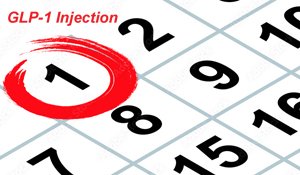
GLP-1 maintenance is given on the first of each month.
by Dr. Richard Lipman, MD
Internal Medicine and Endocrinology, reviewed and updated on March 8th, 2026.
After successful weight loss with GLP-1 medications such as semaglutide (Ozempic/Wegovy) or tirzepatide (Mounjaro/Zepbound), the greatest challenge becomes maintaining that weight loss over time. In our Miami-based medical practice, Dr. Lipman has developed a simple, highly effective strategy that enables patients to maintain their GLP-1 weight-loss results with just one GLP-1 injection per month.(On occasion, if the dose treating dose was low, it may have to be taken every other week rather than once a month.
A New Approach to Long-Term Weight Control: How the Once A Month GLP-1 Maintenance Injection Works
The first three weeks of each month are the appetite control phase. Having just reached their goal on the routine treatment injections, their GLP-1 blood levels are relatively high. During the first three weeks after the injection, patients experience strong appetite suppression, reduced cravings, and improved portion control, allowing their weight to remain stable or even decrease slightly. They make better choices when food shopping and eating in restaurants. They are conscious of what they eat. As the medication effect gradually tapers during the last third of the month (beginning on the 20th to 23rd of the month), appetite begins to return, and patients may notice a mild increase in food intake and mild increase in cravings along with an increase in food noises.
The last GLP-1 dose required to achieve the weight-loss goal is used as the monthly maintenance dose.
Dr. Lipman’s plan uses the GLP-1 dose that produced most of the weight loss (usually the highest dose) and has the patient administer it on the first day of each calendar month, with the goal of maintaining the weight loss. Patients can reduce cost, minimize side effects, and effort by taking only a single injection a month.
Dr. Lipman’s patients encounter minimal weight gain at the end of the month.
This typically results in a small weight gain of approximately 1 to 2 pounds in women and 3 to 4 pounds in men. Food control, including reduction in appetite and diminished cravings, gradually returns a day or two after the next month’s injection. The previous month’s small weight gain is then lost. Patients should avoid overreacting to the end-of-the-month minor weight fluctuations–usuallyempt to “correct” them with additional doses or drastic dietary changes.
Dr. Lipman’s New Concept in Weight Maintenance: It’s Not
Necessary or Even Desirable to Try to Achieve Zero Weight Gain Each Month
A critical concept in this approach is that the goal is not to maintain a perfectly stable weight every single day, but rather to achieve controlled and predictable weight variation. Small fluctuations of one to two pounds are normal and expected and should not be viewed as a failure. In fact, this pattern reassures patients that the medication cycle is working as intended. Most individuals are not even aware of these fluctuations unless they weigh themselves during the final days of the month or the first few days of the next cycle.
Why has the once-a-month maintenance GLP-1 injection been so successful in Dr. Lipman’s office?
This method is effective because it aligns with both the pharmacologic action of GLP-1 medications, including resetting brain hunger pathways, reducing food rewards, and improving insulin sensitivity,
and the behavioral patterns of patients. The medication provides a strong initial reset of appetite, followed by a gradual return of hunger that patients learn to anticipate and manage. Over time, patients develop confidence in recognizing their hunger patterns and no longer feel dependent on constant dosing. Additionally, the residual effects of GLP-1 medications continue beyond their peak activity, helping to limit overeating even in the later part of the cycle.
Once Monthly dosing of GLP-1 achieves maintenance
In most cases, the maintenance dose is simply the last effective dose used during the active weight loss phase. There is no need for dose escalation, and many patients can maintain their results on relatively low doses, such as 5 mg of tirzepatide once monthly or an equivalent semaglutide dose. This further contributes to reduced cost and fewer side effects while maintaining effectiveness.
What the patient needs to recognize on monthly GLP-1 maintenance
Patients should be clearly advised that a slight increase in hunger near the end of the month is expected and normal. This may be accompanied by a slight increase in food intake and a temporary weight gain of 1 to 2 this weight gain typically resolves quickly after the next dose is taken. Patients who understand and accept this pattern tend to do very well, whereas those who overreact to minor fluctuations may struggle unnecessarily.
Eliminate frequent weigh-ins and over-concern about minor weight gains, and look at the big picture.
One of the most important aspects of success with this approach is avoiding overreaction to small weight changes.Patients should not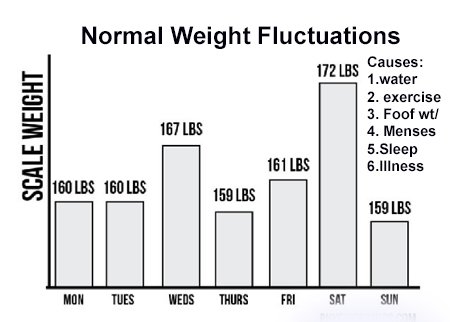
Normal changes in weight during the week are mostly due to minor water weight gains with additional doses or drastic dietary changes. Instead, consistency with the monthly schedule and trust in the predictable cycle are key. This approach shifts the focus from daily weight anxiety to long-term control and stability.
Monthly GLP-1 maintenance represents a shift in how we think about long-term weight management. Rather than relying on continuous weekly dosing, this approach provides a structured, lower-cost, and more sustainable strategy that empowers patients to maintain their results with confidence. In our Miami practice, Dr. Lipman and his staff have seen this method work successfully in many patients who prefer a simpler, more manageable long-term plan.