

DOWNLOAD FOOD MENUS FOR ALL MEALS
What are GLP-1 – Semaglutide and Tirzepatide Weight Loss Injections in Miami in 2026: Introduction
Medically reviewed and updated for 2026
Dr. Richard Lipman MD
Board-Certified Internist and Endocrinologist
GLP-1’s include Semaglutides and Tirzepatides. They are new medications that belong to a class of drugs called glucagon-like peptide-1 (GLP-1) receptor agonists. THEY ARE A NEXT-GEN WEIGHT LOSS BREAKTHROUGH. They are once-a-week injections used to treat type 2 diabetes and obesity. Semaglutide and Tirzepatide work by mimicking the actions of a hormone called GLP-1, and in the case of Tirzepatide, mimicking a 2nd hormone, GIP. Both hormones are produced naturally in the body. They help regulate appetite and food intake, resulting in weight loss as well as lowering blood sugar levels and slowing the rate at which food moves through the intestine.
In clinical studies, semaglutide has been shown to promote weight loss in people with type 2 diabetes. In one study, people who took semaglutide as a once-weekly injection lost an average of 12.4% of their body weight; a more recent study showed weight loss of 21-28% of their starting weight. Those who took a placebo gained an average of 1.6% of their body weight.
How Does GLP-1/GIP Cause Such Large Weight Loss?
What are Semaglutides? Semaglutides or GLP-1’s are hormones that are produced by cells in the small intestine in response to food intake. They act on receptors in the brain to suppress appetite, promote satiety (the feeling of fullness), and reduce food intake. GLP-1 also stimulates the production and release of insulin from the pancreas, which helps to lower blood sugar levels. In addition, GLP-1 slows gastric emptying and increases the production of the hormone cholecystokinin, which also promotes satiety. By reducing appetite and increasing feelings of fullness, Semaglutides provide potent weight loss.
Here’s the revised list of frequently asked questions (FAQs) for those considering or starting new semaglutide weight loss injections, including popular medications like Ozempic, Mounjaro, Zepbound, and Wegovy:
1. What are Semaglutide/Tirzepatide Injections and how do They Work?
Semaglutide injections, like Ozempic and Wegovy, and Tirzepatide Injections, like Mounjaro and Zepbound, are medications approved for managing obesity or overweight with at least one weight-related condition, such as type 2 diabetes, hypertension, or high cholesterol. They mimic a hormone that targets brain regions involved in appetite regulation. One of the most recent discoveries is that GLP-1s specifically reduce food noises in the brain. Food noises are impulsive thoughts that keep reminding a person to eat when he may not even be hungry.
2. Who is eligible for these medications?
These medications are typically prescribed for adults with obesity (BMI over 30) or overweight (BMI over 27) who also have weight-related health issues.
3. What are the differences between Ozempic, Mounjaro, Zepbound, and Wegovy?
– Ozempic and Wegovy contain semaglutide and primarily target blood sugar control and weight loss.
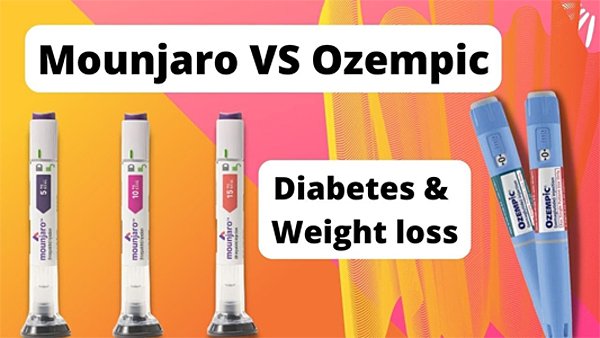
– Mounjaro (tirzepatide) is slightly different, combining the actions of GLP-1 and GIP receptors, potentially offering enhanced weight loss and glycemic control and some cardiovascular control.
– Zepbound is also based on semaglutide and is explicitly used for chronic weight management. There is an added benefit of improvement in sleep apnea. Recent Science has shown that Mounjaro and Zepbound have been effective for eliminating the usual plateaus seen in these medications.
4.How are GLP-1’s takein
These medications ae injectied. These medications are injected subcutaneously, usually in the thigh, abdomen, or upper arm, typically once a week. More on buying the ideal syringe and needle.
5. Can I administer the injection myself?
Yes, after proper training from a healthcare provider, patients can usually administer these injections themselves at home.
6. Side Effects of GLP-1’s
Common side effects include nausea, vomiting, diarrhea, stomach pain, and constipation. These often decrease over time as the body adjusts to the medication.
7. Are there any long-term risks associated with these medications?
As with any medication, there are potential risks. Long-term use can sometimes be associated with thyroid tumors, including cancer. It’s important to discuss the risks and benefits with your healthcare provider.
Effectiveness of GLP-1 for Wight Lo
8. How effective are these medications for weight loss?
Studies show that these medications can result in significant weight loss, starting at 10% to 20% of initial body weight and rising to 25-38% of body weight in some individuals, often depending on the individual, adherence to a diet and exercise plan, as well as age, weight, and gender.
9. When will I start to see results?
Weight loss usually begins within the first few weeks of treatment and continues for 9-12 months, varying by individual.
19. Lifestyle Changes when taking GLP-1 Medications
. Do I need to follow a special diet while on these medications? Yes, for optimal results, it’s recommended to follow a lower-calorie diet rich in proteins and low in carbs and fats, coupled with regular physical activity.
11. Can these injections be combined with other weight loss medications?
Generally, combining these injections with other weight loss drugs is not recommended without medical advice due to potential interactions. When they are combined, often weight loss plateaus are reduced.
Insurance and Costs
12. Are these medications covered by insurance?
Coverage varies widely across insurance plans and geographic locations. Some plans may require prior authorization or documentation of previous weight loss efforts.