Phentermine (Adipex): Safe & Effective Weight Loss for More than 65 years!
by Dr Richard Lipman M.D., reviewed and updated on October 20, 2025
Phentermine is a safe and effective weight-loss pill approved by the FDA since 1959. Although it’s a controlled substance, it’s safe, effective, and easily found, and it’s the most commonly prescribed weight loss drug. The weight loss is due to a marked decrease in appetite and increased satiety. The long history of successful use attests to the safety and efficacy of the medication. With over 70 million prescriptions written in the US alone over the past 60 years, it has proven to be a safe and effective weight-loss medication. Since 2007, about 4 million prescriptions for phentermine have been written each year. This ranks phentermine in the top 300 medicines prescribed in the US. Its two-dimensional structure resembles amphetamine, which leads to confusion on some internet blog posts. Individuals without experience often confuse the two drugs. Phentermine is a safe and effective weight loss pill; it is not an amphetamine and remains an effective obesity treatment. Hundreds of studies and reports have found that phentermine does not affect blood pressure or heart rate. Although it was approved for 12 weeks, off-label use has extended its usefulness for many more weeks. The strongest version of phentermine is the 37.5 mg dose sold under the brand name Adipex, while the weakest (8 mg per dose) and newest version (FDA approved in 2016) is Lomaira.
This article will cover Phendimetrazine generic and brand, its role in weight loss, eligibility, dosage, side effects, short and long-term safety. It is not a replacement for diet and exercise, and always consult your physician before you begin such medication.
Dr Richard Lipman: On-line Doctor for Phentermine:
We have been prescribing phentermine, when indicated, online to hundreds of patients over the past 4 years. It’s proven to be both safe and effective. We usually start with he lower doses and slowly taper up the dose as needed. Given to the “right” patient, we have seen no complications or medical problems. Telemedicine prescriptions for phentermine, when controlled and carefully done, can be an effective treatment for severe obesity. It often leads to very fast weight loss.
Phentermine is also one of the best medications to help stop weight loss plateaus.
Early Studies on Phentermine/ Adipex
The first long-term study showing phentermine is a safe and effective weight loss pill was released in 1968. It reported on 108 obese women treated for more than 8 months. An average weight loss of 13% was found on phentermine, and the only side effects noted included dry mouth, insomnia, and constipation, all of which proved unimportant. Important studies reviewing phertermine have been published by the US government.
The first re-evaluation after approval in 1959 was in 1973, when the FDA evaluated all DIET drugs for not only safety but also effectiveness. It passed all the tests. After the Phen/fen crisis in 1997, the FDA re-evaluated phentermine. The culprit was fenfluramine (the 2nd fen in Phen/fen.) Since then, there have been no reports of phentermine causing hypertension or valvular heart disease.
Phentermine in Combination with Topiramate is called Qsymia
The FDA re-evaluated the side effects of various doses of the combination of phentermine and topiramate. The FDA reviewed the results of 4500 obese people treated with different dose combinations of the two medications for 12 to 36 months. Again, it was found to be safe and effective, with a 9-12% weight loss. For safety, the FDA required a separate study of possible cardiovascular side effects: 12 hundred obese patients were followed to examine the occurrence of cardiovascular complications, including changes in blood pressure, heart rate, and Cardiac echos. No abnormalities found. There was no elevation in blood pressure, contrary to popular opinion. This has been the experience of nearly all physicians treating obese people, even those with concurrent hypertension.
Different Versions of Phentermine Can Cause Confusion:
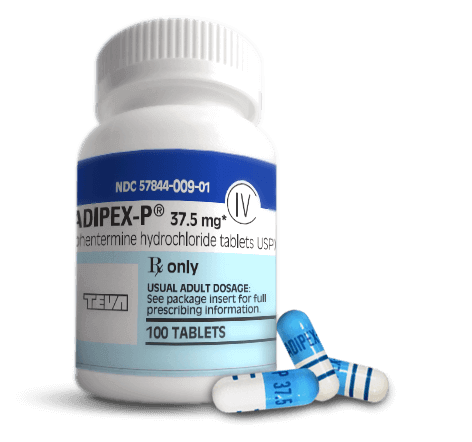
Brand names for phentermine are Adipex-P® and Lomaira. Discontinued brands in the US include Fastin and Ionamin. Adipex-P is a longer-acting version taken in the morning. Lomaira is a short-acting version that one can take 30 minutes before meals. Here is a comparison of phentermine with other FDA-approved weight-loss medications.
Lomaira: Newest Version of Phentermine: Low Dose -No Side Effects
The most recent FDA evaluation occurred in 2016 when the FDA approved phentermine hydrochloride in an 8 mg dose, a low-dose medication for adults with obesity used three times daily. This new dosage form involves a short-acting medication taken before meals or whenever the patient is hungry, and up to 4 hours before sleep. It fills in the gap between the long-acting 12-hour effect of the 37.5 mg extended-release phentermine.
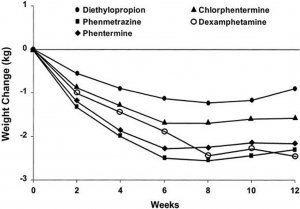
PHENTERMINE & OTHER APPROVED WEIGHT LOSS MEDICATIONS
Phentermine(Adipex) Helps You Lose Weight Safely and Quickly
I prescribe phentermine to many of my overweight and obese patients based on their medical history, metabolism, and weight loss needs. When given to the patient, there is steady, predictable weight loss of 2-3 lbs. per week. Depending on the patient’s age, gender, and starting weight, weekly weight loss can be even higher. Furthermore, this happens without any significant side effects. In fact, the only side effects I see are dry mouth and a little bit of insomnia. Insomnia is controlled by taking the medication earlier in the day and avoiding caffeine after lunch.
Phentermine and the other appetite suppressants remain very effective. As a result, they play a significant role in helping overweight individuals lose weight when taken in low doses and titrated slowly over time. Tens of millions of people have taken these appetite suppressants for weight loss.
Phentermine Acts on the Brain, Affecting the Appetite Center
Phentermine is a safe and effective weight loss pill. Labelled as a sympathomimetic amine, also known as an “anorectic” or “anorexigenic” drug. According to the National Library of Medicine, phentermine’s primary mode of action is that it increases the body’s release of catecholamines. Specifically, it causes the release of epinephrine and norepinephrine, and possibly dopamine. These are called neurochemicals, and they specifically regulate hunger, appetite, and feelings of fullness.
These catecholamines decrease appetite and increase energy expenditure by influencing a variety of neurotransmitters and neuropeptides throughout the hypothalamus. When you are taking phentermine, you tend to feel less hungry but more energetic and alert. Increased energy expenditure will increase calorie burn. Weight loss results from a combination of these influences.
Phentermine Consistently Produces Weight Loss
Over 100 clinical studies on phentermine have been published in various medical journals, demonstrating its safety and effectiveness. There are combinations of phentermine, topamax, and metformin for diabetics. Here are highlights of the most significant recent studies and comparisons. Phentermine weight loss after a year was about 8.5% after a year. Which is as great or greater than other FDA-approved medications, as indicated by the blue bar and arrow on the right side of the bar graph below:
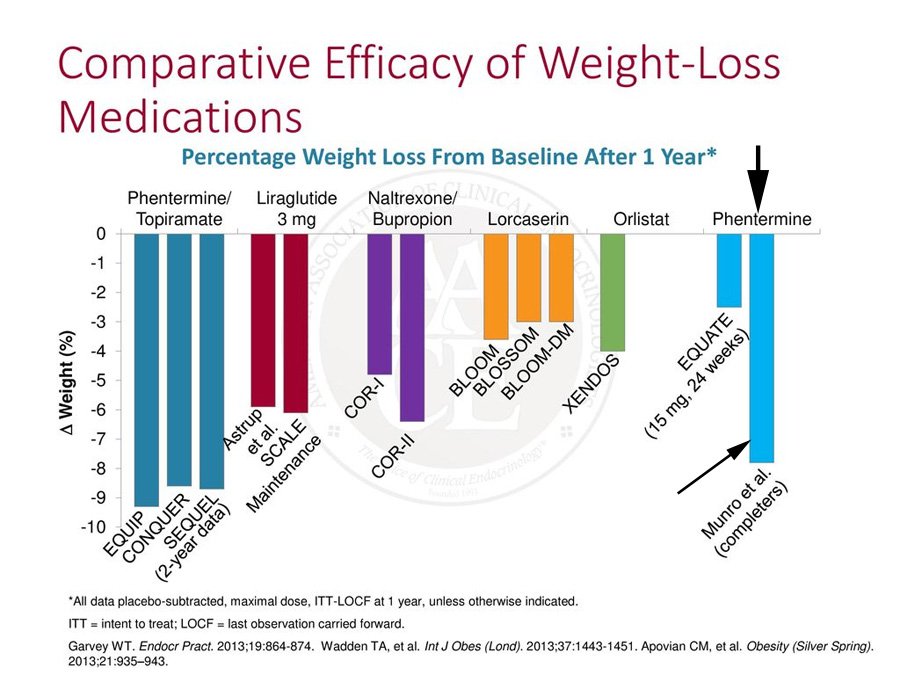
Note the weight loss in the phentermine group(blue bar on right) was based on taking 1/2 dose strengths. Taking the 37.5 mg phentermine(Adipex) has resulted in much greater weight loss as reported in the Lewis and Haddock studies below.
More Recent Studies on Phentermine Safety and Effectiveness
UK Weight Loss Study Recently Confirms Safety and Effectiveness on Moderate Dose Phentermine and Intermittent Phentermine Dosing:
A British study found phentermine also to be a safe and effective weight loss pill when compared to a placebo over a period of months. This study included three groups of 36 women each. Two groups took phentermine to augment their weight loss efforts. In one group, doctors gave participants 15 mg per day throughout the study. In another group, doctors gave participants the same dose every other month. Both groups consumed a 1,000-calorie daily diet. The continuous group lost a total of 27 lbs. over the period, and the intermittent group lost slightly more at 28.7 lbs. The placebo group lost 8 lbs in the same period. Few, if any, side effects were noted. Furthermore, there were NO significant differences in systolic and diastolic blood pressure between the groups. Note that the average weight was 190 lb, so the average weight loss was about 45-50 lbs over the year!
South Korean Study of Higher Dose Phentermine:
In 2005, Korean scientists conducted a trial of this medication’s weight loss effects on 34 participants. In this study, they used the standard 37.5mg dose. Subjects were placed on a 1,500-calorie-per-day diet. After 14 weeks of study, the drug treatment group lost 16.5 lbs. Side effects reported in this study, similar to those in many other studies, were much less significant than most people think. Here is the report on side effects from the study:
“… in adverse events analysis, only 6 of 29 (20.7%) treatment group subjects had complaints about palpitations. This number is not significantly more than the placebo group. Similarly, blood pressure had not increased after the treatment period in the phentermine group, and there were no significant differences between the two groups. The analysis of blood pressure at the 6th week found the mean systolic pressure to be 127.4 (SD 10.2) mmHg and the mean diastolic pressure was 85.1 (SD 8.4) mmHg in the treatment group (n = 28), compared to systolic 127.3 (SD 12.7) mmHg and diastolic 83.5 (SD 10.4) mmHg in placebo group (n = 24). Therefore, we can suggest that the administration of phentermine would not induce any serious cardiovascular effect, at least for the patients whose risk of cardiovascular disease is not high.”
Again, we have seen a safe drug with no significant blood pressure or cardiovascular events.
More Recent Studies of Long-Term Treatment with Phentermine for Obesity
In 2018, the Pennington Biomedical Center reviewed multicenter studies and found a 6-9% weight loss vs. 1.2% with placebo with all 9 approved weight-loss medications at the end of a year, including phentermine, without significant side effects, especially hypertension and cardiovascular disease.
In the International Journal of Obesity in 2002, Dr Haddock reviewed more than 108 studies worldwide covering 40 years of obesity treatment. This also included all FDA-approved drugs, including all doses of phentermine. He noted safety and effectiveness for all of the medications with little difference among them.
The largest and most significant review of the effectiveness and safety of phentermine was published by Dr Kristina Lewis et al in the Journal of Obesity in 2019, reporting on more than 13,000 patients taking phentermine for up to 3 years. “The longer the treatment, the more the weight loss reported”, Dr Lewis. The study supports the effectiveness and safety of longer‐term phentermine use for low‐risk individuals. Dr Lewis reported, “In general, when patients stopped taking the medicine, weight regain was common.”
Citing Literature On Phentermine Safety and Effectiveness
Phentermine typically has minimal effect on blood pressure or heart rate. In low doses, most people experience virtually no impact on blood pressure, heart rate, and even sleep.
In a clinical setting, phentermine can be used effectively for several months,
What are the Side Effects of Phentermine?
The most common side effects reported in clinical trials were dry mouth, dizziness, insomnia, restlessness, irritability, nausea, vomiting, diarrhea, and constipation. Many of these side effects go away as we adjust to a dose that works for you and your body adjusts to the medication.
Is this Fen-Phen?
No. The old combination of phentermine and fenfluramine or dexfenfluramine caused heart valve disease due to the fenfluramine or dexfenfluramine component. In 1997, manufacturers withdrew it from the market at the FDA’s request. There is NO fenfluramine in any phentermine preparation since 1997!
What are the costs? Is insurance coverage possible?
Of all the weight loss drugs, phentermine is the least expensive. Generic phentermine can be obtained for $20- $25 at most retail pharmacies. Insurance coverage depends on the policy, though with the recent high cost of the new injections, more and more insurance companies are beginning to cover this effective drug.
Who Can Take Phentermine? What are the criteria?
Phentermine is a safe and effective weight-loss pill when used as part of a treatment plan that includes exercise, behavioral changes, and a low-calorie diet. We recommend it for people with a body mass index ≥ 30 kg/m2 or≥ 27 kg/m2 with medical conditions such as diabetes and high cholesterol.
People with the following medical conditions should NOT take phentermine:
- A history of cardiovascular disease (hardening of the arteries, stroke, congestive heart failure, and/or moderate to severe high blood pressure)
- Overactive thyroid
- Glaucoma
- Renal impairment
- Hypersensitivity to stimulants
- People with a history of drug abuse or mental illness
- Women who are pregnant or nursing
- Anyone who is taking or has used a mono-amine oxidase inhibitor drug (MAO inhibitor) within the past 14 days
Each individual needs to discuss these medications with their personal physician to see which medications will be safe and effective.
How is Phentermine taken?
Phenomenie is typically taken with breakfast or mid-morning. Most of the preparations last 8 to 12 hours, lasting most of the day including the evening meal.
Phentermine vs. GLP-1 Drugs Like Wegovy and Zepbound
Feature |
Phentermine (Adipex) |
GLP-1s (Wegovy, Zepbound) |
| FDA Approved Since | 1959 | 2021–2022 |
| Cost | $10–$50/month | $900–$1,400/month |
| Administration | Daily oral pill | Weekly injection |
| Average Weight Loss | 6–12% | 15–25% |
| Side Effects | Dry mouth, insomnia | Nausea, vomiting |
| Long-Term Data | 60+ years | Under 5 years |
Latest Clinical Studies on Phentermine
- 2002 (Haddock): 43% maintained ≥80% weight loss
- 2018 (Pennington Center): 6% more weight loss than placebo; no hypertension
- 2019 (Obesity Journal): 13,972 patients; longer use led to greater weight loss, with no cardiac risk
Why Choose Phentermine Today?
- Safe: 50+ years of clinical use
- Affordable: Ideal for patients without access to GLP-1s
- Flexible: Options include Adipex, Lomaira, Qsymia
- Telemedicine: Legally prescribed online with medical evaluation
Call 305-670-3259 to make an appointment with Dr. Lipman in his Miami office and see if phentermine is right for you.