
Do You Need Supplements on a Keto Diet?
One of the most common questions patients ask me when starting their Keto diet is whether they need to take supplements to be successful. The answer is usually no.
A well-formulated ketogenic diet should provide the foundation for good nutrition. Whole, nutrient-dense foods are what drive long-term success, not pills or powders. While certain supplements can be helpful in specific situations, most people do not need an expensive collection of “keto” products to lose weight or improve their metabolic health.
Unfortunately, the internet is filled with articles and influencers promoting supplements that promise faster ketosis, more fat burning, or magically effortless weight loss. Most of these recommendations are driven more by marketing than by science.
In my practice, I encourage patients to think about supplements the same way I think about medications: they should address a specific need, not compensate for a poor diet. When used appropriately, certain supplements can support the Keto diet. When used indiscriminately, they often add unnecessary expense without providing meaningful benefit.
The goal isn’t to buy more supplements, it’s to build a healthier metabolism. For most people, that starts with a well-designed ketogenic eating plan, adequate hydration, appropriate electrolyte intake, regular physical activity, and consistent healthy habits.
Why Supplements Aren’t the Foundation of a Healthy Keto Diet
One of the biggest misconceptions surrounding the ketogenic diet is that success depends on buying the “right” supplements. In reality, nutritional ketosis is achieved by consistently limiting carbohydrate intake, not by taking ketone drinks, gummies, or proprietary powders.
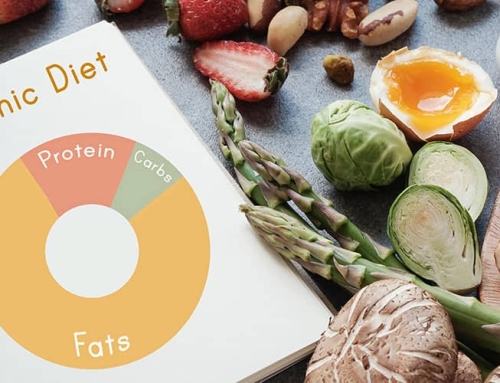
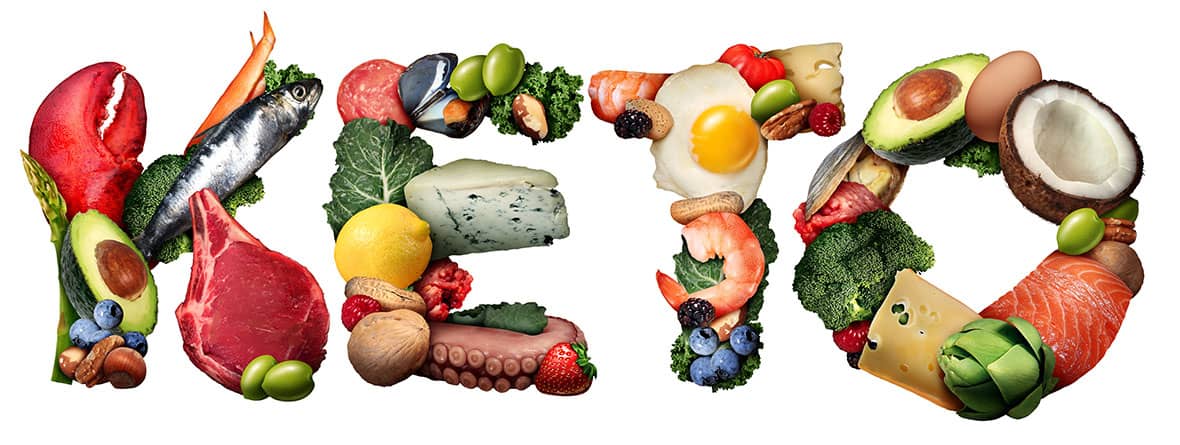
A well-planned ketogenic diet built around meat, poultry, seafood, eggs, healthy fats, non-starchy vegetables, nuts, seeds, and other nutrient-dense foods provides far more nutritional value than any supplement can.
That doesn’t mean supplements never have a place. Certain nutrients may deserve closer attention during a ketogenic diet, particularly during the first few weeks of carbohydrate restriction or in individuals with specific medical conditions or documented nutritional deficiencies. The key is understanding which supplements have evidence behind them and which are primarily marketing products.
Rather than asking, “What supplements should everyone take?” I encourage patients to ask a different question:
“Is there a specific reason I need this supplement?”
Sometimes the answer is yes. Often, it’s no.
From Dr. Lipman’s Practice
One of the first things new patients tell me is that they’re overwhelmed by the number of supplements being marketed to people following the Keto diet. They’ve read they need ketone drinks, electrolyte powders, MCT oil, collagen peptides, fat burners, keto gummies, magnesium, digestive enzymes, and a dozen other products before they’ve even planned their first meal.
My advice is usually much simpler. I don’t want patients to focus on building a supplement cabinet before they’ve learned how to build a healthy plate.
The people who achieve the best long-term results are rarely the ones taking the most supplements. They’re the ones who consistently follow a well-designed eating plan, stay hydrated, make healthy food choices, sleep well, remain physically active, and understand that sustainable weight loss comes from long-term habits, not shortcuts.
Supplements That May Be Beneficial for Some People
A ketogenic diet doesn’t automatically create nutritional deficiencies, but it can change your body’s fluid balance and alter your intake of certain nutrients. That’s why a small number of supplements may be beneficial for some individuals—particularly during the early stages of the diet or when a specific deficiency has been identified.
The important point is that these supplements should be used to address a legitimate need, not because they’re marketed as an essential part of keto.
Electrolytes
If there’s one category of supplements that deserves special attention during the first few weeks of a ketogenic diet, it’s electrolytes.
As carbohydrate intake decreases, insulin levels fall, causing the kidneys to excrete more sodium and water. This natural response is one of the primary reasons some people experience fatigue, headaches, dizziness, muscle cramps, or other symptoms commonly referred to as the keto flu.
Replacing sodium, potassium, and magnesium appropriately during this transition can often reduce or prevent many of these symptoms. In many cases, this can be accomplished through food choices alone. However, some people may benefit from electrolyte supplements during the initial adaptation period.
It’s important to remember that electrolyte needs vary from person to person. Individuals with kidney disease, heart failure, uncontrolled hypertension, or those taking diuretics or other medications that affect fluid balance should speak with their physician before using electrolyte supplements.
If you’d like to learn more about why electrolyte balance is so important during the first few weeks of a ketogenic diet, see our article on Keto Flu: What It Is, Why It Happens, and How to Feel Better Faster.
Magnesium
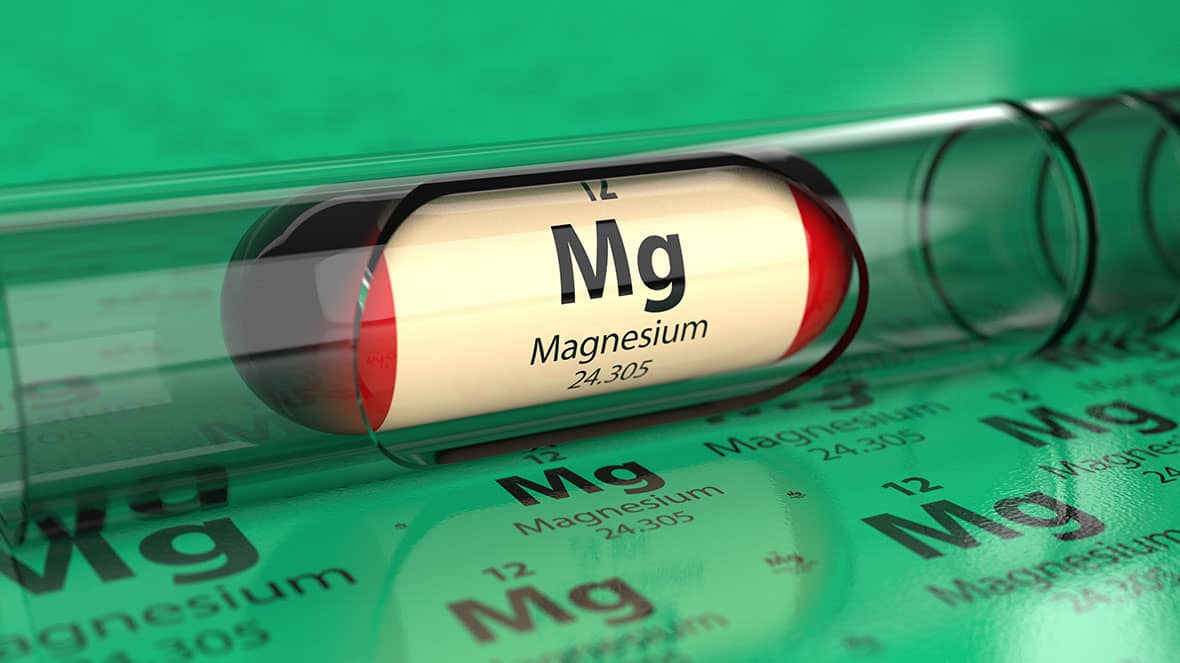
Magnesium plays an important role in hundreds of biochemical reactions throughout the body, including muscle contraction, nerve function, blood sugar regulation, and energy production.
Although magnesium supplements are frequently recommended for people following a ketogenic diet, they aren’t necessary for everyone. Many people can meet their magnesium needs through foods such as leafy green vegetables, avocados, nuts, and seeds.
That said, magnesium supplementation may be appropriate for individuals with a documented deficiency or for those experiencing symptoms such as muscle cramps or poor sleep despite eating a well-balanced ketogenic diet.
Because excessive magnesium supplementation can cause diarrhea and other gastrointestinal side effects, more isn’t necessarily better. Like most supplements, it should be taken for a reason rather than simply because it’s popular.
Fiber
One of the biggest misconceptions about ketogenic diets is that they’re naturally low in fiber.
A well-designed ketogenic diet includes plenty of non-starchy vegetables, nuts, seeds, and other fiber-rich foods. When patients focus only on meat, cheese, and butter while neglecting vegetables, fiber intake can become inadequate.
If constipation develops despite eating enough vegetables, drinking adequate fluids, and staying physically active, a fiber supplement may be helpful. However, supplements should complement—not replace—a diet rich in whole foods.
Whenever possible, I prefer helping patients improve their food choices before recommending fiber supplements.
Vitamin D
Vitamin D deserves special mention because deficiency is common regardless of whether someone follows a ketogenic diet.
Rather than assuming everyone needs vitamin D supplements, I generally recommend making this decision based on individual risk factors or laboratory testing whenever appropriate.
For patients who are deficient, correcting vitamin D levels is important for bone health, immune function, and overall health. But vitamin D isn’t a “keto supplement”, it’s simply an important nutrient that should be addressed when needed.
Supplements That May Be Helpful in Specific Situations
Some supplements aren’t necessary for most people, but they may have a role depending on an individual’s goals, lifestyle, or nutritional needs. These products shouldn’t be viewed as essential components of a ketogenic diet, but they can be useful under the right circumstances.
MCT Oil

Medium-chain triglycerides (MCTs) are absorbed differently than most dietary fats and are rapidly converted by the liver into ketones. For that reason, MCT oil is often marketed as a way to increase ketone production.
While that’s true, higher ketone levels don’t automatically translate into greater weight loss or better health outcomes.
Some people find that MCT oil helps increase dietary fat intake, particularly during the early stages of a ketogenic diet, while others appreciate it as a convenient addition to coffee or smoothies. However, it isn’t required to achieve nutritional ketosis, and introducing it too quickly frequently leads to stomach cramps, bloating, or diarrhea.
If you choose to use MCT oil, start with a small amount and increase gradually as tolerated.
Omega-3 Fatty Acids
Omega-3 fatty acids support cardiovascular health and play an important role in normal brain function and inflammation regulation.
Ideally, these healthy fats should come from food sources such as salmon, sardines, mackerel, and other fatty fish.
For individuals who rarely consume seafood, an omega-3 supplement may be worth considering. However, like any supplement, it should address a dietary gap rather than replace healthy eating habits.
Protein Powder
Protein powders can be convenient, but they’re often misunderstood.
A ketogenic diet is not a high-protein diet. Instead, it emphasizes adequate protein while obtaining most calories from healthy fats.
For most people, protein requirements can easily be met through whole foods such as meat, poultry, fish, eggs, and dairy products.
Protein powders may be helpful for individuals who struggle to consume enough protein, have increased protein needs, or simply need a convenient option after exercise or during a busy day. They shouldn’t become the primary source of dietary protein.
Supplements That Are Often Overhyped
The ketogenic diet has created an enormous supplement industry. Unfortunately, many products are marketed with claims that simply aren’t supported by good scientific evidence. While these supplements may sound impressive, they often provide little meaningful benefit for most people following a well-designed ketogenic diet.
Exogenous Ketones
Exogenous ketone supplements, typically sold as ketone salts or ketone esters, are designed to raise blood ketone levels without requiring your body to produce them.
While these products can temporarily increase measurable ketones in your bloodstream (ketonemia), that’s very different from becoming nutritionally adapted to ketosis through dietary changes (ketogenesis). Current evidence does not show that exogenous ketones accelerate fat loss, eliminate keto flu, or replace the metabolic benefits of following a properly formulated ketogenic diet. In fact, a landmark study found that taking exogenous ketones actively suppresses the breakdown of stored body fat.
For most people, they’re an expensive way to raise the value on a lab test without meaningfully improving weight loss outcomes.
Collagen
Collagen supplements have become increasingly popular for supporting skin, hair, nails, joints, and connective tissue. While some studies suggest collagen peptides may provide modest benefits for certain individuals, collagen should not be viewed as an essential ketogenic supplement.
Unlike complete protein sources, collagen lacks several essential amino acids. It can be a useful addition to an otherwise balanced diet, but it should not replace high-quality dietary protein.
If your goal is to improve overall nutrition on a ketogenic diet, whole food protein sources should remain the priority.
Raspberry Ketones
Despite the name, raspberry ketones have nothing to do with nutritional ketosis.
Raspberry ketones are naturally occurring compounds that give raspberries their aroma. They are chemically unrelated to the ketones your body produces while following a ketogenic diet.
Marketing often creates confusion by suggesting raspberry ketones promote ketosis or fat burning. There is no high-quality clinical evidence supporting these claims in humans.
Simply put, raspberry ketones do not help your body enter ketosis.
BHB Drinks and “Fat-Burning” Ketone Beverages
Many products advertise beta-hydroxybutyrate (BHB) drinks as a shortcut to ketosis or rapid fat loss.
These claims can be misleading.
Drinking ketones is not the same as teaching your body to efficiently burn stored fat. Although these beverages temporarily increase circulating ketone levels, they do not eliminate the need to reduce carbohydrate intake if your goal is nutritional ketosis.
If a product promises effortless fat burning while allowing you to continue eating a high-carbohydrate diet, skepticism is warranted.
Keto Gummies

Keto gummies have become one of the fastest-growing segments of the supplement market, largely because they’re heavily promoted through social media and online advertising.
Unfortunately, the marketing often far exceeds the evidence. The truth is that most of these products are simply a way for influencers to make money.
Many keto gummies contain exogenous ketones, apple cider vinegar, or other ingredients marketed as weight-loss aids. Others contain added sugars or sugar alcohols that may not align well with a ketogenic diet. And some have unknown or unclear manufacturing processes, ingredient sourcing, or quality testing.
There is no credible evidence that keto gummies produce meaningful weight loss on their own. They should never be viewed as a substitute for healthy eating habits.
Proprietary Keto Blends
Many “all-in-one” keto supplements combine multiple ingredients into proprietary blends while providing very little information about how much of each ingredient is actually included. From a clinical perspective, they’re not much better than the gummies.
This makes it difficult—if not impossible—to determine whether the product contains meaningful amounts of the active ingredients or whether those ingredients are supported by clinical evidence.
Whenever a supplement relies more on impressive marketing language than transparent labeling and scientific evidence, it’s worth asking whether it’s solving a real problem or simply creating one.
Common Myths About Keto Supplements
Myth: Everyone on keto needs supplements.
Not true. Many people following a well-planned ketogenic diet obtain the nutrients they need through food alone. Supplements should be used to address specific needs, not because they’re considered mandatory.
Myth: More ketones always mean better results.
Higher blood ketone levels don’t automatically translate into greater weight loss or improved health. The goal of a ketogenic diet is improving metabolic health—not chasing the highest ketone reading.
Myth: Expensive supplements make keto work better.
No supplement can compensate for a poorly designed diet. Consistently eating nutrient-dense foods, maintaining an appropriate calorie intake, staying physically active, and following the diet over time will have a far greater impact on your success than any supplement.
Myth: Natural means safe.
Even vitamins, minerals, and herbal supplements can interact with medications or be inappropriate for people with certain medical conditions. That’s one reason supplementation should be individualized rather than based solely on advertising claims.
References
- National Institutes of Health Office of Dietary Supplements – Magnesium Fact Sheet
https://ods.od.nih.gov/factsheets/Magnesium-HealthProfessional/ - National Institutes of Health Office of Dietary Supplements – Vitamin D Fact Sheet
https://ods.od.nih.gov/factsheets/VitaminD-HealthProfessional/ - StatPearls – Ketogenic Diet
https://www.ncbi.nlm.nih.gov/books/NBK499830/ - Beyond Weight Loss: A Review of the Therapeutic Uses of Very-Low-Carbohydrate (Ketogenic) Diets
https://pmc.ncbi.nlm.nih.gov/articles/PMC7082414/
Considering Supplements While Following a Keto Diet?
If you’re considering a ketogenic diet, or you’re unsure which supplements, if any, are appropriate for your individual health needs, Dr. Richard Lipman’s medically supervised Keto Diet Program provides personalized guidance based on your medical history, medications, lifestyle, and long-term goals. Rather than relying on marketing claims, you’ll receive evidence-based recommendations tailored to your specific needs.