
How to Control Nausea Bloating, Burping and Gas from Ozempic, Wegovy, Zepbound, Mounjaro GLP 1’s
GLP-1’s injections for weight loss are associated with significant, but controllable, gastrointestinal side effects. The overall incidence is 70% in most studies. GI side effects are similar when comparing Ozempic/Wegovy with Mounjaro(tirzepatide) and several compounded Semaglutides. They include nausea (44%), diarrhea(30%), vomiting(25%) , and constipation (24.2%). Less common are heartburn(including acid reflux, GERD, indigestion), burping, and non-specific abdominal pain.
GI Side Effects of Semaglutides are Non-Serious, Mild to Moderate and Transient
In more than 11 studies of semaglutide treatment of both diabetic and non-diabetic obese individuals, these GI side effects occurred most frequently at the start of treatment and with dose escalation. Only 5% of participants discontinued the medication because of them and almost all occurred during the first few weeks of treatment. Some of the participants needed a temporary dose reduction but quickly returned to their treatment dose.
Recent Observations show Nausea and Occasional Vomiting Usually Ddiminish asTreatment continues.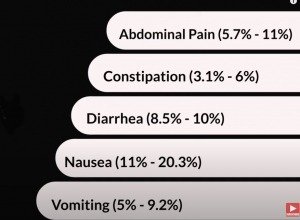
Although the rates of nausea and vomiting remained higher in the semaglutide-treated individuals compared to the placebo group throughout all of the studies, this did not result in further dose reduction or permanent discontinuation of semaglutide treatment. Most recent observations reveal a gradual reduction in these symptoms after several weeks of treatment.
Individuals in the semaglutide treatment group typically recovered from each GI event within a few days and resumed the medication. I have observed this same finding over the past 2 years in patients I have treated with all of the semaglutides equally. No one preparation exhibited consistently fewer side effects. I have prescribed anti-emetics, fiber supplements, proton pump inhibitors (PPIs), and H2 blockers both intermittently and occasionally throughout the course of treatment, depending on individual reactions.
Completion of Semaglutide Treatment Despite GI Side Effects
Almost all of the participants who reported GI side effects(96%) completed the study. This compares to those who completed the study and experienced no GI side effects(94%). Even participants taking the highest dose of 2.4 mg of semaglutide in the Wegovy trials had similar completion rates 95% as compared to individuals without GI side effects (93%). This is consistent with the observation that most of the GI side effects can be avoided by gradual dose escalation and dose adjustment when reaching the higher doses. This is true of Ozempic/Wegovy as well as Mounjaro dosing.
Semaglutide Gastrointestinal Side Effects NOT the Cause of the Weight Loss
Although Semaglutide injections produce significant GI side effects the data in all of the studies shows that this weight loss is the result of the drug and not due to the 3 side effects that might impair weight loss: nausea, vomiting and diarrhea. This observation is due to the fact that the weight loss was no different among subgroups experiencing GI side effects than those without side effects. 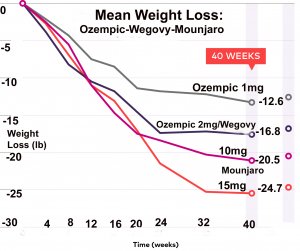
This was seen in all of the studies and is precisely what I have encountered over the past 2 years. These observations should reassure both physicians and patients that the side effects of Semaglutide injections are mild and transient. Semaglutide’s ability to lower weight is due to the increased satiety, reduction in appetite, diminished desire for carbohydrates and fatty foods, as well as reduced energy intake. This is mediated by the drug’s effect on brain appetite centers as well as directly on the stomach and pancreas.
Semaglutide Side Effects Only Partially Related to Higher Dosing
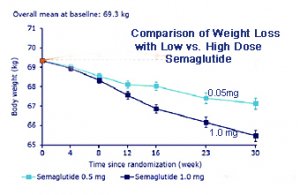
Semaglutide side effects have not been completely dose-related. Although some individuals can directly relate increasing dosage with increasing side effects, many other individuals find little correlation despite a tenfold rise in dose! Gradual dose escalation and especially dose adjustment can help mitigate the impact of Semaglutide side effects.
Constipation May Persist with Semaglutide Treatment
Constipation may last longer than other GI side effects, consistent with the more chronic nature of this condition and the fact that it’s often due to other factors. Most commonly, it due to the marked reduction of intake of food, especially fatty foods and oils.
Pancreatitis and Gall Bladder Attacks:
Acute pancreatitis has been reported in patients treated with these medications. Patients should be observed for any signs and symptoms of acute pancreatitis (e.g. persistent severe abdominal pain). Trials have not shown an increased risk of pancreatitis with these medications, but do exist with diabetics.
Cholelithiasis (gallstones) may occur with rapid weight loss on any diet, and an increased incidence has been reported in patients treated with Ozempic/Wegovy for weight management. Appropriate clinical follow-up is required if gallstones are suspected.
How to Reduce Gastrointestinal Side Effects of Semaglutide Injections
Treating GI Side Effects by Changing Foods
No foods are strictly “off-limits” when taking Ozempic or Wegovy—in other words, there’s nothing to worry about that could prevent the medication from working normally. However, there are a few guidelines you’ll want to keep in mind to maximize weight loss and minimize GI side effects.
Fried foods and fatty foods, such as fast food, and foods high in sugar, tend to be the toughest for your body to digest and the most likely to cause nausea. Patients taking Ozempic/Wegovy who experience nausea should consider the following tips:
1. Eat slowly, and eat smaller meals-stop when you feel full or even partially full!
2. Eat foods that are light and bland
3. Drink clear or ice-cold drinks (like water or unsweetened tea), avoid carbonated drinks
4. Avoid fried, greasy, or sweet foods
Treating GI Side Effects with OTC or Prescription Medications- Depends on Type of Symptoms
Nausea:
Nausea is clearly the most common GI side effect. It’s often seen in the very beginning and during dose escalation, but for most people it gets less and less significant as time passes. Studies have shown it’s due the delayed gastric emptying as well as direct effect of these drugs in the brain.
Rx: OTC meds like Gas-X, Pepto-Bismol, Imodium and prescription Zofran orally or
Compazine by injection.
GERD-Heartburn-Reflux:
There is a transient worsening or new onset of gastroesophageal reflux disease (GERD; a known complication of obesity) during treatment for many patients. Medications such as proton-pump inhibitors or H2-blockers can be used on a temporary basis.
Rx: Omeprazole( Prilosec- once or even twice a day), for breakthrough pain H2-
blockers such as Pepcid AC, Tagamet, Protonix, Prevacid.
Constipation:
One of the most common side effects due to the medication or even more likely the change of food. Treatment includes the usual treatment of constipation.
Rx: Fiber such as Metamucil capsules 2-3 twice a day with several glasses of water,
stool softeners and/or Miralax.
Vomiting:
This less common side effect is usually transitory and occurs more in the initial phase rather than with higher doses. Often treatment for GERD like symptoms can stop the vomiting. If severe, then the anti-emetics
Rx:OTC products: Dramamine, Bonine, Gravol, Pepto-Bismol, Emetrol,
prescription products include Zofran, Compazine, Phenergan
Pancreatitis, Gall Bladder Disease:
Both these medical problems are much more serious than the non-specific symptoms due to gastric motility or GERD. Both consist of severe, recurrent pain, often going to the back. Anyone with severe pain needs to be fully evaluated potentially including laboratory tests and/or diagnostic imaging. Obviously, the Ozempic/Wegovy should be discontinued and not restarted if pancreatitis is found.
Other Non- Related Causes
Clinicians should also consider whether any existing or recently initiated concomitant prescription or non-prescription medications could be responsible. For example, metformin can cause GI side effects.
Lowering the Dose of Ozempic/Wegovy
Given the dose-dependent nature of these GI side effects lowering the dose and/or delaying the escalation should be considered for patients unable to tolerate the medications to achieve a dose that enables patients to gain at least some of the benefits with minimal GI side effects.
If GI symptoms occur and dose escalation is paused or the dose reduced, dose escalation can be retried once the patient is symptom-free at the lower dose. Such escalation should be slower than previously used. Many patients with GI side effects are able to achieve the full dose, although the time required for titration can be longer than expected.
Other Causes of Abdominal Bloating, Burping, and Nausea
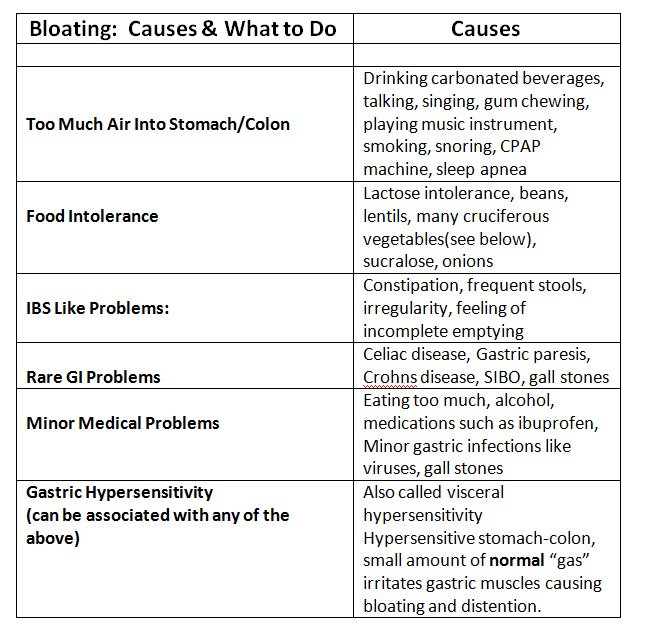
There are many possible causes of abdominal bloating, including fluid retention, irritable bowel syndrome, and infection. However, for most people, the cause of bloating will be pretty harmless, and it can be treated at home.
Abdominal bloating can be alarming, particularly when it is very painful. Some people notice that their belly looks swollen or misshapen, or they may experience sharp abdominal pain. Yet in many cases, the cause may be something as simple as indigestion or too much gas building up in the stomach and bowels.
How to control bloating and abdominal distention depends on the cause and severity. More than 20% of children and adults complain of bloating often associated with abdominal distention. Abdominal bloating can be a minor problem that most people have or a major source of pain and concern depending upon the cause. Here are some of the causes: