What Are the Best Foods to Eat on a Keto Diet?
One of the biggest concerns people have before starting the Keto diet is wondering what they’ll actually be able to eat. The good news is that a well-designed ketogenic diet isn’t built around specialty “Keto” products, overpriced meal kits, or expensive supplements. In fact, many of the healthiest foods you’ll eat don’t carry any marketing claims at all.
The foundation of a successful ketogenic diet isn’t specialty keto products; it’s ordinary, nutritious foods. Most of the foods you’ll need can be found in the same grocery store where you already shop.
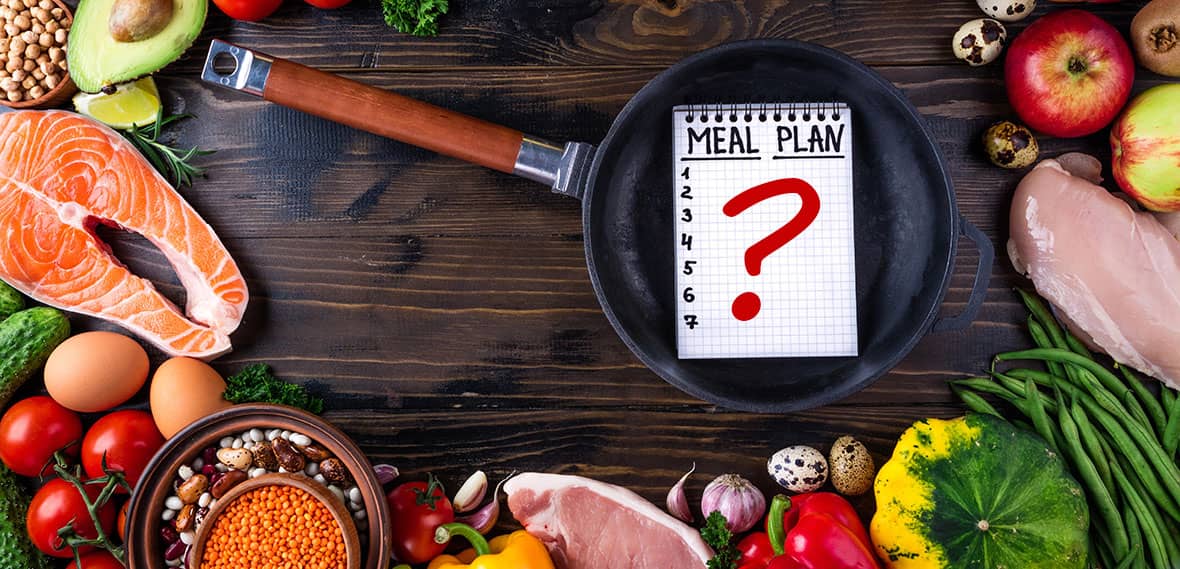
A healthy ketogenic diet focuses on real, nutrient-dense foods that are naturally low in carbohydrates and rich in protein, healthy fats, vitamins, and minerals. Fresh meats, seafood, eggs, non-starchy vegetables, avocados, olive oil, nuts, seeds, and certain dairy products can all play an important role in a balanced ketogenic eating plan.
Rather than asking, “What keto products should I buy?” I encourage patients to ask a much simpler question:
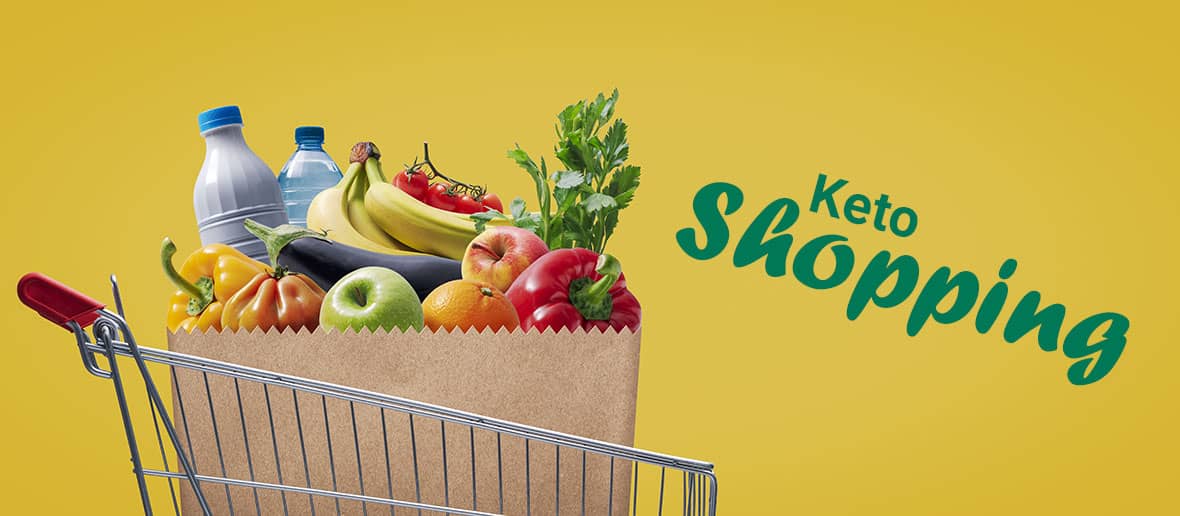
“What real foods should fill my shopping cart?”
Once you understand that principle, grocery shopping becomes much less confusing.
Before You Fill Your Shopping Cart
One of the biggest mistakes new keto dieters make happens before they even prepare their first meal—they assume they need to completely change the way they shop. You don’t. Instead of learning an entirely new way of eating, think about replacing high-carbohydrate foods with healthier low-carbohydrate alternatives. For example:
| Instead of… | Choose… |
|---|---|
| Bread, pasta, rice, and potatoes | Non-starchy vegetables like broccoli, cauliflower, zucchini, asparagus, and leafy greens |
| Sugary breakfast cereals | Eggs, Greek yogurt (plain, full-fat), or leftovers from dinner |
| Column 1 Value | Column 2 Value |
| Chips and crackers | Nuts (in moderation), cheese, olives, or sliced vegetables |
| Sugary drinks | Water, sparkling water, coffee, or unsweetened tea |
| Candy and desserts | Fruit & berries in moderation, or simply skip dessert altogether |
Patients often tell me they’re surprised by how quickly this way of shopping becomes second nature. Once you begin focusing on the perimeter of the grocery store—where you’ll typically find fresh produce, meat, seafood, eggs, and dairy—you’ll naturally spend less time in the aisles filled with highly processed foods.
You don’t need to buy everything at once. Start with the basics, learn which foods you enjoy, and gradually build a list of healthy keto staples that work for your lifestyle and tastes.
The Best Keto Foods to Put in Your Shopping Cart
The easiest way to shop for a ketogenic diet is to think in terms of whole foods, not specialty products. Rather than searching for foods labeled “keto,” focus on foods that are naturally low in carbohydrates and rich in nutrients. Here’s what I recommend most often to my patients.
Meat, Poultry & Seafood
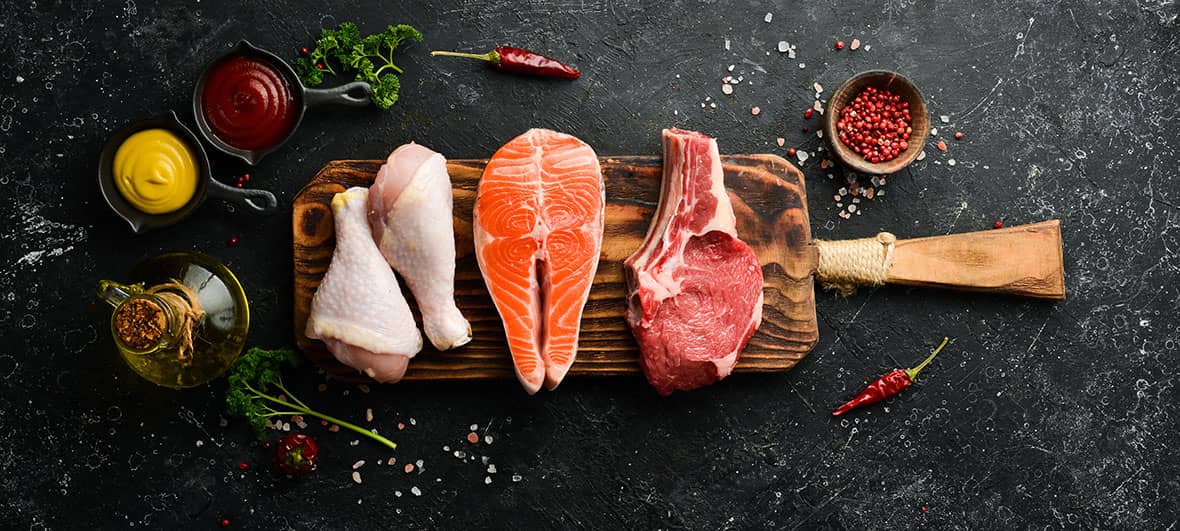
Fresh meat, poultry, and seafood form the foundation of many successful ketogenic diets. They’re naturally low in carbohydrates, rich in protein, and provide many of the vitamins and minerals your body needs.
Excellent choices include:
- Beef
- Chicken
- Turkey
- Pork
- Lamb
- Salmon
- Sardines
- Tuna
- Shrimp
- Shellfish
Fatty fish such as salmon, sardines, and mackerel deserve special mention because they also provide heart-healthy omega-3 fatty acids.
Whenever possible, choose minimally processed meats. While bacon, sausage, and deli meats can fit into a ketogenic diet, they shouldn’t become your primary protein sources.
Eggs
If I had to recommend one nearly perfect ketogenic food, eggs would be near the top of the list. They’re affordable, versatile, naturally low in carbohydrates, and provide high-quality protein along with healthy fats, vitamins, and minerals.
Whether they’re scrambled, boiled, poached, or made into an omelet, eggs make an excellent breakfast, lunch, dinner, or snack. They’re also one of the easiest ways for people new to keto to prepare satisfying meals without relying on processed convenience foods.
Non-Starchy Vegetables
One of the biggest myths about the ketogenic diet is that you stop eating vegetables. Nothing could be further from the truth.
In fact, non-starchy vegetables should fill a significant portion of your plate. They provide fiber, vitamins, minerals, antioxidants, and volume that helps meals feel satisfying without adding large amounts of carbohydrates.
Some of my favorite choices include:
- Spinach
- Kale
- Romaine lettuce
- Broccoli
- Cauliflower
- Brussels sprouts
- Asparagus
- Zucchini
- Green beans
- Cucumbers
- Mushrooms
- Bell peppers
- Cabbage
The goal is to choose vegetables that are naturally lower in carbohydrates while limiting starches such as potatoes, corn, peas, and most winter squash.
Healthy Fats
Healthy fats provide much of the energy on a ketogenic diet (see our article on How Much Fat Should You Eat on a Keto Diet?). The goal is not to consume as much fat as possible. The goal is to eat enough healthy fat to stay satisfied while allowing your body to burn stored body fat.
Some of the healthiest fat sources include:
- Extra-virgin olive oil
- Avocados
- Avocado oil
- Olives
- Coconut
- Coconut oil
- Nuts and seeds
- Natural nut butters (in moderation)
Choose these foods because they’re nutritious, not simply because they’re high in fat.
Dairy
Full-fat dairy products can fit nicely into a ketogenic diet, provided you tolerate them well. Good options include:
- Natural cheeses
- Plain full-fat Greek yogurt
- Cottage cheese (check carbohydrate content)
- Heavy cream in moderation
- Butter or ghee
One thing I remind patients of is that dairy is easy to overeat. Cheese in particular is one of those foods where a serving can quietly become three servings. Enjoy it, but pay attention to portions.
Nuts & Seeds
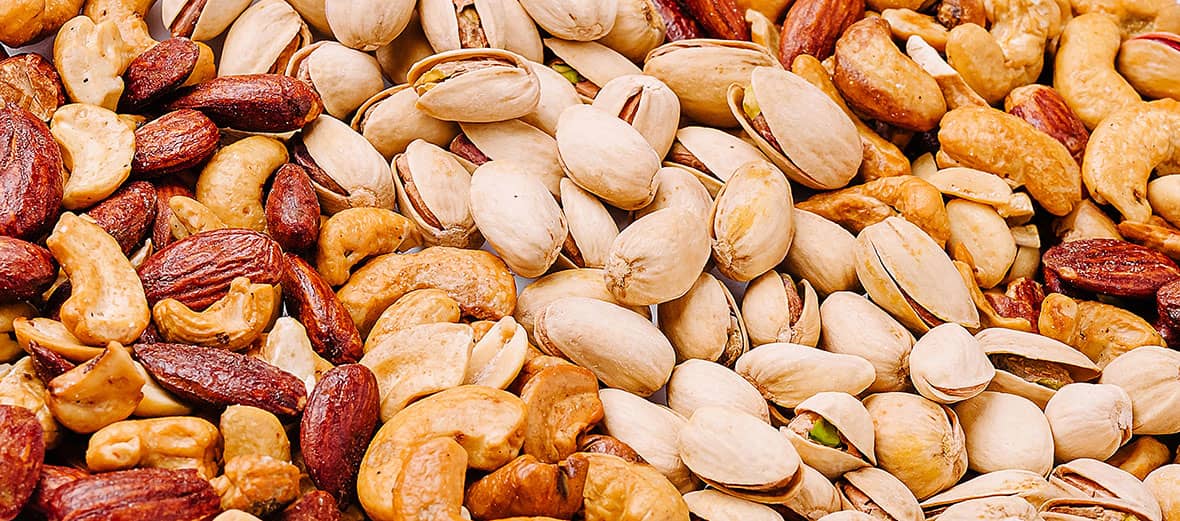
Nuts and seeds provide healthy fats, fiber, minerals, and satisfying crunch, making them an excellent addition to many ketogenic diets. Some of the best choices include:
- Almonds
- Macadamia nuts
- Pecans
- Walnuts
- Pumpkin seeds
- Chia seeds
- Flaxseed
Like cheese, however, nuts are extremely easy to overeat.
If you know you’ll eat half the container instead of a handful, it may be better not to keep them within easy reach.
That’s not because nuts are unhealthy. It’s because successful weight loss often comes down to knowing your own habits and making choices that support them.
Fruit
Many people assume fruit is completely off-limits on a ketogenic diet. That’s not true. The key is choosing fruits that are naturally lower in carbohydrates and watching portion sizes. Berries are generally the best choice, including:
- Strawberries
- Blueberries
- Raspberries
- Blackberries
These fruits provide fiber, antioxidants, and important nutrients while containing fewer carbohydrates than tropical fruits or fruit juices. Higher-sugar fruits such as bananas, grapes, mangoes, and pineapple can make it much more difficult to stay within your daily carbohydrate target and are generally best reserved for people who are no longer following a strict ketogenic diet.
Beverages
The best beverage choices are also the simplest. Water should be your primary source of hydration, but you can also enjoy:
- Sparkling water
- Coffee
- Unsweetened tea
- Mineral water
During the first week or two of a ketogenic diet, some people also benefit from increasing their electrolyte intake as their bodies adapt to lower carbohydrate intake. If you’d like to learn more, see our article on Keto Flu: What It Is, Why It Happens, and How to Feel Better Faster.
Alcohol deserves special mention. While some low-carbohydrate alcoholic beverages can fit into a ketogenic diet occasionally, alcohol can slow weight loss, lower inhibitions around food choices, and contribute unnecessary calories. If your primary goal is losing weight, limiting alcohol is often one of the easiest ways to improve results.
Don’t Let Marketing Fool You
One of the biggest changes I’ve seen over the past several years is the explosion of foods marketed specifically to people following a ketogenic diet. Walk through almost any grocery store or browse online, and you’ll find keto cookies, keto chips, keto bread, keto cereal, keto candy, keto ice cream, keto snack bars, and countless other products promising to make keto easier.
While some of these products can fit into a ketogenic eating plan, it doesn’t necessarily make them healthy. One of the easiest mistakes to make is assuming that if a package says “keto,” it’s automatically a good choice. In reality, many of these products are still highly processed and often contain refined ingredients, sugar alcohols, preservatives, or unnecessary additives. Others are surprisingly high in calories, making it easy to overeat without realizing it.
I encourage patients not to build their diet around products with a “keto” label. Instead, build your diet around real food.
It’s like I mentioned earlier, the healthiest foods in the grocery store usually don’t need a marketing label. Eggs don’t say “keto.” Neither do salmon, broccoli, avocados, spinach, or olive oil. Yet those are some of the best foods you can eat on a ketogenic diet.
Convenience products aren’t automatically off-limits. They can occasionally help when you’re traveling, short on time, or need a quick snack. But they should supplement your diet, not become your diet.
If you spend most of your time shopping around the perimeter of the grocery store, where you’ll find fresh produce, meat, seafood, eggs, and dairy, you’re already making many of the right choices.
From Dr. Lipman’s Practice
One of the first questions patients ask me is, “What should I buy at the grocery store?”
They’re often expecting a long shopping list filled with specialty keto products. Instead, I tell them to keep it simple.
My shopping cart would probably look much like anyone else’s who is trying to eat a healthy diet. It would include fresh meat, poultry, seafood, eggs, plenty of non-starchy vegetables, avocados, olive oil, berries, plain Greek yogurt, and a few other staples. The biggest difference isn’t what I’m adding to the cart, it’s what I’m leaving out, like bread, pasta, rice, sugary drinks, and highly processed snack foods.
Over the years, I’ve found that patients who do the best aren’t the ones buying the most products labeled “keto.” They’re the ones who learn to prepare simple meals using real, wholesome ingredients. Once that becomes a habit, grocery shopping gets easier, meal planning becomes less stressful, and the ketogenic diet becomes much more sustainable.
Ready to Start the Keto Diet?
Knowing which foods to buy is one of the first steps toward success on a ketogenic diet, but creating a nutrition plan that fits your health needs and weight-loss goals is just as important.
Dr. Richard Lipman’s medically supervised Keto Diet Program takes the guesswork out of keto by providing individualized guidance, practical meal planning, and ongoing support based on your medical history, lifestyle, and long-term goals. Instead of following a one-size-fits-all food list, you’ll have a plan that’s designed specifically for you.