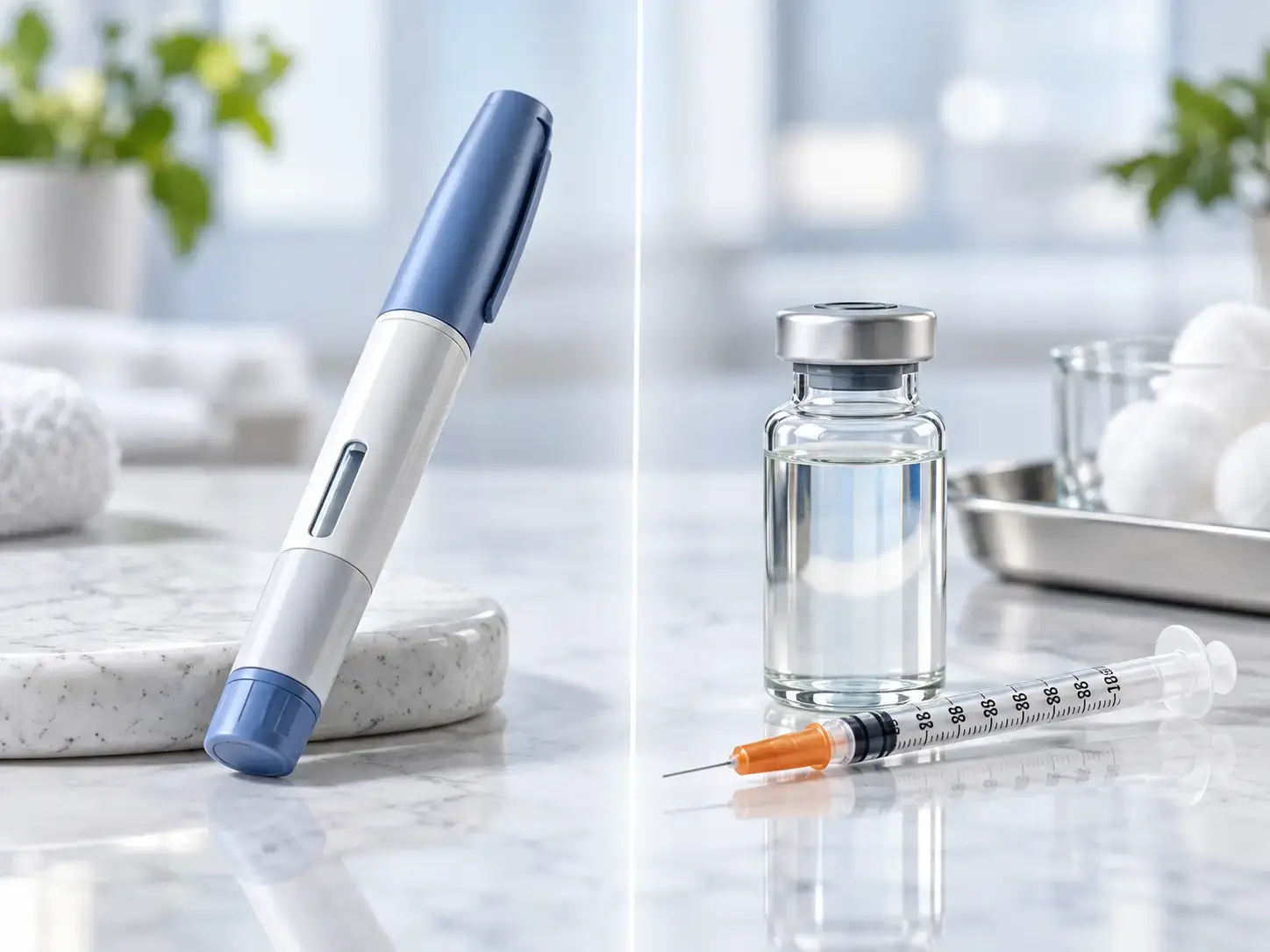

GLP-1 medications do not selectively burn muscle, but rapid weight loss can include some loss of lean body mass. That happens with most substantial weight loss, whether it comes from medication, dieting, or bariatric surgery. The goal is to make sure most of the weight coming off is fat while preserving strength, function and as much muscle as possible.
This is important because semaglutide and tirzepatide can reduce appetite so effectively that some patients unintentionally eat too little protein and too little total food. When that is combined with little or no resistance exercise, muscle loss typically accelerates.
How Much Lean Mass Is Lost With GLP-1 Weight Loss?
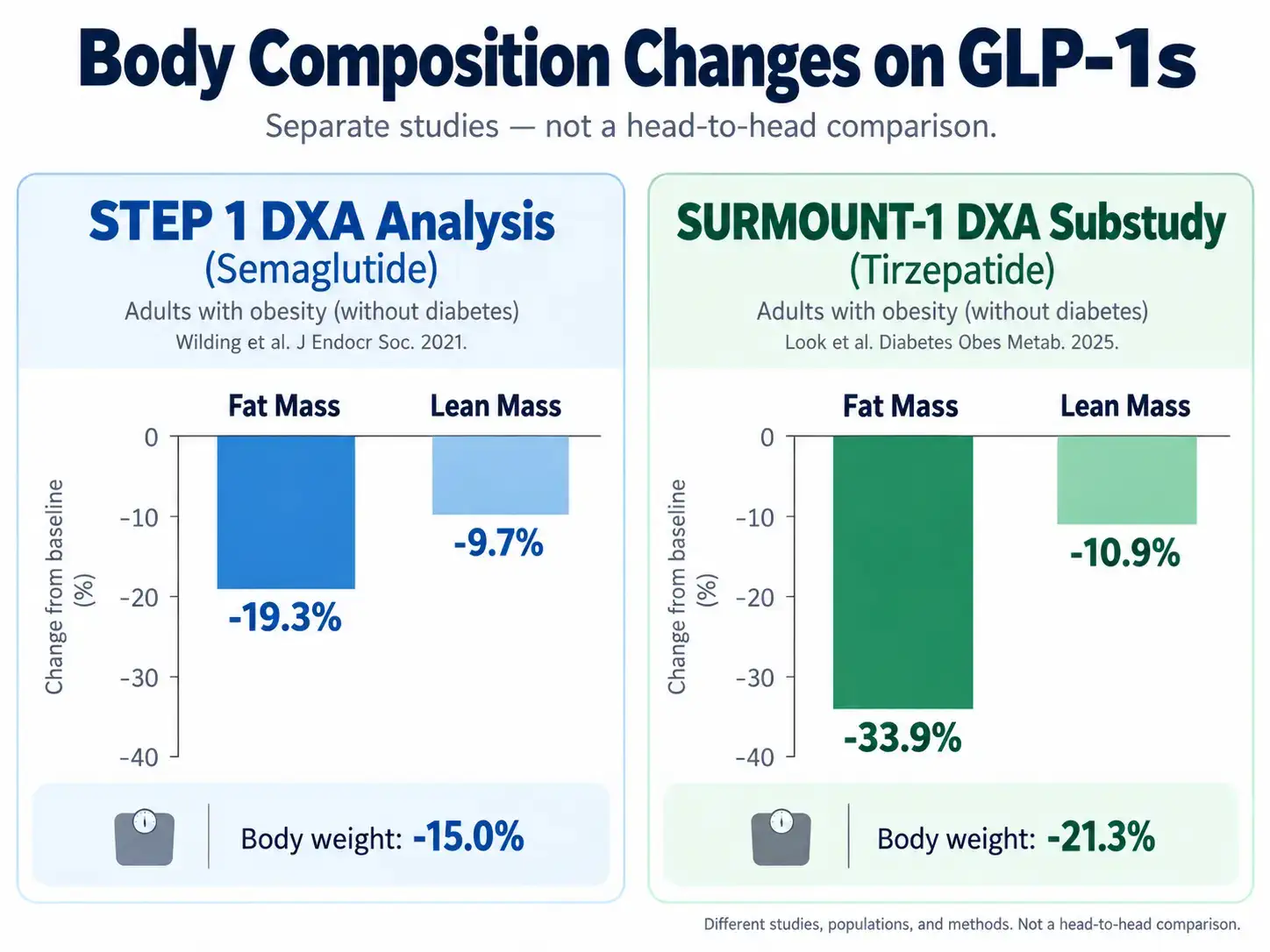
Body-composition studies give a more useful answer than the alarming headlines. In an exploratory DXA analysis from STEP 1, people taking semaglutide lost 15.0% of body weight. Total fat mass fell 19.3%, visceral fat mass fell 27.4%, and lean body mass fell 9.7%. Even though absolute lean mass decreased, lean mass made up a larger percentage of the remaining body weight because fat loss was greater.
The SURMOUNT-1 DXA substudy found a similar pattern with tirzepatide. At 72 weeks, body weight fell 21.3%, fat mass fell 33.9%, and lean mass fell 10.9%. About 75% of the weight lost was fat and about 25% was lean mass.
Those numbers do not show a unique muscle-wasting effect from GLP-1 treatment. They show that major weight loss changes both fat and lean tissue. The clinical question is whether we can improve that ratio and preserve muscle function while the patient is losing weight.
Why Muscle Preservation is Important
Muscle is not just cosmetic. It contributes to strength, balance, mobility, glucose disposal and daily energy expenditure. Losing a large amount of weight while becoming weaker is not a good outcome, particularly in older adults or anyone starting with low muscle mass.
A lower body weight will naturally require fewer calories. If a patient also loses unnecessary muscle and becomes less active, maintaining the new weight can become harder. This is one reason I consider muscle preservation part of long-term weight maintenance rather than a separate fitness issue.
Protein Is Important, but Protein Alone Is Not Enough
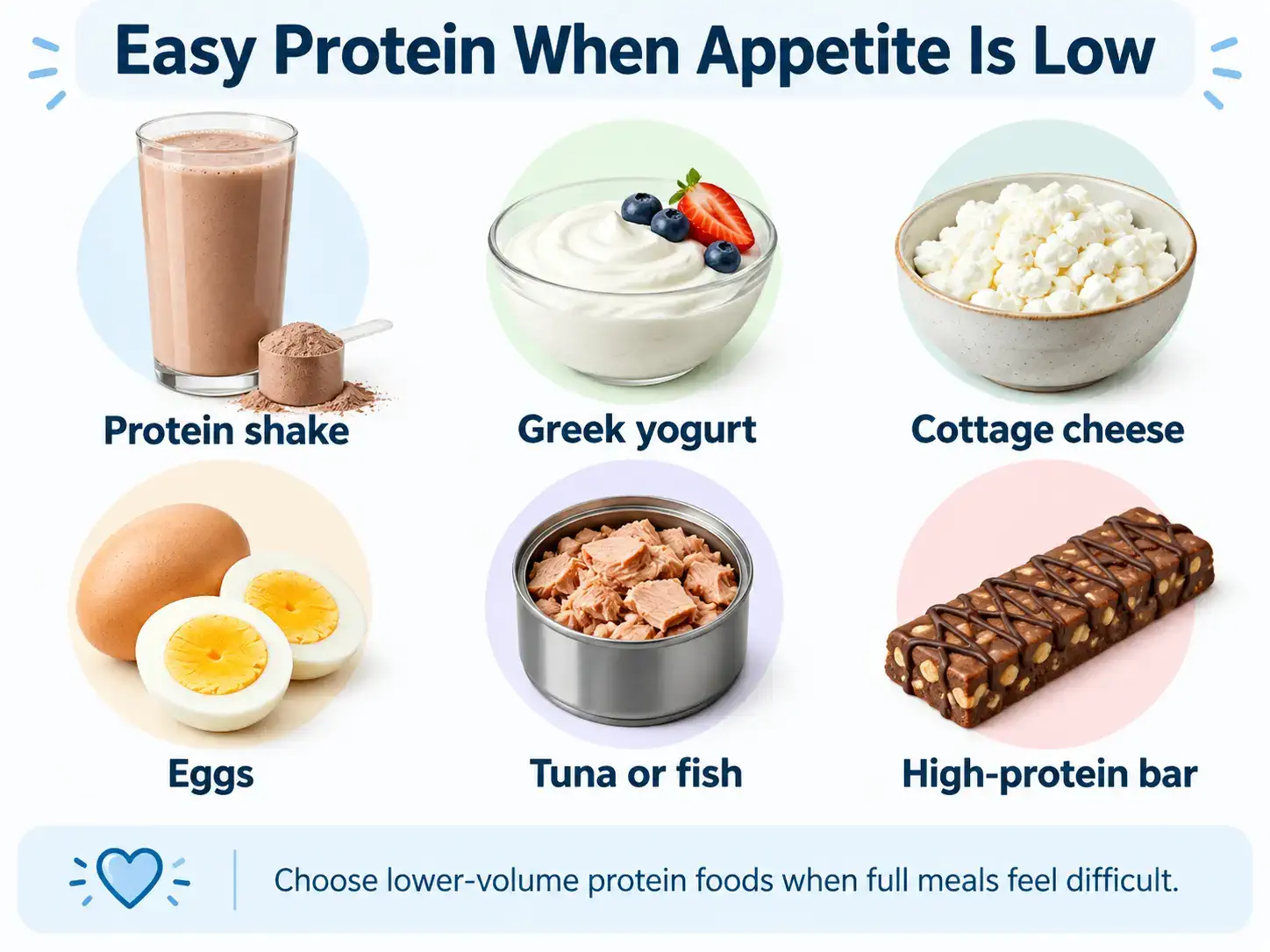
When appetite is low, protein should usually be given priority. The 2025 joint advisory from major obesity, nutrition and lifestyle-medicine organizations specifically recommends adequate protein intake during GLP-1 treatment and notes that some patients may benefit from protein shakes, bars or other fortified foods when normal meals become difficult.
The same advisory also makes an important point: simply eating more protein does not replace resistance training. Muscle needs both building material and a reason to stay. Strength training provides that signal.
- Eat the protein portion of the meal first when appetite is limited.
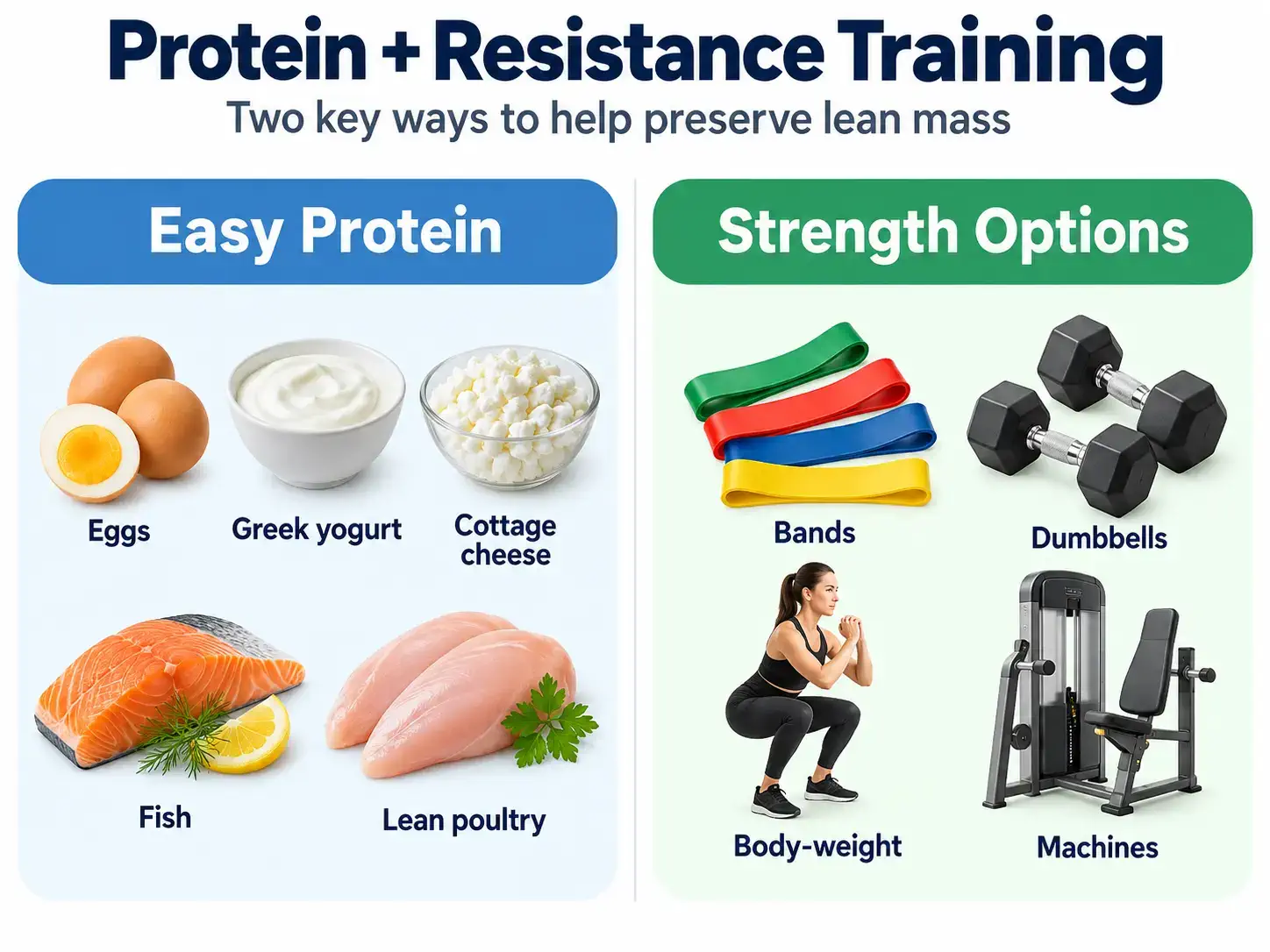
- Use lower-volume protein foods such as eggs, Greek yogurt, cottage cheese, fish or lean poultry when large meals are unappealing.
- Use a protein shake or high-protein bar when it solves a practical problem, not as an excuse to live on packaged food.
- Avoid allowing calorie intake to become so low that fatigue reduces normal movement and exercise.
Resistance Training Is the Other Half of the Plan
Walking is excellent for cardiovascular health and helps with weight maintenance, but it is not the same as resistance training. During active weight loss, strength work gives the body a specific reason to preserve muscle tissue.
The joint advisory recommends regular strength training along with aerobic activity, individualized for the patient’s age, fitness and medical status. That does not mean everyone needs a bodybuilding program. Body-weight exercises, resistance bands, machines or free weights can all work if the resistance is progressively challenging and performed consistently.
Who Needs Extra Attention?
I pay closer attention to lean-mass preservation in older patients, people who have lost weight very rapidly, patients who are eating very little, and anyone who already has weakness or low muscle mass. These patients may benefit from closer nutrition review and, when available, body-composition or functional measurements rather than relying only on scale weight.
Strength, walking speed, ability to rise from a chair and normal daily activity can tell us things the scale cannot. A patient who has lost 40 pounds but feels progressively weaker needs a different conversation than a patient who lost the same weight while becoming more active and stronger.
From Dr. Lipman’s Practice
The practical problem I see with strong appetite suppression is often not overeating. It is that the patient stops eating enough of the foods that provide nessary macro nutrients. Protein intake drops, meals are skipped and fatigue follows. I would rather have a patient deliberately build protein into the day than discover after a large weight loss that strength has fallen along with the scale.
High-protein shakes and bars can be useful when they make that easier, especially for patients who are busy or have very little appetite. They are tools, not the whole diet. I also encourage resistance exercise because protein without muscle use does not solve the entire problem.
The Bottom Line
Some lean mass loss is expected during substantial GLP-1 weight loss, but most of the weight lost in the available body-composition studies was fat. Patients can improve the quality of that weight loss by prioritizing protein, avoiding unnecessary under-eating and performing regular resistance exercise.
Dr. Lipman’s GLP-1 Weight Loss Program combines medication management with nutrition, plateau management and long-term maintenance planning rather than treating the number on the scale as the only outcome.