
Ozempic for Weight Loss in Miami: Safety & Side Effects
by Dr. Richard Lipman, M.D. Reviewed and Updated October 20, 2025
Ozempic for weight loss in Miami: Is it worth taking? Yes! It is worth taking. Ozempic has helped thousands of overweight people and those struggling with obesity turn from losing hope to losing weight. Not just for the past 2 years, but for at least 5-6 years, hundreds of my overweight diabetic patients have used it for glycemic control and weight loss. Just ask our patients! We all know that excess weight can lead to weight-related health conditions such as Type 2 Diabetes, problems with blood sugar regulation, heart disease, and other chronic conditions. Since there are so many people in the U.S. who suffer from diabetes, a medication that lowers blood sugar is beneficial. Risks cannot always be eliminated, but this drug mitigates risks. So, when nutrition and exercise are insufficient to reach your long-term goals, consider consulting your doctor about Ozempic.
“Diabetes is increasing at an alarming rate in the United States. According to the CDC’s (Centers for Disease Control) National Diabetes Statistics Report for 2022, cases of diabetes have risen to an estimated 37.3 million.”
How Much Weight Can You Lose on Ozempic
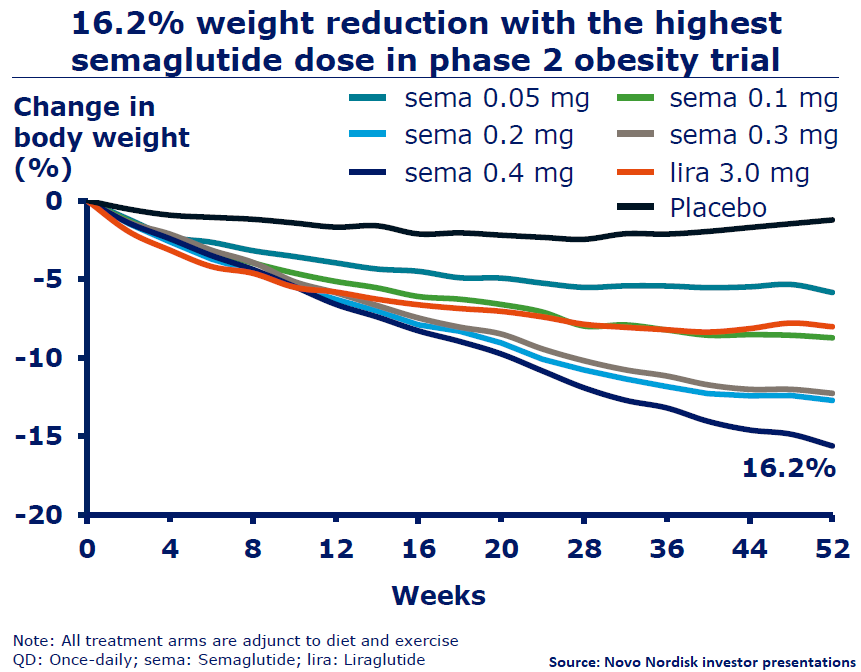
Clinical trials have shown that adults can lose 15-20% of their starting weight.
How Quickly Does Ozempic Work for Weight Loss?
Ozempic is a medication that helps most people reduce body weight within a few weeks. Many patients lost weight within the first 2 weeks after starting Ozempic.
How much weight can you lose in a month with Ozempic?
Within a month, adults have reported up to a 5-7% loss from their starting weight while taking Ozempic. Medical professionals report increased benefits in 6-8 weeks after starting this medication. The same results can be achieved with oral medication like Rybelsus. wH
What are the Benefits of Weight Loss with all GLP-1, including Ozempic?
The Impact of Weight Loss on Chronic Health Conditions: Comparing Methods
Weight loss, even as little as 5–10% of body weight, can lead to dramatic improvements in several chronic conditions, including high blood pressure, arthritis, heart disease, and lung problems. However, the method of weight loss—whether through traditional lifestyle changes, medications (pills or GLP-1s), or bariatric surgery—can influence the speed and magnitude of these health improvements.
Standard methods such as diet and exercise can reduce blood pressure, decrease joint stress in arthritis, improve cardiovascular function, and increase lung capacity. However, many patients struggle with long-term adherence, and weight regain is common. Improvements in conditions are gradual and may plateau without sustained lifestyle change.
Weight loss pills (e.g., phentermine, bupropion-naltrexone) offer faster results than lifestyle alone but often come with side effects like elevated heart rate or insomnia. While they may reduce weight and associated blood pressure or inflammation in the short term, long-term data is less robust.
GLP-1 medications (e.g., semaglutide, tirzepatide) have shown not only effective weight loss but also direct improvements in blood pressure, inflammation, and heart health—independent of weight loss. For example, GLP-1s reduce systolic blood pressure, improve arterial health, and lower inflammation markers that worsen arthritis and lung disease.
Surgical interventions, such as sleeve gastrectomy or gastric bypass, offer the most rapid and sustained weight loss. These methods often lead to complete remission of hypertension, improved joint function, lower risk of heart attacks, and even reversal of obesity-related lung problems like sleep apnea. However, surgery carries surgical risks, costs, and lifelong changes in nutrition.
In conclusion, all weight loss methods improve chronic disease, but the extent and speed vary. GLP-1 medications and surgery offer the most significant health benefits, while standard and oral-pill methods require greater patient commitment and may yield more modest outcomes.
Does Ozempic Melt Belly Fat?
Yes, Ozempic does melt belly fat as part of total body fat reduction. According to a study reported by the Endocrine Society, semaglutide (Ozempic, manufactured by Novo Nordisk), used as an obesity medicine, reduced total body fat, including fat in the stomach area. “In adults with obesity or overweight, weekly treatment with the glucagon-like peptide 1 (GLP1) receptor agonist semaglutide leads to reduced excess body fat and increased lean body mass, according to an industry-sponsored study presented virtually at ENDO 2021, the Endocrine Society’s annual meeting.”

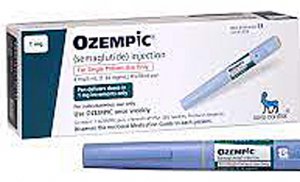
This drug is available to adults in dose strengths of 0.25 mg, 0.5 mg, 1 mg, or 2 mg. It is also administered once weekly.
How Do Semaglutide Medications Affect Blood Sugar?
Our bodies produce a hormone called incretin and semaglutide mimics incretin. Incretin is important for blood sugar regulation because it causes the release of insulin. Insulin facilitates the entry of blood sugar into the cells so our bodies can convert it into energy. Semaglutide also lowers blood sugar by decreasing the production of glucose in the liver. We are at risk for diabetes when this system fails, and the food we eat does not produce the energy we need.
How Does Ozempic Work for Weight Loss?
Ozempic works for weight loss by slowing the speed at which food leaves your stomach. You feel full longer. Semaglutide also influences the hypothalamus, the part of the brain that controls appetite and helps manage emotional responses. You will get a new lease on life when you think about your choices and start eating healthy food.
Does Ozempic Speed Up Your Metabolism?
Yes. While it is not a stimulant, this medication helps break down stored fat and reduces blood sugar swings. The food you’re eating is turning more efficiently into fuel. Think of what you could do with more energy in your cells!
Which Is Better for Weight Loss, Saxenda or Ozempic?
Clinical trials (https://pubmed.ncbi.nlm.nih.gov/35015037/) have determined that Ozempic is better for weight loss than Saxenda, lowers blood sugar more effectively, and has fewer side effects. In addition, Saxenda has to be taken by injection every day. Weight loss is about one-half that seen with Ozempic, Wegovy, and newly approved Zepbound.
What Happens When You Stop Taking Ozempic for Weight Loss?
When you stop Ozempic injections, the active ingredient will begin to leave your system. You will not feel as full after you eat. However, the health improvements after you lose weight often last only a short time. Your increased risk of diabetes, heart attacks, obesity, high blood pressure, stroke, and other chronic conditions remains lower as the drug is eliminated from your body. However, once the 5-6 week elimination period is complete, you can start regaining weight. That weight regain causes high blood pressure, blood sugar, and triglycerides to slowly climb back to pre-treatment levels, and sleep apnea returns as fat mass accumulates in the throat.
Do You Regain Weight After Stopping Ozempic?
There is an increased risk of lost weight being regained; however, the pounds lost don’t have to return. With the help of weight loss drugs, many people, with the guidance of a healthcare professional, have jump-started their weight loss journey and continued their healthy lifestyles. They can also continue taking low doses of semaglutides. Whether it’s Ozempic, Wegovy, Rybelsus, or Mounjaro, every other week or even every 3 weeks, it can be enough to mitigate weight regain.

What is the Best Way to Lose Weight on Ozempic ?
The best way to lose weight on Ozempic is to locate a doctor who specializes in treating obesity and the issues of being overweight. These doctors might also be specialists in internal medicine and/or endocrinology. They will be able to prescribe a weight loss drug that is FDA approved even if it’s being prescribed off label.
How to Take Ozempic: Microdosing and “Clicks.”
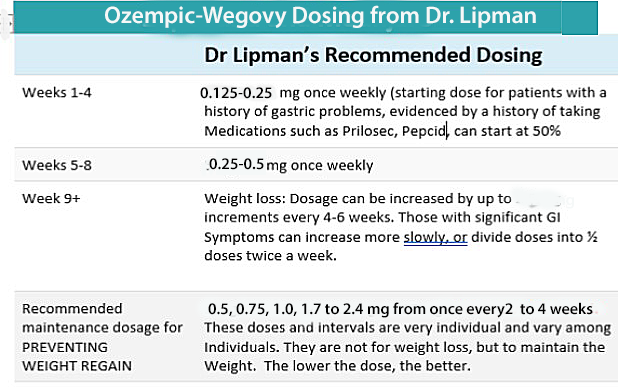
The dose of Ozempic for weight loss and then maintenance will vary from patient to patient. Some patients will need a low dose, such as 0.25 mg, while others will need a higher dose. Medication regulation will also depend upon the presence of comorbidities such as type 2 diabetes, heart disease, high blood pressure, stroke risk, and blood sugar issues. A doctor will also consider their patients’ general health. Obesity medicine is a balancing act! To achieve low doses of Ozempic, many doctors use microdosing. For Ozempic, the dose is determined by turning a wheel at the end of the pen. Microdosing with Ozempic means taking very low doses. Very lose doses are not indicated on some of the pens and is achieved by counting “clicks” as you rotate the wheel. For example, 35 clicks is 0.5 mg, 74 clicks is 1 mg. 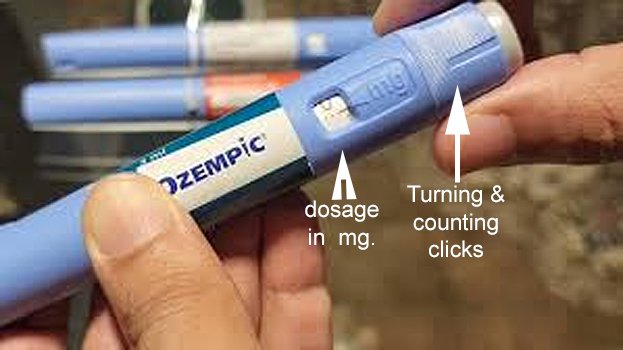
Most people start with 0.25 mg and progressively increase to 2.4 mg. This medication is used subcutaneously. Adults administer it once a week; follow the directions on the package if you miss a dose. But never give yourself two injections on the same day. It’s a good idea to check with your doctor if you have questions about your dose or are experiencing side effects.
How Long Can You Take Ozempic?
As with any drug, responses are subjective and must be considered individually. A doctor will also assess risks versus benefits. Semaglutide, the active ingredient in Ozempic, has been studied by Novo Nordisk since 2008.
In 2017, the FDA approved it as one of the authorized diabetes medications, and in 2021, the FDA approved semaglutide for long-term use in adults for weight management. There are many similarities in terms of comorbidities between people suffering from obesity and people suffering from type 2 diabetes, so that we can draw comparisons.
Smits, Mark M. and Van Raalte, Daniel H. “Safety of Semaglutide” Front Endocrinol (Lausanne), published online Nov. 10, 2021
https://www.ncbi.nlm.nih.gov/pmc/articles/PMC8294388/
“When compared with the beneficial effects of these drugs on glucose metabolism, blood pressure, weight and cardiovascular (and potentially even renal) endpoints, these agents have an overall beneficial risk/benefit-profile for treatment of patients with type 2 diabetes.”
Can a Non-Diabetic Take Ozempic to Lose Body Weight?
Yes, even if you don’t have type 2 diabetes, you can take Ozempic to lose weight.
How to Stop Taking Ozempic
The weeks that follow the elimination of chronic medications can create a difficult adjustment period. Patients should be weaned under medical supervision.

Weight loss with GLP-1– Ozempic.
What Can I Eat While Taking Ozempic?
While taking Ozempic, a nutrition plan to support health would focus on foods that contain protein. You can also eat a large variety of fruits and vegetables: citrus fruits, cantaloupe, apples, berries, peaches, pears, and vegetables that grow above the ground.
Can You Drink Alcohol on Ozempic?
Adults can drink alcohol on Ozempic, but as with most medications, it’s not a good choice. It can also exacerbate some of the most common side effects, such as constipation, nausea, vomiting, and abdominal pain. Even more interesting is the fact that most people gradually decrease their interest in alcohol. Like sweets and fatty foods, Ozempic reduces the desire for these foods and drinks.
What Foods Should Be Avoided on the Ozempic Diet?
Avoid foods that are high in fat and sugar. These foods are detrimental to your diet, health, known heart disease, blood sugar, and type 2 diabetes. These foods travel quickly through your digestive system and quickly turn to fat. No matter what weight loss drugs you use, savvy consumers read food labels!
Can I Lose Weight with Ozempic Without Dieting?
Yes, you can lose weight with Ozempic without dieting. Since this drug causes a feeling of fullness no matter what you eat, you will eat less and lose weight. However, your weight loss might be slower with a poor diet. Also, non-nutritious food choices can lead to increased heart attack risk, type 2 diabetes, and other common illnesses that plague adults.

How To Get Ozempic for Weight Loss
Who is Eligible for Ozempic?
Ozempic is FDA-approved for the treatment of type 2 diabetes. Since many adults who suffer from obesity are at risk for heart disease and type 2 diabetes, health care professionals can prescribe it off-label as an obesity medicine.
How Much Does Ozempic Cost?
Ozempic costs approximately $248.75 a week.
Why Is Ozempic Not Covered by Insurance?
Ozempic is not covered by insurance because it is not an FDA-approved weight loss medication. It is approved for Diabetes and covered.
How To Get Insurance To Cover Ozempic for Weight Loss
It is a good idea to become familiar with the benefits provided by your health insurance provider. If your insurance provider denies coverage, ask your doctor to prescribe Wegovy. The FDA approves it for treating obesity and is also semaglutide. You can also request compounded semaglutide, which is substantially less expensive than the brand-name version and more affordable if you must pay out of pocket. In extreme cases, some attorneys specialize in medical affairs.
Ozempic Side Effects
What Is the Biggest Side Effect of Ozempic?
The most significant side effect of Ozempic is nausea. However, this is more common in the first few weeks and often subsides. Most of the other
side effects are also GI, including pain, vomiting, heartburn, and bloating.
Does Ozempic Affect Your Mood?
Ozempic affects moods in rare cases. For adults, mood swings often depend upon the other medications they might be taking.
What Does Ozempic Do to Your Face?
When weight loss drugs cause rapid weight loss, fat is sometimes lost from the face. This can cause a loosening of the skin and lead to lines and wrinkles. Your healthcare provider may suggest a lower dose of the medication or might recommend changes in diet and exercise.
Is Hair Loss a Side Effect of Ozempic?
As pounds are shed, some people report hair loss. However, there is no evidence that it is caused by this drug.
Who Should Not Take Ozempic?
Don’t take Ozempic if you are pregnant or plan to become pregnant, or have any of the following health issues:
- Type 1 diabetes
- Diabetic retinopathy
- Allergy to semaglutide or any of the ingredients used in this medication
- History of pancreatitis
- Kidney injury
- Kidney disease
- Personal of family history of multiple endocrine neoplasia
- Any form of thyroid cancer, especially Medullary Thyroid Cancer