
Lost Access to Your GLP-1 Medication? Here’s What To Do?
by Dr. Richard Lipman MD Endocrinology,
Reviewed and updated October 26, 2025
Access to GLP-1 medications like Ozempic, Wegovy, or Zepbound or Mounjaro is lost? . In that case, you’re not alone—but there are still proven ways to continue your weight loss journey with the medication or a very similar one. This guide explains how to regain insurance coverage, explore safer alternatives, and maintain your results—with help from Dr. Richard Lipman’s Miami-based telemedicine weight loss program expert and endocrinologist. In the past 3 years, we have had literally hundreds of our patients lose coverage or never even gain coverage for GLP-1 medications. Here is what we have learned to start insurance coverage or regain it.
Here are some of the coupons and assistance websites that may help you get any of the GLP-1 medications at discounts or even free. This changes rapidly, so if yours is not there now, check back in a month. We will have updates of this list.
Many GLP-1 medications offer patient assistance programs to lower the cost of these medications for patients. Currently, Ozempic Savings Program, Victoza Savings Program, Trulicity Savings Program, Rybelsus Savings Program, Mounjaro Savings Program, Zepbound Savings Program, and Wegovy Savings Program are offered by manufacturers of these medications. The Novo Nordisk patient assistance program (PAP) also offers free Ozempic and Rybelsus to eligible individuals.
Before Switching from Ozempic to Wegovy
Ozempic and Wegovy have the same active ingredient, semaglutide, but differ in dosage and indications. Ozempic is mainly used for managing type 2 diabetes and reducing the risk of cardiovascular diseases, while Wegovy is used for weight loss in obese and overweight patients. Ozempic is used off-label for weight management, whereas Wegovy is FDA-approved for this purpose.
If you plan to lose weight, Wegovy may be a better choice than Ozempic. Wegovy is available in a higher-strength formulation, 2.4 mg once weekly, which may be more effective for weight loss.
If you are already taking Ozempic, you can easily switch to Wegovy after consulting with your healthcare provider. They may switch directly to Wegovy and increase the dosage afterward. Since Wegovy has the same active ingredient as Ozempic, there is no gap in treatment, and you can start taking Wegovy on your next scheduled injection day. Okay, all right. Hi, good morning, how are you? Good, you notice that I’Mounjaro meeting with Ron? So she, you want an outline of the dosages, right? Yeah, I’Mounjaro gonna go over with him. All right, okay. Nothing, what? I’Mounjaro fine, I’Mounjaro fine. Yeah, I had a nice day, thanks. It was kind of fun, different people. Yep, if you were home all day long, it would be a treat to go in, trust me. Okay, all right. I’ll talk about that later.
If you have skipped two or more doses, your provider will typically not make a direct switch. Instead, they will start the medication from the starting dose and titrate it gradually.
Always Start with Medical Records—Especially Reviewing Information You or Your Doctor Have Sent to the Insurance Company
Examine all the documents in your files to determine what the insurance company has received. Then, if you have a primary doctor or have seen a specialist, go to the doctor’s office and get a copy of his records and bring them to the prescribing physician. Have a 15-minute review of the paperwork with the doctor. I know this sounds like a lot of trouble, but remember, these medications may cost over $1000 a month and may have to be taken for a long time—so it’s worth the effort.
Navigate the Insurance System to Regain Insurance for Lost Coverage
Appeal Denials with Persistence
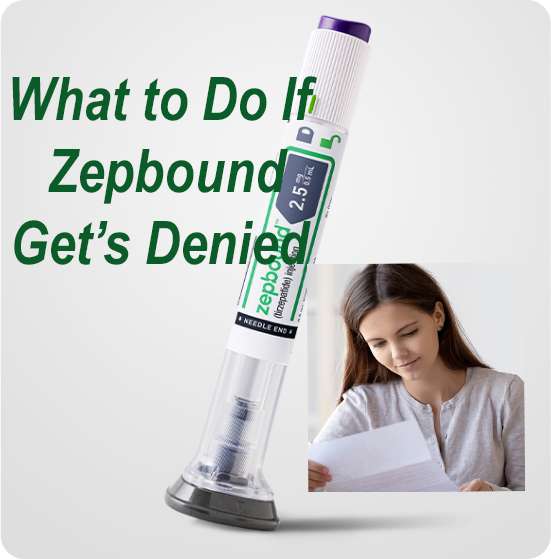
Often the best starting approach is APPEAL Then ,APPEAL- APPEAL and APPEAL. Some patients, like J.S. of Ft Myers, Fl. regained access to Zepbound by persistently appealing his insurance denial. After repeated calls and mixed messages, he was finally advised to submit a new prior authorization—even though he already had one. We submitted the request, added more personal information, such as prior diets—successful or not—medications used in the past, and attempts at sports teams, and the medication was re-approved. There are multiple online companies that will help you with the very important appeal process. Take a look at GET Claimable .com or Honest Care.
The Affordable Care Act granted all Americans the right to challenge coverage denials for medication and procedures by health insurance companies through the appeals process. Yet nearly 15 years after the Affordable Care Act became law, 69% of Americans are unaware of their right to appeal, and 85% of Americans have never filed an appeal because they don’t know how or are overwhelmed by the process.
Supplement the Diagnosis with Recognized Co-Morbidities –if Medically Appropriate
GLP-1 drugs are FDA-approved for more than just weight loss, including type 2 diabetes, cardiovascular disease, and sleep apnea. A revised diagnosis may make your prescription eligible for coverage. Could you work with your doctor to see if one applies to your health status? M. M. in our office weighed 182 lb with a height of 5 ft 5 in. She had a BMI of 30.28, a very borderline number. She had sleep apnea as well. We sent her to a sleep laboratory and received a report confirming this. Sending the 2-page report to her insurance company was enough to reinstate her Zepbound coverage.
S.S. of Avon Park, FL had lost over 50 lb. But with 50 lbs to go lost hope when he was denied coverage for his Ozempic. We reviewed his medical records and found that he had undergone cardiac bypass surgery and had two functioning stents 5 years previously. We not only sent the written report, but also added photos of the X-ray showing the stent to his insurance company. He was approved for Wegovy and continued his weight loss. Sidney is an example of changing to another GLP-1 and reviewing the medical history. Then we topped it off with well done reports and pictures.
Learn more about these medications in our guide on semaglutide vs tirzepatide.
Seek Discounts and Manufacturer Savings Programs
Drug makers offer savings cards and cash-pay discounts that reduce monthly costs (around $500/month). These may require vials and syringes instead of pens. These programs are limited in duration and eligibility. Go to the manufacturers ‘ websites. Many pharmaceutical companies have dedicated sections on their websites listing available copay cards, patient assistance programs, and discount coupons for their medications, according to SingleCare. You can usually find these by searching for the specific medication or the manufacturer’s name and then looking for “savings,” “copay card,” or “patient assistance.”
Also explore online resources like GoodRxor SingleCare. These coupons can help reduce your out-of-pocket costs, but eligibility may vary depending on your insurance and the specific coupon requirements.
Weigh the Risks of Compounded GLP-1 Drugs
Some patients turn to compounded versions of semaglutide or tirzepatide. These are not FDA-approved and may vary in quality or safety. Always consult your physician before using any compounded GLP-1 product—especially those purchased online.
Read more on compounded semaglutide safety. .
Consider Microdosing or Tapering
To stretch medication supply, some people reduce their doses or space out injections. This can smooth the transition and slow weight regain, but improper dosing can lead to side effects or dosing errors. Dr. Lipman offers medically guided microdosing of GLP-1 medications as a temporary bridge or long-term maintenance strategy.
Explore Other FDA-Approved Weight Loss Medications
While GLP-1s are highly effective, there are other prescription medications that may help:
- Liraglutide (Saxenda): Older GLP-1, effective for appetite suppression
- Orlistat (Ali, Xenical): OTC fat-blocker, may cause GI side effects
- Contrave (naltrexone-bupropion): Helps with emotional eating
- Phentermine or Qsymia: Stimulant-based, fast-acting appetite suppressants
- Metformin: Off-label for weight control and insulin resistance
Explore options like phentermine and other FDA-approved weight loss pills on our site.
Look Into Weight Loss Surgery
Bariatric surgery is a powerful alternative to GLP-1 medications, especially for those with a BMI over 40 or over 35 with related conditions. In some cases, it offers even more sustained success.
Discuss whether surgery or medication is right for you through our telemedicine weight loss program.
Need Help Finding the Right Path Forward?
Dr. Richard Lipman has helped thousands of patients find effective solutions when GLP-1 medications are no longer covered or tolerated. From medication alternatives to micro-dosing strategies and personalized meal plans, we’re here to help.
Schedule a virtual or in-office consultation today to regain control of your weight and health.
—