What Are Hidden Carbohydrates?
Avoiding bread and sugar is the easy part of a ketogenic diet. Finding the carbohydrates you didn’t know you were eating is often much harder.
The average Keto dieter already knows they should avoid foods like bread, pasta, candy, and sugary drinks. What catches many people by surprise are the carbohydrates hiding in everyday foods like sauces, salad dressings, flavored yogurt, coffee creamers, nuts, and even products marketed as “healthy” or “keto-friendly.”
These hidden sources of carbohydrate can quietly increase your daily intake without you realizing it. If your weight loss has slowed or you’re having difficulty staying in ketosis, they’re often worth a closer look.
Why Hidden Carbohydrates Matter on Keto
For most people, a ketogenic diet requires limiting net carbohydrates to approximately 20 to 30 grams per day, although individual needs vary. That is less than you think, and over 24 hours, it adds up fast. A flavored coffee creamer, bottled salad dressing, barbecue sauce, sweetened yogurt, or even a handful of certain nuts may not seem significant on their own, but they can easily consume most or all of your carb allowance for the day.
The problem usually isn’t one particular food. It’s the total amount of carbohydrate you consume over the course of the day. That’s why learning to recognize hidden carbohydrates is so important. Once you know where they commonly occur, you can make simple substitutions that help you stay in ketosis without making your diet feel restrictive.
The Most Common Sources of Hidden Carbohydrates
Sauces, Dressings, and Condiments
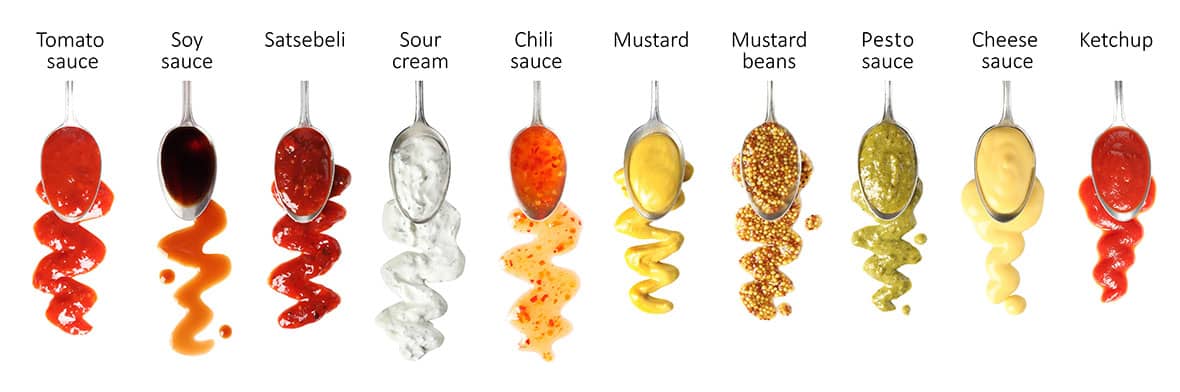
Many people pay close attention to the carbohydrates in their main meal but overlook everything they put on top of it. Condiments and sauces are some of the easiest places for carbohydrates to hide. A grilled chicken breast contains virtually no carbohydrates, but the sweet barbecue sauce covering it could add 10 grams or more. Ketchup, honey mustard, teriyaki sauce, sweet chili sauce, and many bottled salad dressings often contain added sugar or other carbohydrate-rich ingredients.
That doesn’t mean your meals have to be bland. Olive oil and vinegar, homemade dressings, mustard, mayonnaise without added sugar, pesto, and many herb-based sauces can add plenty of flavor while keeping carbohydrate intake low. Whenever you buy bottled sauces or dressings, take a moment to read the Nutrition Facts label. The amount of added sugar may surprise you.
“Healthy” Foods That Aren’t Always Keto-Friendly
Many believe that if a food is healthy (or marketed as healthy), it must also be compatible with a ketogenic diet. That’s not always the case. A large number of nutritious foods contain more carbohydrates than most people realize. Oatmeal, granola, dried fruit, fruit smoothies, sweetened yogurt, honey, and many protein bars can all fit into an otherwise healthy diet, but they may make it difficult to maintain ketosis.
That doesn’t mean these foods are “bad.” It simply means they may not fit your goals while following a ketogenic diet. Always evaluate foods based on your nutritional objectives rather than marketing claims or health trends.
Beverages Count Too
People often focus on the food on their plate while forgetting what they’re drinking. Sugar-sweetened beverages are an obvious source of carbohydrates, but they’re not the only ones. Fruit juice, sweetened coffee drinks, sports drinks, energy drinks, flavored teas, and even some flavored waters can contribute significant amounts of sugar throughout the day. Even beverages that appear healthy may contain enough carbohydrates to interfere with ketosis.
When possible, choose water, sparkling water without added sugar, unsweetened tea, black coffee, or coffee with a small amount of heavy cream or another keto-friendly alternative.
Nuts and Dairy

Nuts and dairy products can be excellent additions to a ketogenic diet, but they’re also easy to underestimate.
Not all nuts contain the same amount of carbohydrates. Cashews and pistachios, for example, generally contain more carbohydrates than macadamia nuts, pecans, or Brazil nuts. Likewise, plain full-fat Greek yogurt may fit into some ketogenic meal plans, while flavored yogurts often contain added sugars that significantly increase their carbohydrate content.
Cheese, nuts, and full-fat dairy don’t need to be avoided, but they should be eaten mindfully. Paying attention to the type of food you choose—and how much you eat—can make it much easier to stay within your daily carbohydrate goal.
Packaged “Keto” and “Low-Carb” Foods
The popularity of the ketogenic diet has led to an explosion of products labeled “keto,” “low carb,” or “net carb friendly.” Some are excellent options. Others rely more on marketing than nutrition. A “keto” label doesn’t automatically mean a product belongs in your shopping cart. Some packaged foods are highly processed, contain questionable ingredients, or provide more carbohydrates than you might expect.
Whenever possible, make real, minimally processed foods the foundation of your ketogenic diet. Eggs, meat, poultry, seafood, vegetables, healthy fats, nuts, and seeds should make up the majority of your meals. Packaged keto products can be convenient from time to time, but they shouldn’t replace whole foods.
Don’t Let Serving Sizes Fool You
Reading the Nutrition Facts label is only half the job. The other half is paying attention to how much a serving actually is. Many products proudly advertise “2 grams of net carbs” or “3 grams of net carbs” on the front of the package. What they don’t emphasize is that those numbers apply to one serving, and the package may contain several servings.
It’s easy to assume an entire bag of keto snack chips, cookies, or trail mix contains only a few grams of carbohydrates, when in reality you’ve eaten three or four servings. Suddenly, those “2 grams of net carbs” become 8 grams or more. The same mistake happens with nuts, cheese crisps, protein bars, and many other packaged snacks. The food itself may fit into a ketogenic diet, but the amount you’re eating may not.
Before looking at the carbohydrate content, always check the serving size. It only takes a few seconds and can prevent one of the most common mistakes people make on a ketogenic diet.
From a practical standpoint, I often recommend portioning out one serving onto a plate, into a small container, or in a resealable bag before you start eating. Then put the original package away. It’s surprisingly easy to keep reaching into a bag while you’re watching TV, scrolling, working, or talking with friends and lose track of how much you’ve eaten.
Read the Nutrition Label, Not the Front of the Package
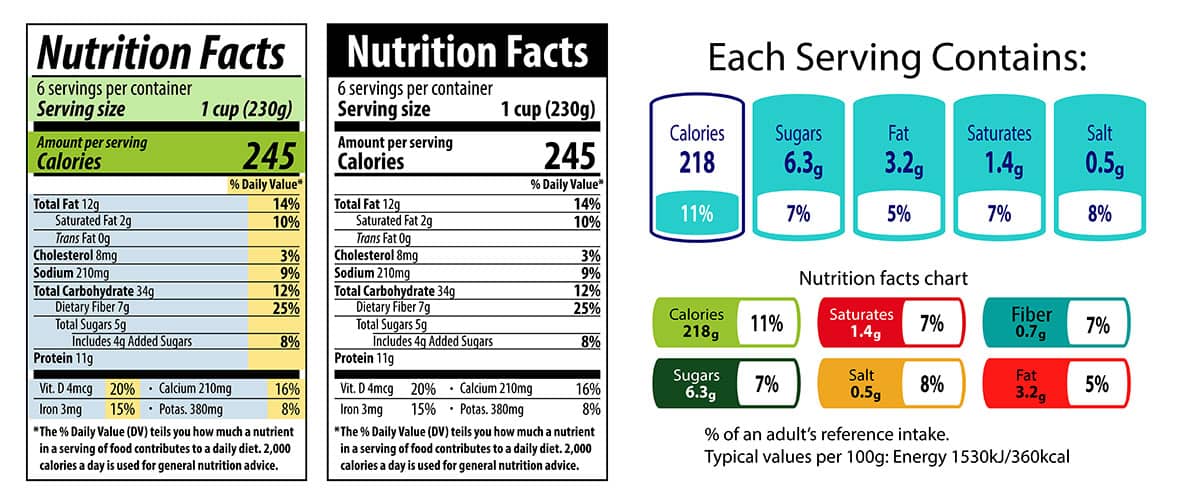
The front of a food package is designed to sell the product. The Nutrition Facts panel is designed to tell you what’s actually in it. Claims like “keto-friendly,” “low carb,” or “sugar free” can be helpful, but they shouldn’t replace reading the label yourself. Taking a moment to review the serving size, total carbohydrates, and ingredient list can help you make better decisions and avoid hidden sources of carbohydrate.
If you’re unsure how to interpret a Nutrition Facts label or calculate net carbohydrates, I’ve covered both topics in detail in my articles on How to Read Nutrition Labels and How to Calculate Net Carbs.
From Dr. Lipman’s Practice
Patients sometimes tell me they’re following their ketogenic diet carefully, yet their weight loss has slowed or they’ve stopped making progress. When we review what they’re eating, the problem often isn’t obvious. It’s a flavored coffee creamer they use every morning. A bottled salad dressing they never thought twice about. A handful of nuts that turns into half the container while watching television. Or several servings of a packaged snack they assumed was “keto” because of what the front of the package said.
The solution usually isn’t eating less. It’s becoming more aware of where carbohydrates are hiding. Once patients recognize those hidden sources, they’re often surprised how a few simple changes can get them back on track.
Common Myths About Hidden Carbohydrates
Myth: If it’s labeled “keto,” I can eat as much as I want.
No. A product can be low in carbohydrates and still contain calories, fat, and protein that contribute to your overall daily intake. More importantly, many packaged keto foods contain multiple servings. Eating the entire package may provide far more carbohydrates than you intended.
Myth: Healthy foods are always keto-friendly.
Not necessarily. Many nutritious foods are naturally higher in carbohydrates. Oatmeal, beans, fruit, granola, and dried fruit can all be part of a healthy diet, but they may not fit within the carbohydrate limits of a ketogenic diet. The question isn’t whether a food is healthy. The question is whether it supports your current goals.
Myth: Hidden carbohydrates don’t really matter.
They do. When you’re trying to stay below approximately 20 to 30 grams of net carbohydrates per day, a few extra grams here and there can add up quickly. That’s why it’s worth paying attention to sauces, beverages, packaged foods, and serving sizes.
Myth: I need to memorize the carbohydrate content of every food.
No. You don’t have to memorize hundreds of numbers. Instead, learn which foods are most likely to contain hidden carbohydrates and develop the habit of checking labels when you’re unsure. After a while, making keto-friendly choices becomes second nature.
Related Reading
Ready to Take the Guesswork Out of Keto?
Hidden carbohydrates don’t have to derail your progress. Once you know where they’re commonly found and develop the habit of reading labels and paying attention to serving sizes, avoiding them becomes much easier.
If you’re looking for a personalized approach to the ketogenic diet, Dr. Richard Lipman’s medically supervised Keto Diet Program provides individualized guidance based on your health, medications, lifestyle, and weight-loss goals. Together, you can develop a plan that’s both effective and sustainable.