When someone tells me, “Keto isn’t working,” I don’t immediately assume the ketogenic diet has failed. I want to know what they’re eating, how much they’re eating, how long they’ve been following the diet, and what has actually happened with their weight.
Sometimes the problem is obvious. Other times, several small habits are working together to slow progress. The important point is that being in ketosis does not guarantee weight loss. A ketogenic diet still must provide appropriate nutrition and create the conditions for your body to use stored fat for energy.
If your weight loss has slowed or stopped, the first step isn’t necessarily to make your diet more restrictive. It’s to figure out what’s getting in the way.
You’re Eating More Carbohydrates Than You Think
You can eliminate bread, pasta, rice, sweets, beer, and other obvious high-carbohydrate foods and still consume more carbohydrates than you realize. Sauces, salad dressings, coffee creamers, beverages, yogurt, nuts, restaurant meals, and packaged “keto” foods can all contribute carbohydrates. Portion sizes are a factor as well. A product containing 3 grams of net carbs per serving contains 9 grams if you eat three servings.
When your daily carbohydrate target is as low as the Keto Diet requires, these amounts add up quickly. If you’re unsure how much carbohydrate you’re actually consuming, track your food for several days and check the serving sizes and Nutrition Facts labels. My guide to Hidden Carbohydrates on a Keto Diet covers the foods and ingredients that are easiest to overlook.
You’re Eating Too Much
Keto can make it easier to eat less because protein and fat tend to make meals more satisfying. But ketosis doesn’t make calories disappear. Many foods commonly eaten on a ketogenic diet are calorie-dense. Cheese, nuts, nut butters, cream, butter, oils, avocados, and packaged keto snacks can add hundreds of calories without requiring a particularly large portion.
You don’t necessarily need to count every calorie. You do need to recognize when portions have gradually become larger or calorie-dense foods are being added throughout the day. This is particularly important when weight loss has stalled. Before cutting carbohydrates even further, take an objective look at how much you’re actually eating.
You’re Treating Fat as a Target Instead of a Tool
A ketogenic diet is high in fat compared with a conventional diet, but that doesn’t mean you should add as much fat as possible. Dietary fat provides energy, makes meals satisfying, and replaces much of the energy that previously came from carbohydrates. If you’re trying to lose body fat, however, some of the energy your body uses needs to come from stored fat, not just the fat on your plate.
Adding butter to coffee, pouring extra oil over meals, eating fat bombs, or adding heavy cream simply to reach a particular macro percentage can provide calories you don’t need. Eat enough fat to make your diet satisfying and sustainable. Don’t treat fat as a number you have to maximize. I discuss this in greater detail in How Much Fat Should You Eat on a Keto Diet?
You’re Not Eating Enough Protein
Some keto dieters deliberately restrict protein because they’re worried that eating too much will interfere with ketosis. Taking that idea too far can create another problem. Adequate protein helps preserve lean muscle while you’re losing weight and can make meals more satisfying. A ketogenic diet shouldn’t be a high-protein free-for-all, but protein shouldn’t be minimized either.
Your needs vary with factors such as body size, age, activity level, and health. The practical objective is to eat enough protein to meet those needs while keeping carbohydrates appropriately low. For a broader explanation of how protein fits alongside carbohydrates and fat, see Keto Macros Explained: How Much Fat, Protein, and Carbs Do You Need?
You’re Relying Too Heavily on “Keto” Products
There are now keto versions of almost everything: bread, cookies, cereal, ice cream, snack bars, chips, shakes, and desserts. Some of these products can be useful when you want something convenient, but a “keto” label doesn’t automatically make a food nutritious or helpful for weight loss. Packaged keto foods can still be calorie-dense, easy to overeat, and more processed than the whole foods they replace.
Use these products for convenience when they fit your diet, but don’t build your diet around them. Meat, seafood, eggs, vegetables, healthy fats, and other minimally processed foods should provide most of what you eat.
You’re Drinking Your Carbohydrates and Calories
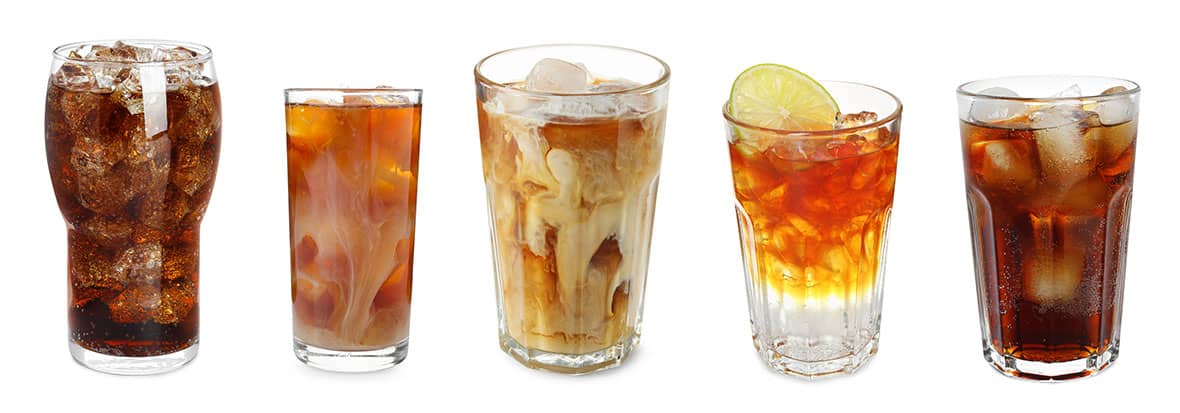
What you drink can work against your weight-loss efforts just as easily as what you eat. Sweetened coffee drinks, flavored creamers, juice, smoothies, sports drinks, and alcoholic beverages can add carbohydrates or calories without providing the same satisfaction as a meal.
Alcohol deserves particular attention. Some alcoholic drinks contain substantial carbohydrates, while others contain very little. But even a low-carb alcoholic drink still contains calories, and your body prioritizes metabolizing alcohol while it is present.
Keto doesn’t mean you must drink nothing but water for the rest of your life. Just make sure the beverages you’re consuming are included when you evaluate your overall diet, carb, and calorie intake.
You’re Snacking When You’re Not Hungry
A snack doesn’t become harmless simply because it’s keto-friendly. Nuts, cheese, nut butter, Keto chips, and packaged keto snacks are easy to eat while watching television, working, driving, or simply because they’re available. If you aren’t hungry, those snacks are adding energy your body didn’t ask for.
Before reaching for something between meals, ask yourself whether you’re actually hungry or simply eating out of habit. One advantage of a well-planned ketogenic diet is that many people feel satisfied for longer between meals. Take advantage of that rather than assuming you need to eat every few hours.
You’re Expecting Ketosis to Guarantee Weight Loss
Ketosis tells you that your metabolism has shifted toward using fat and ketones for fuel. It does not tell you how much body fat you’re losing. That’s an important distinction. You can be in nutritional ketosis while consuming enough dietary energy to maintain your current weight. Likewise, a higher ketone reading doesn’t necessarily mean you’re losing weight faster.
Ketosis is part of how the diet works. It isn’t the final objective if you’re following keto for weight loss. This is also why I don’t recommend chasing higher ketone readings simply for the sake of producing a bigger number. I discuss when testing is useful, and when it isn’t, in Should You Test Your Ketones on a Keto Diet?
You’re Expecting Weight Loss to Be Linear
Your weight will not decrease by the same amount every week. Early in a ketogenic diet, weight can fall quickly as your body uses stored glycogen and releases the water stored with it. After that initial period, weight loss usually slows because you’re no longer seeing the same water loss. Day-to-day changes on the scale can also reflect hydration, sodium intake, digestion, and other normal fluctuations. A few days without a lower number does not necessarily mean you’ve reached a plateau.
Look at the trend over weeks rather than reacting to every weigh-in. If your weight truly hasn’t changed for an extended period, then it makes sense to review your diet and determine whether something needs to change.
You’re Trying to Make Keto Perfect
The more rules you add to a diet, the harder it can become to follow. You don’t need perfect macro percentages, expensive supplements, specialty foods, constant ketone testing, or complicated recipes to follow a ketogenic diet successfully. Get the fundamentals right first: keep carbohydrates appropriately low, eat adequate protein, use fat to satisfy hunger, and choose nutritious foods most of the time. Precision can be useful when there’s a specific reason for it. Complexity for its own sake usually isn’t.

The Diet Doesn’t Fit Your Life
A diet can work perfectly on paper and still fail if you can’t realistically follow it. Work schedules, travel, family meals, restaurants, social events, food preferences, and the amount of time you have to cook all affect what you can maintain. If following keto requires you to prepare separate meals for your family, avoid every restaurant, or spend hours planning food each week, eventually you may stop following it.
That doesn’t mean you lack willpower. It means your eating plan needs to work in your actual life. I would rather have a patient follow a practical plan consistently than attempt a “perfect” ketogenic diet for three weeks and abandon it.
When the Problem May Not Be Your Diet
Sometimes you’ve addressed the obvious problems and the scale still isn’t moving. Medications, medical conditions, sleep, stress, physical activity, age, and changes in metabolism can all affect weight management. Some medications in particular can increase appetite, alter glucose metabolism, cause fluid retention, or contribute to weight gain.
If you’ve been following your diet consistently and aren’t seeing the results you would reasonably expect, simply eating less or cutting carbohydrates further may not be the right answer. This is a good time to involve your physician, particularly if you have a medical condition or take prescription medications. The next step should be figuring out why you’re not progressing, rather than automatically making the diet more restrictive or assuming that it doesn’t work.
From Dr. Lipman’s Practice
When a patient tells me keto has stopped working, I don’t start by giving them a stricter diet. I review what they’re actually eating. We look at carbohydrates, portions, protein, high-calorie foods, beverages, snacking, and how their weight has changed over time. I also consider medications and medical issues that could be affecting their progress. Usually, we’re looking for a specific problem we can correct. That’s a much more useful approach than abandoning the diet, buying another supplement, or cutting out more foods without knowing what you’re trying to fix.
What to Do When Keto Isn’t Working
If your weight loss has stalled, work through the basics before making major changes:
- Verify your carbohydrate intake. Track it for several days rather than estimating.
- Review your portions. Pay particular attention to calorie-dense foods such as nuts, cheese, oils, cream, and packaged snacks.
- Make sure you’re eating enough protein.
- Look at beverages and snacks. Count what you’re drinking and notice whether you’re eating between meals because you’re hungry or simply out of habit.
- Stop chasing perfect macros or ketone readings. Concentrate on the behaviors that actually affect your progress.
- Give the scale enough time. Look for a genuine trend rather than reacting to normal daily fluctuations.
- Consider medical factors. If the fundamentals are in place and you’re still not progressing, talk with your physician.
The purpose of troubleshooting isn’t to make keto stricter. It’s to identify the reason your progress has slowed and correct that specific problem.
Related Articles
When You Need Help Figuring Out What’s Wrong
If you’ve been following a ketogenic diet but aren’t getting the results you expected, making the diet more extreme isn’t always the solution. Dr. Richard Lipman’s medically supervised Keto Diet Program takes a closer look at what you’re eating, your medications, health history, lifestyle, and weight-loss progress to identify what’s getting in the way and develop an approach you can realistically maintain.