The Right Amount of Fat Can Help You Lose Weight, but Too Much Can Slow You Down
One of the biggest misconceptions about the ketogenic diet is that you should eat as much fat as possible. While dietary fat is an essential part of a ketogenic diet, more isn’t always better—especially if your goal is weight loss.
Fat serves an important purpose on a ketogenic diet. It helps your body enter and maintain ketosis, provides a steady source of energy, promotes satiety, and supports many normal hormonal and metabolic functions. However, it’s entirely possible to eat more fat than your body needs. When that happens, your body may burn the fat you’re eating instead of the body fat you’re trying to lose.
That’s why I encourage patients to think about fat differently than many popular keto websites do. The goal isn’t to maximize fat intake, it’s to consume enough healthy fat to stay satisfied, maintain ketosis, and allow your body to burn its own fat stores.
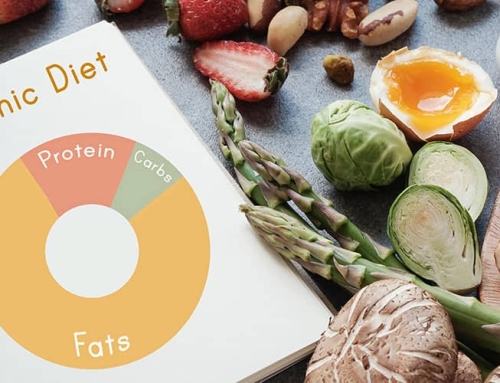
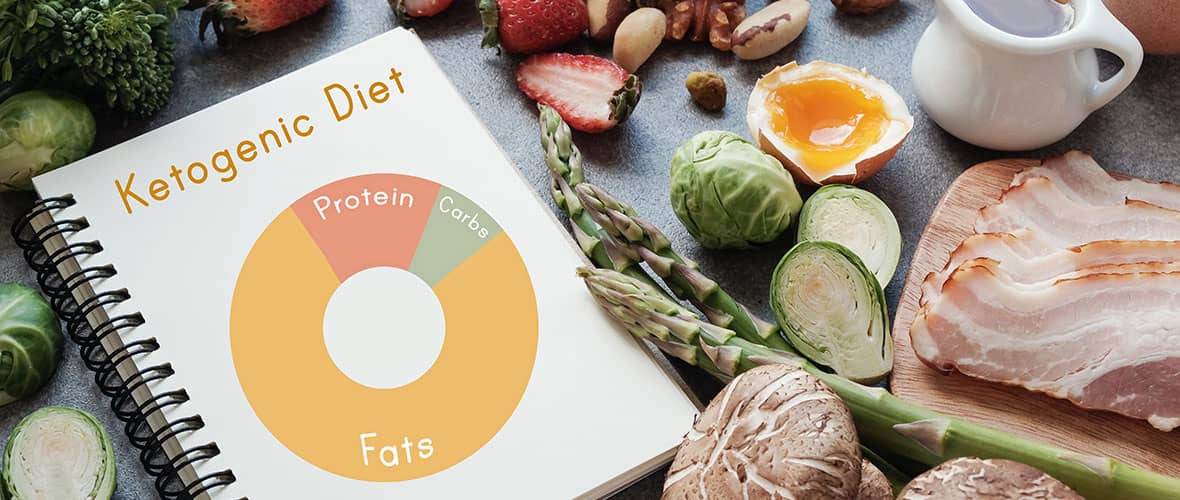
A well-designed ketogenic diet begins by keeping carbohydrates very low and eating adequate protein to preserve muscle mass. Fat is then adjusted to provide the remaining energy your body needs. In other words, fat fills the caloric gap created by removing carbohydrates from your diet, not the other way around.
Understanding this principle can make the difference between steady, sustainable weight loss and a frustrating plateau. While healthy fats are an essential part of the ketogenic diet, choosing the right types of fat—and the right amount—is just as important as limiting carbohydrates.
Why Fat Is So Important on a Ketogenic Diet
The Keto diet works because it changes the way your body produces energy. Instead of relying primarily on carbohydrates, your body begins using fat as its primary fuel source. As carbohydrate intake drops, glycogen stores become depleted over the course of several days, insulin levels decline, and your liver begins producing ketones from fat. This metabolic state, known as ketosis, allows your body to efficiently use fat for energy.
That’s why dietary fat plays such an important role in a ketogenic diet. It replaces many of the calories that previously came from carbohydrates, helps you feel satisfied between meals, and provides a steady source of energy throughout the day.
But it’s important to understand that there’s a difference between eating enough fat to maintain ketosis and eating so much fat that weight loss slows down.
If your goal is losing body fat, your body ultimately needs to use the fat you’ve already stored—not simply the fat on your plate. A ketogenic diet often makes this easier because healthy fats and adequate protein help reduce hunger naturally. This allows many people to eat fewer calories without constantly feeling hungry.
One of the biggest mistakes I see is people adding extra butter, heavy cream, oils, or high-fat snacks simply because they’re “keto-friendly.” While those foods certainly fit within a ketogenic diet, they still contribute calories. More fat isn’t automatically better, particularly if you’re already eating enough to stay satisfied.
Choosing the Best Fat Sources
Just as important as how much fat you eat is where that fat comes from.
I encourage patients to build their meals around whole, minimally processed foods that naturally contain healthy fats. These foods provide far more than just fat—they also supply protein, vitamins, minerals, antioxidants, and other nutrients that contribute to overall health.
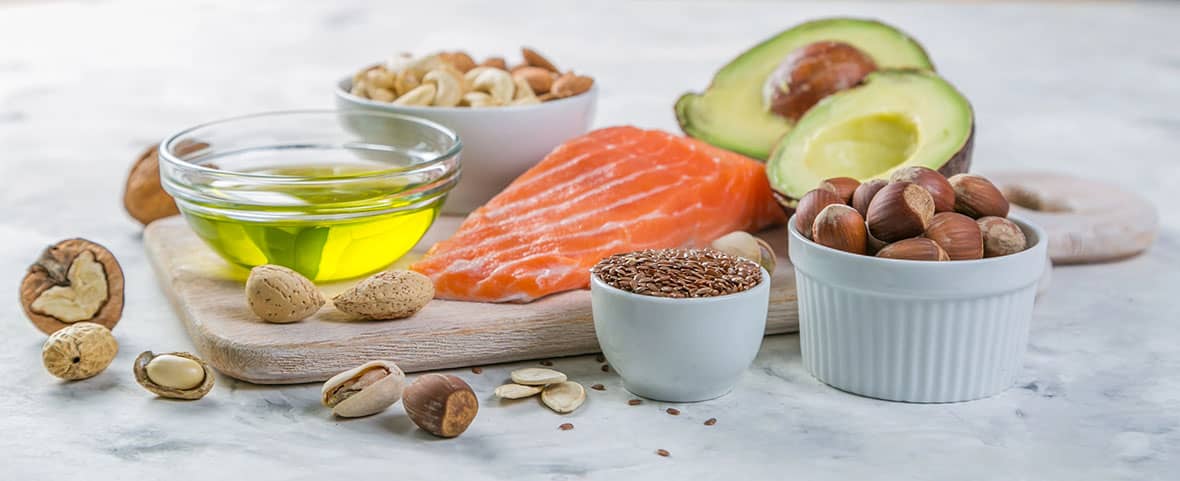
Some of the healthiest fat sources for a ketogenic diet include:
- Extra-virgin olive oil
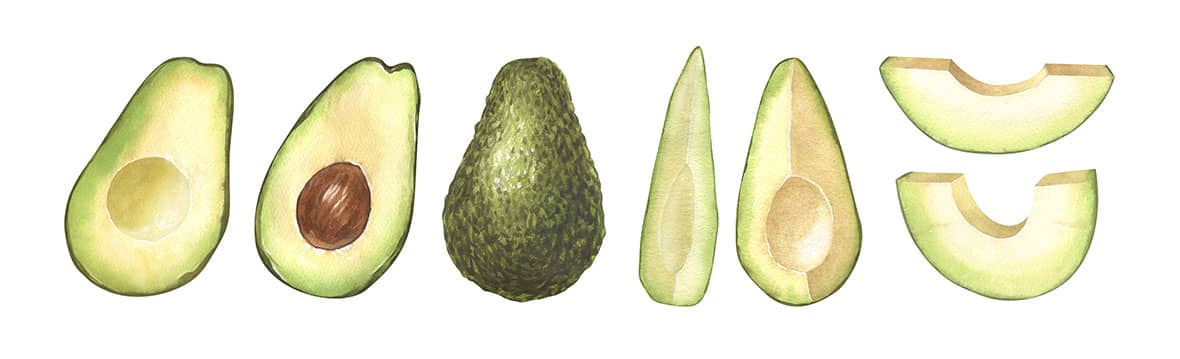
- Avocados
- Avocado oil
- Eggs
- Fatty fish such as salmon, sardines, and mackerel
- Olives
- Nuts and seeds
- Coconut and coconut oil
- Full-fat plain yogurt (when tolerated)
- Natural cheeses in moderation
- The natural fat found in beef, pork, poultry, and seafood
These foods fit naturally into a healthy ketogenic eating plan and provide much more nutritional value than highly processed “keto” products.
Foods That Are Easy to Overeat
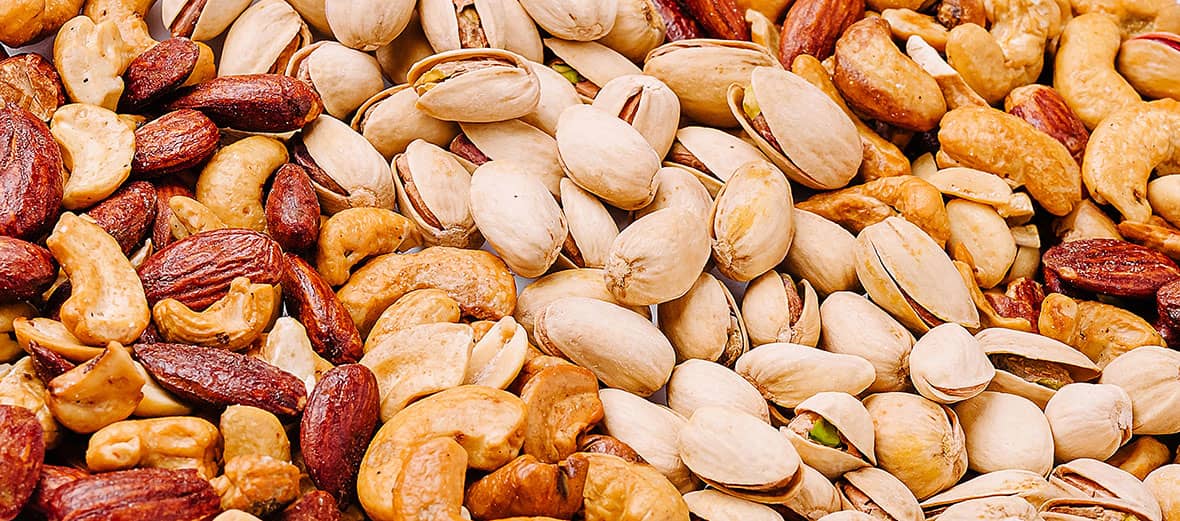
One lesson I’ve learned after helping many patients lose weight is that not every ketogenic food is equally easy to control. Foods such as nuts, peanut butter, cheese, and heavy cream are perfectly acceptable on a ketogenic diet, but they’re also calorie-dense and easy to overconsume without realizing it.
A handful of nuts can quickly become several handfuls. A spoonful of peanut butter often turns into three or four. Cheese cubes intended as a snack can gradually become an extra meal. There’s nothing inherently unhealthy about these foods. The problem is portion size. In fact, I often tell patients something very simple:
If you know you have trouble controlling portions of a particular food, it’s sometimes easier not to keep it in the house.
That’s not because the food is “bad.” It’s because successful weight loss depends on creating an environment that supports good decisions.
Fats to Limit or Enjoy in Moderation
Not every fat deserves equal space in your diet. While the ketogenic diet encourages healthy fat intake, I recommend emphasizing minimally processed foods rather than relying on highly processed convenience products.
Ultra-Processed “Keto” Foods
Many packaged foods marketed as “keto-friendly” are still highly processed. While they may be low in carbohydrates, they often contain refined ingredients, excess sodium, preservatives, or added calories that provide little nutritional value. Whenever possible, build your meals around whole foods instead of relying on bars, chips, cookies, or desserts simply because they’re labeled “keto.”
Deep-Fried Foods
Deep-fried foods may technically fit within the carbohydrate limits of a ketogenic diet, but they shouldn’t become dietary staples. Frying can increase calories substantially, and the nutritional quality depends heavily on the oil used and how often that oil is reused. Choosing grilled, roasted, baked, or sautéed foods is generally a healthier long-term strategy.
Trans Fats
Artificial trans fats should be avoided whenever possible. These fats have consistently been associated with adverse cardiovascular outcomes and offer no health advantage within a ketogenic diet—or any healthy eating pattern. Fortunately, trans fats have become much less common in the food supply, but they can still be found in some processed baked goods and packaged snack foods.
What About Saturated Fat?
No discussion of dietary fat would be complete without addressing saturated fat. This topic often generates more headlines than clarity. Some articles suggest saturated fat should be avoided entirely, while others claim unlimited amounts are perfectly healthy. The evidence is more nuanced than either of those extremes.
Current research suggests that overall dietary patterns are likely more important than focusing on any single nutrient in isolation. Instead of asking whether saturated fat is “good” or “bad,” it’s more useful to look at the quality of the overall diet. A ketogenic eating plan built around vegetables, seafood, olive oil, avocados, nuts, seeds, and other minimally processed foods is very different from one that relies heavily on processed meats and large amounts of added fats.
That doesn’t mean foods like butter, cheese, bacon, heavy cream, or fatty cuts of meat can’t be part of a ketogenic diet. They certainly can. The key is variety and moderation rather than relying heavily on any one source of fat.
In my practice, I encourage patients to obtain their dietary fat from a wide variety of foods rather than emphasizing any single fat source. This approach not only creates a more balanced diet but also makes the ketogenic lifestyle easier to sustain over the long term.
Should You Use Fat Bombs?
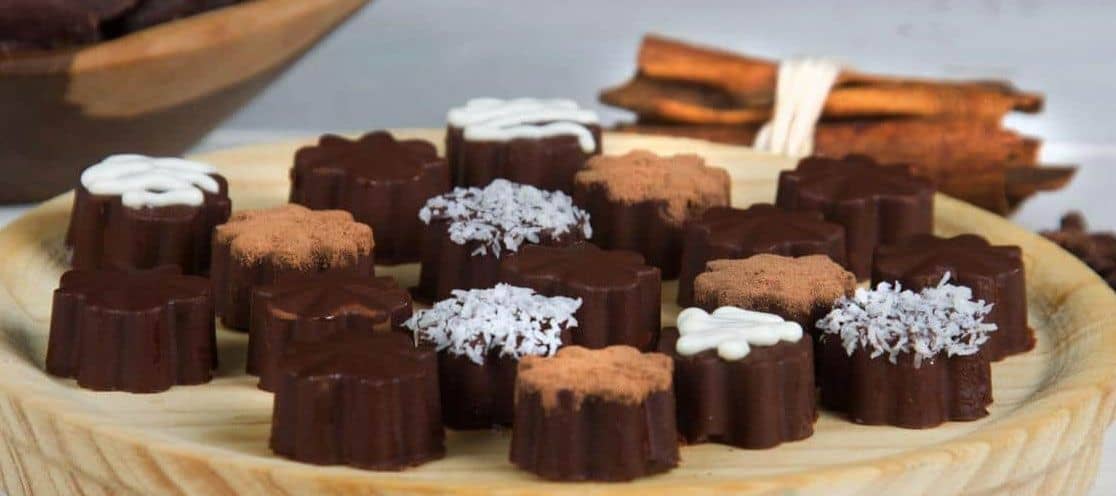
Several years ago, fat bombs became one of the most popular ketogenic foods. Fat bombs are small, high-fat snacks typically made with ingredients such as coconut oil, cream cheese, butter, nut butters, cocoa, or MCT oil. Because they’re very low in carbohydrates, they can help increase fat intake without interfering with ketosis.
For some people, fat bombs can be useful during the early stages of a ketogenic diet when they’re learning how to replace carbohydrates with healthier fat sources. They may also help satisfy hunger between meals or serve as an occasional snack. However, they aren’t a requirement for success. If you’re already comfortably maintaining ketosis and not feeling hungry, there’s usually no reason to add extra fat simply because a recipe is labeled “keto.”
Remember, the purpose of dietary fat is to support your nutritional goals—not to maximize calorie intake.
From Dr. Lipman’s Practice
One of the biggest mindset shifts I try to teach patients is that ketosis and weight loss are related—but they’re not exactly the same thing. Many people become so focused on increasing ketone levels that they forget the real objective is improving health and reducing excess body fat.
I encourage patients to eat enough healthy fat to stay satisfied, maintain ketosis, and enjoy their meals. Beyond that, there’s usually little benefit to continually adding more butter, oils, or high-fat snacks simply because they’re allowed on the diet.
The patients who achieve the best long-term success aren’t the ones eating the most fat, they’re the ones who consistently make good food choices, control portions, stay physically active, and build habits they can maintain for years rather than weeks.
Common Myths About Fat on Keto
Myth: The more fat you eat, the more weight you’ll lose.
Not necessarily. While dietary fat helps maintain ketosis and keeps you satisfied, eating excessive amounts can slow weight loss because your body will preferentially burn the fat you’re consuming before relying on stored body fat.
Myth: Every high-fat food is automatically healthy.
No. A ketogenic diet should emphasize nutrient-dense foods rather than simply foods that are high in fat. Choosing minimally processed sources of fat is generally a healthier long-term strategy than relying on processed “keto” snacks and convenience foods.
Myth: You should add butter or oil to every meal.
Only if you need it. Many people naturally become less hungry on a ketogenic diet. If you’re already satisfied after eating a balanced meal, there’s usually no reason to add extra fat simply to increase your fat percentage.
Myth: Fat is more important than protein.
Protein is equally important. A well-designed ketogenic diet includes adequate protein to help preserve muscle mass while limiting carbohydrates enough to maintain ketosis. Fat then provides the remaining energy your body needs.
References
- StatPearls – Ketogenic Diet
https://www.ncbi.nlm.nih.gov/books/NBK499830/ - Beyond Weight Loss: A Review of the Therapeutic Uses of Very-Low-Carbohydrate (Ketogenic) Diets
https://pmc.ncbi.nlm.nih.gov/articles/PMC7082414/ - American Heart Association – Dietary Fats
https://www.heart.org/en/healthy-living/healthy-eating/eat-smart/fats
Ready to Start the Keto Diet?
A ketogenic diet can be an effective tool for weight loss and improving metabolic health, but lasting success depends on more than simply eating more fat. Choosing the right foods, eating appropriate portions, and following a plan that’s tailored to your individual health needs can make all the difference.
Dr. Richard Lipman’s medically supervised Keto Diet Program provides personalized nutrition guidance, ongoing support, and evidence-based recommendations to help you lose weight safely, maintain ketosis, and build healthy habits that last. Whether you’re just getting started or looking to overcome a weight-loss plateau, an individualized approach can help you achieve better long-term results.